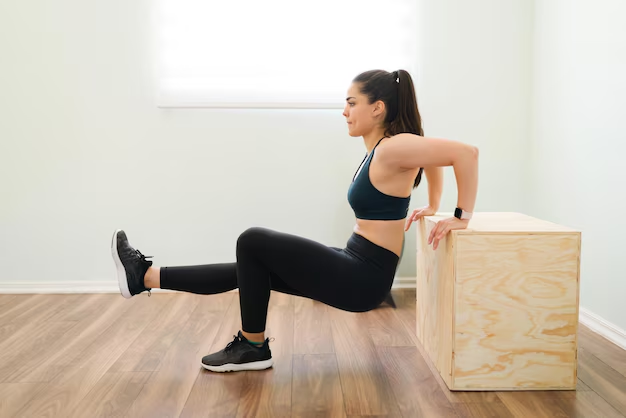
The Lunchtime Workout Secret You Need If You’re Short on Time

If you’re struggling to find time to workout, you don’t need to resort to getting up at 4:00am or spend all your evenings in the gym. The feeling of not having enough time to exercise is enough to discourage many of us before we even begin. So, while we’re still waiting for that time machine, we have two choices: continue as we are, struggling to fit in a workout, or make better use of the time we do have.

Lunchtime workouts are a surprisingly effective solution. Whether you can spare just 10 minutes or a full hour, you can fit in a workout consistently, five days a week, without sacrificing other important aspects of your life. Exercise offers a wealth of benefits that we don’t always associate with the workplace, but what if we could combine the two?

Even short bursts of activity can make a big difference. For example, a 2021 study published in Nature found that just 10 minutes of moderate-intensity running can improve executive functions such as memory, flexible thinking, and self-control. Short periods of exercise can also help manage blood sugar levels and reduce the risk of type 2 diabetes.

Working out at lunchtime can supercharge your afternoon, helping to reduce those 3:00pm energy dips and cravings, provide mental clarity after morning meetings, and boost productivity. Use the time to escape the office environment, or perhaps use it as an opportunity to connect with colleagues. Lunchtime workouts are convenient, flexible, and effective.

Preparation

Regardless of your work setup and lunch break length, there are a few ways to prepare for success:

  • Have a plan; know what you are doing ahead of time. Deciding in the moment can lead to procrastination. Try a lunchtime gym class to remove the pressure of having to plan your own exercises.
  • Block out your diary; don’t allow meetings to be scheduled.
  • Make it a scroll-free session. Scrolling while moving, or even between sets, can easily take over and reduce the intensity. Use this time to get away from screens.
  • Plan your lunch. Have something ready for after your workout.
  • Fuel up beforehand. Ensure you’re hydrated and have eaten a good breakfast or snack so you don’t give yourself an excuse to skip or hold back during your workout.
  • If you’re working from home (WFH), have your mat, outfit, and equipment ready.
  • If you sweat heavily, have a sweat towel or a change of clothes and a wash bag ready.

Picking the Right Workout

Of course, not all work setups are the same, and we’re not suggesting you work out instead of having lunch. But rather than feeling like you don’t have the time to work out, consider what you can do with the time available. Whether it’s a cardio or strength session, don’t skip the warm-up and aim for quality and consistency. Mirafit have a range of gym equipment and exercise guides, no matter your set up, equipment or starting point.

Workout Ideas for Different Scenarios

  • If you have no time to get changed: Keep the sweat at bay and go for a walk. You’ll benefit from the fresh air, increased oxygen, and blood flow, all of which will make you more alert and productive in the hours following. Pick a route, invite a colleague, or listen to a podcast.
  • If you have a small indoor space: Yoga will warm you up without needing to leave your mat. Work on your strength and manage your stress; with so many variations and progressions, you’ll never get bored. Stretching for just 10 minutes daily can also improve flexibility and reduce muscle soreness.
  • If you’re heading to the gym: Use the stepper to target your glutes, followed by squats, walking lunges, and Romanian deadlifts (RDLs) with light dumbbells or a resistance band.
  • If you get bored easily: Try an EMOM (Every Minute On the Minute) workout of:
    1. Speed rope skipping
    2. Wall balls
    3. Calories on the air bike

Pick your target numbers and set the timer, increasing the duration by one minute each week.

So, instead of beating ourselves up for repeatedly missing gym sessions, control the controllables, celebrate your wins, and let’s see our lunch breaks as an opportunity to move and feel good about using our time effectively.

References

https://pubmed.ncbi.nlm.nih.gov/34811374/#:~:text=To%20our%20knowledge%2C%20an%20acute,executive%20function%20coinciding%20with%20cortical

Strength Programs >>

More Articles >>

Top 3 Best Tricep Exercises | Science Based

When it comes to building strong, defined triceps, everyone seems to have their favourite tricep exercises. Personally, I’m a huge fan of movements that hit all parts of the muscle—triceps push-ups, dips, and triceps kickbacks are some of the best in my book. Each of these tricep exercises is backed by science and effective at engaging the muscle in different ways, helping you develop strength, size, and definition.

What Are the Triceps?

The triceps brachii, or simply “triceps,” is the large muscle located on the back of your upper arm. It plays a critical role in arm extension, helping you straighten your elbow and perform pushing movements. Understanding the anatomy of this muscle can help you pick and understand tricep exercises better. The triceps consist of three distinct parts:

Long Head

The long head originates from the scapula (shoulder blade) and spans across the shoulder and elbow joints. This part is responsible for arm extension and shoulder stabilization. It contributes to the bulk of the upper arm, particularly when viewed from the side.

Lateral Head

The lateral head is located on the outer side of the upper arm. It is highly active during heavy pressing movements and gives the triceps its characteristic “horseshoe” shape.

Medial Head

The medial head lies beneath the other two and is positioned closer to the inner arm. Though less visible, it plays a crucial role in overall arm stability and endurance during repetitive movements.

How to Target a Specific Part of the Triceps

Targeting specific parts of the triceps with exercises—the long head, lateral head, or medial head—comes down to arm and elbow positioning. Each variation emphasizes different portions of the muscle, allowing for focused development.

Arm Position

Exercises with the arms overhead, such as overhead triceps extensions, stretch and engage the long head more because of its connection to the scapula. This creates a greater range of motion for this portion of the muscle.

Elbow Positioning

Keeping the elbows close to the torso during movements like triceps pushdowns emphasizes the medial head. In contrast, flaring the elbows slightly outward during pressing exercises shifts more effort to the lateral head, which is highly activated during heavy, compound movements.

Top 3 Best Science-Based Triceps Exercises

When it comes to building strong, defined triceps, science can help guide your efforts. The American Council on Exercise (ACE) conducted a study to determine which triceps exercises are the most effective. Their research used electromyography (EMG) to measure muscle activation, revealing the top three exercises for targeting the triceps: triceps push-ups, dips, and triceps kickbacks. Here’s a detailed breakdown of these exercises, including how to perform them, the benefits, and which part of the triceps they work.

1. Triceps Push-Ups

Triceps Push-Ups Exercise

How to Perform:

  1. Start in a high plank position with your hands directly under your shoulders.
  2. Keep your body in a straight line from head to heels.
  3. Lower yourself toward the floor, keeping your elbows close to your body.
  4. Push back up to the starting position, maintaining core engagement throughout.

Benefits:

Triceps push-ups are a powerhouse for building strength because they rely solely on your body weight. This exercise also improves core stability and upper body strength while keeping the shoulder joint stable.

Muscle Focus:

By keeping your elbows tucked in, this triceps exercise primarily targets the medial and lateral heads of the triceps, ensuring balanced development.

2. Triceps Dips

Triceps Dips Exercise

How to Perform:

  1. Use parallel bars, a sturdy bench, or even the edge of a couch for support.
  2. Place your hands shoulder-width apart and extend your legs out in front of you.
  3. Lower your body by bending your elbows to about a 90-degree angle.
  4. Push back up, fully extending your arms without locking the elbows.

Benefits:

Tricep Dips are a compound movement that not only isolates the triceps but also engages your chest and shoulders. They are versatile, requiring minimal equipment, and are excellent for building overall upper body strength.

Muscle Focus:

Dips work the long head of the triceps more effectively than most other exercises due to the overhead position of the arms, which stretches this portion of the muscle.

3. Triceps Kickbacks

Triceps Kickbacks Exercise

How to Perform:

  1. Hold a dumbbell in one hand and bend forward at the hips, keeping your back flat.
  2. Bend your elbow to 90 degrees, with your upper arm close to your torso.
  3. Extend your arm straight back, squeezing the triceps at the top.
  4. Slowly return to the starting position and repeat.

Benefits:

Triceps kickbacks are a highly effective isolation exercise. They target the triceps directly, making them ideal for fine-tuning definition and symmetry. You can easily adjust the weight to match your fitness level, making it suitable for beginners and advanced lifters alike.

Muscle Focus:

Kickbacks emphasize the lateral head of the triceps, helping create the coveted “horseshoe” shape that signifies well-developed arms.

How to Structure your Triceps Workout

Structuring a triceps workout effectively ensures balanced development and maximizes muscle activation. Start with compound exercises, like dips or close-grip bench presses, as these recruit the most muscle fibers and allow you to lift heavier weights when your energy is highest. Afterward, move to isolation exercises, like triceps pushdowns or kickbacks, to target specific parts of the muscle with precision.

Common mistakes with tricep exercises include overloading on isolation movements early in the session, which can exhaust smaller muscle fibers and limit your performance in compound exercises. Another pitfall is neglecting rest and recovery between sets; triceps are smaller muscles and need proper rest to sustain effort.

For the best results, aim for a mix of overhead movements (for the long head), pressing motions (for the lateral head), and close-grip exercises (for the medial head). Rotating these variations ensures well-rounded development and reduces the risk of overuse injuries.

3 Reasons Why you Should Focus on your Triceps

Training your triceps is essential for several reasons, whether you’re a casual gym-goer or a serious lifter.

Firstly, the triceps make up a significant portion of your upper arm. By training with the triceps exercises we mentioned above, you’ll improve overall arm size and definition, creating a more balanced and aesthetically pleasing physique. Strong triceps are key to achieving that “toned” look that many aim for.

Secondly, developing strong triceps betters your pushing power. The triceps are involved in almost every pressing movement, from push-ups to bench presses. A well-trained tricep improves performance in these exercises, helping you lift more weight and making other upper-body exercises more effective.

Lastly, strong triceps contribute to functional strength. Whether you’re pushing a heavy door, lifting boxes, or performing sports-related movements, having strong triceps improves your everyday ability to perform pushing motions with ease and reduces the risk of injury.

FAQ

Which tricep exercise is most effective?

The most effective triceps exercise depends on your goals. However, dips and close-grip bench presses are often considered top choices due to their ability to target multiple heads of the triceps with heavy resistance.

How do you hit all three tricep heads?

To target all three heads of the triceps, incorporate a variety of movements. Overhead exercises like triceps extensions hit the long head, while close-grip presses and dips focus on the lateral and medial heads. A well-rounded routine ensures balanced development.

Are 3 exercises enough for triceps?

Yes, three exercises can be enough, especially if they vary in movement patterns. For example, combining a compound movement (like dips), an overhead exercise (like triceps extensions), and an isolation movement (like pushdowns) can target all areas effectively.

How can I tone my triceps fast?

To tone the muscle quickly, focus on progressive overload—gradually increasing the weight or reps of the tricep exercises we mentioned. Consistency, along with a balanced diet and overall fat loss, will reveal leaner, more defined triceps over time.

Strength Programs >>

More Articles >>

The Ultimate Guide to Buying Used Gym Equipment: Tips for Fitness Enthusiasts and Gym Owners

Building a gym—whether at home or in a commercial space—can be a costly venture, but buying used gym equipment offers a savvy alternative. Fitness enthusiasts and gym owners alike are discovering that pre-owned equipment can provide top-tier functionality at a fraction of the price. This guide dives into everything you need to know about making smart purchases, from evaluating the condition of equipment to ensuring safe setup. Let’s explore how you can save money, stay sustainable, and build a fully functional gym with used equipment.

Why Should You Consider Buying Used Gym Equipment?

Investing in used gym equipment from BUGE is a practical and financially sound decision for anyone looking to create or upgrade a fitness space. Here are the key advantages:

  • Affordability Compared to New Equipment: Used equipment can cost 30-70% less than its brand-new counterparts, allowing you to maximize your budget.
  • Access to Premium Brands at Lower Prices: High-quality brands like Precor, Life Fitness, and Hammer Strength become more accessible when purchased second-hand.
  • Environmentally Friendly Choice: Buying used equipment reduces waste, making it a more sustainable option for eco-conscious buyers.

Whether you’re starting small or expanding an established gym, used equipment offers an unbeatable balance of cost and quality.

What Are the Main Types of Gym Equipment to Look For?

Understanding the categories of gym equipment available is essential for making informed decisions. Here are the main types of equipment to consider:

  • Cardio Machines: Essential for endurance and cardiovascular health, these include treadmills, elliptical trainers, and rowing machines.
  • Strength Training Equipment: Ideal for building muscle, options include dumbbells, barbells, bumper plates, kettlebells, and resistance bands.
  • Functional Fitness Gear: Perfect for versatile workouts, these include medicine balls, plyometric boxes, and balance trainers.

Cardio Machines

Cardio machines are a staple of any gym setup. When buying used, prioritize models with minimal wear on moving parts and reliable electronic functionality. Test treadmills for belt smoothness, check for noise in elliptical trainers, and ensure rowing machines glide seamlessly.

Strength Training Equipment

Strength equipment often has a longer lifespan due to its robust design. Inspect for rust or corrosion on metal parts and verify that adjustable weights or resistance mechanisms function correctly.

Functional Fitness Gear

Functional fitness equipment is versatile and typically more affordable, even when new. Look for high-quality medicine balls and plyometric boxes that show minimal wear, ensuring their durability for explosive movements.

How to Evaluate Used Gym Equipment?

Ensuring the quality of used gym equipment is crucial to avoid future costs or risks. Follow these steps to assess the condition and functionality of pre-owned gear.

What Should You Inspect for Wear and Tear?

Before committing to a purchase, check for these signs of wear:

  • Moving Parts: Examine belts, cables, and pulleys for fraying or stiffness.
  • Rust or Corrosion: Look for rust on metal components, especially in humid climates.
  • Electronic Displays: Ensure all screens and digital features work as intended.

How to Test for Proper Functionality?

Whenever possible, perform an in-person test of the equipment:

  • Run treadmills or use elliptical machines for at least five minutes to identify any mechanical issues.
  • Adjust weight stacks on strength equipment to ensure smooth operation.
  • Test resistance bands and cables for elasticity and durability.

Where Can You Buy Used Gym Equipment?

Where To Buy Used Gym Equipment

Finding the right source for used gym equipment is as important as selecting the equipment itself. Here are the most common options, along with their pros and cons:

  • Online Marketplaces: Websites like eBay or Facebook Marketplace offer wide selections, but quality can vary.
  • Specialty Resellers: Businesses that specialize in refurbished or second-hand gym equipment often provide warranties and professional inspections.
  • Local Classified Ads: Platforms like Craigslist can yield hidden gems but require due diligence.
  • Gym Liquidation Sales: When gyms close or upgrade, they often sell equipment at discounted prices. These sales are an excellent opportunity for bulk purchases.

What Are the Most Common Mistakes When Buying Used Gym Equipment?

Avoiding these pitfalls will save you time, money, and frustration:

  • Failing to Test Equipment: Always test the functionality before buying to avoid hidden issues.
  • Ignoring Warranty or Service Options: Some resellers offer limited warranties—don’t skip this added protection.
  • Overlooking Space and Weight Considerations: Ensure the equipment fits your space and floor can handle the weight.

How to Set a Budget for Buying Used Gym Equipment?

Establishing a budget before diving into the buying process is crucial. A clear financial plan helps prioritize your needs and avoid overspending. Here’s how to allocate your funds wisely:

How to Determine Which Equipment is Essential?

Focus on the equipment that aligns with your fitness goals or the needs of your gym clients. Consider these tips:

  • Assess Your Fitness Needs: For home gyms, prioritize versatile equipment like adjustable dumbbells or multifunctional machines.
  • Cater to Client Demand: Commercial gym owners should invest in popular items like treadmills, benches, and cable machines.
  • Start Small: If your budget is tight, buy essential equipment first and expand later as funds allow.

How to Negotiate When Buying Used Gym Equipment?

Negotiation can help you secure better deals. Use these strategies to get the best price:

  • Do Your Research: Know the market value of the equipment to ensure you’re negotiating fairly.
  • Point Out Flaws: Politely highlight any visible wear and tear as leverage for a discount.
  • Bundle Purchases: If buying multiple items, request a bulk discount.

Negotiation is a skill—approach it with confidence and politeness to achieve your desired outcome.

How to Transport and Install Used Gym Equipment?

Transportation and installation are often overlooked but critical steps in the buying process. Proper planning ensures safe and efficient setup.

What Are the Safety Tips for Moving Heavy Equipment?

Moving gym equipment requires caution to prevent injuries or damage. Follow these safety practices:

  • Use Proper Lifting Techniques: Bend your knees and lift with your legs, not your back.
  • Enlist Help: Large items like treadmills or weight machines require at least two people to move.
  • Protect Floors and Walls: Use padding or sliders to avoid scratches and dents during transportation.

If the equipment is particularly bulky or heavy, consider hiring professionals for delivery and installation.

How to Maintain Used Gym Equipment?

How to Maintain Used Gym Equipment?

Regular maintenance is essential for extending the lifespan of your used gym equipment. Develop a consistent maintenance routine to keep everything in top condition.

Maintenance Tips to Extend Equipment Lifespan

  • Clean Regularly: Wipe down surfaces to remove sweat and dirt that can lead to corrosion.
  • Lubricate Moving Parts: Apply appropriate lubricants to belts, cables, and joints to reduce wear.
  • Check for Loose Parts: Inspect nuts, bolts, and screws, tightening them as needed.
  • Schedule Professional Servicing: For complex machines like treadmills, periodic servicing by professionals is recommended.

Should You Consider Refurbished Gym Equipment?

Refurbished equipment is another option to consider, often providing a middle ground between new and used. These items are typically repaired and tested to ensure functionality.

  • Pricing: Refurbished equipment is more expensive than used but significantly cheaper than new.
  • Warranty Options: Many refurbished items come with warranties, adding peace of mind.
  • Quality Differences: Refurbished equipment often has updated parts, making it a more reliable choice for high-traffic gyms.

What Are the Pros and Cons of Buying Used vs. New Gym Equipment?

Weighing the benefits and drawbacks of used and new equipment can help you decide which is best for your situation.

Pros of Buying Used Equipment

  • Cost-effective.
  • Environmentally friendly.
  • Access to premium brands.

Cons of Buying Used Equipment

  • Potential wear and tear.
  • Limited or no warranty.
  • Risk of hidden defects.

Pros of Buying New Equipment

  • Latest features and technology.
  • Full warranty coverage.
  • Customization options.

Cons of Buying New Equipment

  • High upfront costs.
  • Longer return on investment.

Are There Financing Options for Used Gym Equipment?

Yes, financing can help spread the cost of large purchases, making used gym equipment even more accessible. Explore these options:

  • Leasing Agreements: Some sellers offer lease-to-own options for high-ticket items.
  • Third-Party Financing: Look for financing plans from banks or online lenders.
  • Seller Financing: Certain resellers may provide in-house financing options.

Carefully review interest rates and terms to choose the best financing plan for your budget.

What Are the Best Practices for Setting Up a Home Gym with Used Equipment?

Creating a home gym with used equipment is an efficient way to maximize space and minimize costs. Follow these tips for a functional setup:

Essentials for a Home Gym Setup

  • Multi-functional Equipment: Invest in items like adjustable benches or compact cable machines.
  • Space-Saving Solutions: Use wall-mounted racks for weights and foldable cardio machines.
  • Safety Features: Install rubber flooring to reduce impact and protect your equipment.

Plan your layout in advance to ensure optimal use of space while maintaining safety.

What Are the Legal and Safety Considerations When Buying Used Gym Equipment?

Purchasing used gym equipment involves certain legal and safety responsibilities. Keep these considerations in mind:

  • Liability Issues: Ensure the equipment meets safety standards to protect users from injury.
  • Certifications: Check for certifications like CE or UL, indicating compliance with safety regulations.
  • Insurance: Update your insurance policy to cover liability associated with used equipment.

Being proactive about legal and safety concerns protects both you and your equipment users.

What Are Some Common Accessories to Look For?

In addition to core gym equipment, accessories enhance your setup’s versatility and functionality. Consider adding:

  • Floor Mats: Protect floors and provide a comfortable workout surface.
  • Storage Racks: Keep weights, bars, and smaller items organized.
  • Safety Accessories: Invest in collars for barbells and padded grips for comfort.

These small additions can significantly improve your gym’s usability and appeal.

Conclusion

Buying used gym equipment is an excellent way to create a cost-effective and high-quality fitness space. By carefully evaluating your options, setting a realistic budget, and maintaining your equipment, you can enjoy long-term value and functionality. Whether you’re a fitness enthusiast setting up a home gym or a gym owner expanding your inventory, thoughtful planning and research are key to making the most of your investment. Take the leap and start building your dream gym today!

Strength Programs >>

More Articles >>

Balancing Strength Training with Cardiovascular Workouts

Finding the right balance between strength training and cardiovascular workouts is key to achieving well-rounded fitness. Strength training builds muscle, increases metabolism, and supports overall health, while cardio improves heart health and enhances endurance. However, combining these two types of exercise in one routine can be challenging. Many people struggle with how much to focus on each type of workout, especially if they want to build muscle and maintain cardiovascular fitness. This article will help you understand how to balance strength and cardio effectively. We’ll cover the benefits of each, offer strategies for structuring a balanced weekly routine, and provide tips on choosing the right types of cardio. By understanding how to alternate intensity and timing, you can create a sustainable workout plan that improves your health, avoids burnout, and allows you to achieve your fitness goals.

Benefits of Strength Training with Cardiovascular Workouts

Strength training and cardiovascular workouts each offer unique benefits that contribute to overall fitness. Strength training increases muscle mass, enhances bone density, and boosts metabolism. A study published in the British Journal of Sports Medicine found that muscle-strengthening activities are associated with a 10–17% lower risk of all-cause mortality, cardiovascular disease, total cancer, diabetes, and lung cancer.  On the other hand, cardiovascular workouts, such as running or cycling, improve heart and lung function, enhance circulation, and support mental health. Regular cardio sessions effectively burn calories, increase endurance, and manage stress. Combining strength training with cardiovascular workouts can create a comprehensive fitness program supporting physical endurance and muscular strength, leading to a balanced and healthy lifestyle.

Cardio workouts improve heart and lung function and enhance circulation. Cardio workouts improve heart and lung function and enhance circulation.

Creating a Weekly Routine

A well-structured weekly routine is essential for combining strength and cardio effectively. To get the benefits of each without overdoing it, start with a split that includes strength three days a week and cardio two or three times. For example, a routine with strength workouts on Monday, Wednesday, and Friday and cardio on Tuesday and Saturday provides balance. On strength days, focus on different muscle groups to prevent fatigue; you could focus on the upper body one day, the lower body the next, and a full-body workout later in the week. On cardio days, the intensity and type of exercise vary to keep things interesting and manageable. Recovery is just as important as training, so be sure to schedule rest days. Rest allows your muscles to be repaired, helping you make gains without risking overuse injuries or fatigue.

Balancing strength training with cardiovascular workouts is much easier with a structured weekly routine. Balancing strength training with cardiovascular workouts is much easier with a structured weekly routine.

Timing Cardio and Strength Workouts

The timing of cardio and strength workouts can significantly impact your performance and recovery. Separating cardio and strength training on different days is generally recommended for optimal results. This approach allows you to give each workout your full focus and energy. However, if you need to combine both on the same day, consider doing your strength training first, followed by cardio. Strength training requires a lot of energy, especially when lifting heavy weights, so doing it first ensures you can give it your best effort. Cardio afterward can serve as a cool-down and won’t interfere as much with muscle recovery. When scheduling your workouts, pay attention to how your body responds. If you find yourself fatigued or sore, you might need to adjust the intensity or frequency of your sessions. Listening to your body’s feedback will help you find the ideal timing.

Choosing the Right Type of Cardio for Your Goals

Selecting the right type of cardio is key to complementing your strength workouts. Low-intensity steady-state (LISS) cardio, like walking or light jogging, builds endurance without overly taxing your muscles. It is a good choice for cardio days following strength training since it doesn’t interfere with muscle recovery. If you’re aiming for overall cardiovascular health without impacting your lifting performance, LISS can be the cardio workout that works best for you. On the other hand, high-intensity interval training (HIIT) involves short bursts of intense exercise with brief rest periods. HIIT sessions are perfect for boosting metabolism and saving time, though they can be more taxing on the body. They’re ideal on non-lifting days to prevent muscle fatigue. Matching your cardio choice to your goals will help you maximize the benefits of strength training and cardiovascular workouts. It will allow you to reach peak fitness without overdoing it.

Walking or light jogging is good for building endurance without overly taxing your muscles. Walking or light jogging is good for building endurance without overly taxing your muscles.

Adjusting Intensity and Volume for Optimal Balance

You must carefully control your workouts’ intensity and volume to create a balanced routine. Alternate between high and moderate-intensity days to keep your workouts effective but manageable. For instance, you might perform a high-intensity strength workout one day, followed by a moderate-intensity cardio session the next day. By varying the intensity, you allow your body to recover while staying active. Volume control is also important; overloading high-intensity workouts can quickly lead to burnout and injury. A good rule of thumb is to limit high-intensity workouts, like heavy lifting, to two or three times per week. Additionally, it’s important to incorporate a periodization plan. This means you focus on strength gains for a few weeks before switching to more cardio. It can keep your workouts engaging and effective. Pay attention to signs of overtraining, like prolonged soreness or trouble sleeping, to know when to dial back.

In Conclusion

Balancing strength training with cardiovascular workouts is a powerful approach that supports comprehensive fitness goals. With a well-rounded weekly routine that includes the right types, timing, and intensity of each workout, you can effectively build muscle, increase endurance, and improve cardiovascular health without risking overtraining or fatigue. This balance helps you achieve short-term fitness gains and sustainable, long-term progress. By paying attention to how your body responds, making adjustments as needed, and exploring different types of cardio and strength exercises, you can create a plan that fits seamlessly into your lifestyle. Embracing a balanced approach supports your physical health and boosts mental clarity, energy levels, and resilience. So, whether you’re new to fitness or aiming to elevate your current routine, a thoughtful mix of strength and cardio will keep you on track for years of rewarding, well-rounded health and fitness progress.

Strength Programs >>

More Articles >>

Building the Ultimate Home Gym: A Guide to Creating Your Perfect Workout Space

Creating a home gym is one of the best investments you can make for your fitness and overall health. Not only does it provide the convenience of working out on your own schedule, but it also eliminates the hassle of gym memberships and commuting. A home gym allows you to tailor your workout environment to fit your needs, style, and goals—whether you’re into strength training, cardio, or flexibility.

While the thought of building a home gym might seem overwhelming, it’s easier than you think. With some careful planning and strategic purchases, you can create an effective, motivating space that suits your budget and lifestyle. This guide will walk you through the key considerations for setting up the ultimate home gym, ensuring you have everything you need to succeed.

Why Invest in a Home Gym?

Working out at home offers numerous benefits beyond convenience. According to a study by the American College of Sports Medicine, the number of people engaging in home-based workouts has increased by over 40% in recent years. But this surge isn’t just about convenience—it’s about creating a personal space that motivates and inspires you.

A home gym allows for:

  • Flexibility: Work out on your own schedule, without worrying about gym hours or wait times for equipment.
  • Personalization: Tailor the space to your specific fitness needs, whether that’s weightlifting, yoga, or HIIT.
  • Cost-effectiveness: While there’s an initial investment, a home gym can save you money in the long run by eliminating membership fees and travel costs.

The ability to create a workout environment that is comfortable and motivating is one of the biggest advantages of having your own gym. Plus, you can add personal touches, such as neon name signs, to give the space character and make it feel like your own dedicated fitness zone.

Choosing the Right Space

Before purchasing any equipment, it’s essential to select the right space for your gym. This will depend on the available room in your home and the type of workouts you plan to do. Whether it’s a spare room, basement, garage, or even a corner of your living room, the space should be large enough to accommodate your equipment and allow for free movement.

When deciding on your gym space, keep the following considerations in mind:

  • Flooring: Choose durable, non-slip flooring that can handle heavy weights and high-impact exercises. Rubber flooring or foam tiles are great options for shock absorption.
  • Ventilation: Proper ventilation is crucial, especially if you plan to do intense workouts. Make sure there’s enough airflow to keep the room cool and fresh.
  • Lighting: Bright lighting is important for visibility and energy. If natural light is an option, take advantage of it to make the space feel open and inviting.

Essential Equipment for the Ultimate Home Gym

Once you’ve chosen the perfect space, it’s time to think about equipment. The key to building a versatile home gym is to invest in equipment that supports a wide range of exercises without taking up too much space. Here’s a list of essential pieces to get you started:

1. Adjustable Dumbbells

Dumbbells are one of the most versatile pieces of equipment you can have in a home gym. They allow you to target multiple muscle groups, making them ideal for strength training. Opt for adjustable dumbbells, which save space and offer a wide range of weight options in one set.

2. Barbell and Weight Plates

If you’re serious about strength training, a barbell and a set of weight plates are non-negotiable. Look for an Olympic barbell and bumper plates for durability. This setup will allow you to perform exercises like squats, deadlifts, and bench presses.

3. Resistance Bands

Resistance bands are a low-cost, space-saving addition to any home gym. They’re great for building strength, improving mobility, and adding variety to your workouts. Plus, they’re portable, making them ideal for travel workouts.

4. Adjustable Bench

An adjustable bench allows you to perform a variety of exercises at different angles, such as bench press, rows, and step-ups. It’s a versatile piece of equipment that complements both dumbbells and barbells.

5. Cardio Machine

Depending on your space and budget, adding a cardio machine like a treadmill, rowing machine, or stationary bike can boost your endurance and cardiovascular health. Choose a machine that fits your workout preferences and doesn’t overwhelm the room.

6. Pull-Up Bar

A pull-up bar is a simple but effective tool for upper body strength. Many options are available, from door-mounted bars to free-standing rigs.

7. Yoga Mat

Whether you’re doing bodyweight exercises, stretching, or practicing yoga, a high-quality mat will provide comfort and stability during your workout.

Personalizing Your Home Gym

Once you have the essential equipment in place, it’s time to personalize your gym. A well-designed space can motivate you to stick to your fitness routine and make your workouts more enjoyable. Here are some tips for making your home gym feel inspiring:

  1. Decorate with motivational posters: Surround yourself with quotes or images that inspire you to push harder and stay consistent.
  2. Install a large mirror: Not only does a mirror make the space look larger, but it also helps with form correction during exercises.
  3. Create storage solutions: Keep your space tidy by investing in storage racks for weights and other equipment. This prevents clutter and allows you to easily access what you need. For small accessories and delicate electronics, add a labeled, stackable custom soft case to protect timers, cameras, wraps, bands, and cable attachments—keeping everything organized and ready for grab‑and‑go sessions in your home gym.
  4. Add ambiance: Lighting can make a big difference. Consider installing bright, functional lights for workouts, but also add softer lighting, such as string lights, for a more relaxed atmosphere during cooldowns.
  5. Personalize with custom touches: For a unique touch, consider incorporating neon name signs that display your name or a motivational phrase. Not only does this add character, but it also makes your gym feel truly your own.

Making the Most of Small Spaces

You don’t need a huge space to create an effective home gym. Even in a small room, you can get a great workout if you’re strategic about equipment and layout. The key is to focus on multifunctional equipment that offers versatility without taking up too much room.

For example, adjustable dumbbells, a compact weight bench, and resistance bands are all space-efficient tools that offer a full-body workout. Consider using vertical storage racks to keep your weights organized, or choose foldable equipment that can be tucked away when not in use.

In smaller spaces, it’s also essential to keep the layout functional. Arrange your equipment in a way that allows for clear movement, and use the walls for mirrors or storage to maximize floor space.

The Cost of Building a Home Gym

While building a home gym requires an upfront investment, it can save you money in the long run compared to monthly gym memberships and travel expenses. The cost will vary depending on the equipment you choose, but it’s possible to build an effective gym on almost any budget.

A basic setup with essentials like adjustable dumbbells, resistance bands, and a pull-up bar can cost as little as $500. However, for a more comprehensive setup with a barbell, weight plates, and a cardio machine, expect to spend upwards of $1,500 to $3,000.

Regardless of your budget, focus on purchasing high-quality equipment that will last. Over time, your home gym will pay for itself through the convenience and savings it provides.

Conclusion: A Gym Tailored to You

Building the ultimate home gym is about more than just assembling equipment—it’s about creating a space that motivates and inspires you to reach your fitness goals. Whether you’re lifting weights, doing yoga, or just starting your fitness journey, a personalized home gym allows you to work out on your own terms.

By choosing versatile equipment, optimizing your space, and adding personal touches like neon name signs, you can transform any room in your home into a dynamic fitness haven. As long as you stay consistent, your home gym will serve as the foundation for a healthier, stronger you.

Strength Programs >>

More Articles >>