Tag: Home Gym

The Ultimate Guide to Buying Used Gym Equipment: Tips for Fitness Enthusiasts and Gym Owners

Building a gym—whether at home or in a commercial space—can be a costly venture, but buying used gym equipment offers a savvy alternative. Fitness enthusiasts and gym owners alike are discovering that pre-owned equipment can provide top-tier functionality at a fraction of the price. This guide dives into everything you need to know about making smart purchases, from evaluating the condition of equipment to ensuring safe setup. Let’s explore how you can save money, stay sustainable, and build a fully functional gym with used equipment.

Why Should You Consider Buying Used Gym Equipment?

Investing in used gym equipment from BUGE is a practical and financially sound decision for anyone looking to create or upgrade a fitness space. Here are the key advantages:

  • Affordability Compared to New Equipment: Used equipment can cost 30-70% less than its brand-new counterparts, allowing you to maximize your budget.
  • Access to Premium Brands at Lower Prices: High-quality brands like Precor, Life Fitness, and Hammer Strength become more accessible when purchased second-hand.
  • Environmentally Friendly Choice: Buying used equipment reduces waste, making it a more sustainable option for eco-conscious buyers.

Whether you’re starting small or expanding an established gym, used equipment offers an unbeatable balance of cost and quality.

What Are the Main Types of Gym Equipment to Look For?

Understanding the categories of gym equipment available is essential for making informed decisions. Here are the main types of equipment to consider:

  • Cardio Machines: Essential for endurance and cardiovascular health, these include treadmills, elliptical trainers, and rowing machines.
  • Strength Training Equipment: Ideal for building muscle, options include dumbbells, barbells, bumper plates, kettlebells, and resistance bands.
  • Functional Fitness Gear: Perfect for versatile workouts, these include medicine balls, plyometric boxes, and balance trainers.

Cardio Machines

Cardio machines are a staple of any gym setup. When buying used, prioritize models with minimal wear on moving parts and reliable electronic functionality. Test treadmills for belt smoothness, check for noise in elliptical trainers, and ensure rowing machines glide seamlessly.

Strength Training Equipment

Strength equipment often has a longer lifespan due to its robust design. Inspect for rust or corrosion on metal parts and verify that adjustable weights or resistance mechanisms function correctly.

Functional Fitness Gear

Functional fitness equipment is versatile and typically more affordable, even when new. Look for high-quality medicine balls and plyometric boxes that show minimal wear, ensuring their durability for explosive movements.

How to Evaluate Used Gym Equipment?

Ensuring the quality of used gym equipment is crucial to avoid future costs or risks. Follow these steps to assess the condition and functionality of pre-owned gear.

What Should You Inspect for Wear and Tear?

Before committing to a purchase, check for these signs of wear:

  • Moving Parts: Examine belts, cables, and pulleys for fraying or stiffness.
  • Rust or Corrosion: Look for rust on metal components, especially in humid climates.
  • Electronic Displays: Ensure all screens and digital features work as intended.

How to Test for Proper Functionality?

Whenever possible, perform an in-person test of the equipment:

  • Run treadmills or use elliptical machines for at least five minutes to identify any mechanical issues.
  • Adjust weight stacks on strength equipment to ensure smooth operation.
  • Test resistance bands and cables for elasticity and durability.

Where Can You Buy Used Gym Equipment?

Where To Buy Used Gym Equipment

Finding the right source for used gym equipment is as important as selecting the equipment itself. Here are the most common options, along with their pros and cons:

  • Online Marketplaces: Websites like eBay or Facebook Marketplace offer wide selections, but quality can vary.
  • Specialty Resellers: Businesses that specialize in refurbished or second-hand gym equipment often provide warranties and professional inspections.
  • Local Classified Ads: Platforms like Craigslist can yield hidden gems but require due diligence.
  • Gym Liquidation Sales: When gyms close or upgrade, they often sell equipment at discounted prices. These sales are an excellent opportunity for bulk purchases.

What Are the Most Common Mistakes When Buying Used Gym Equipment?

Avoiding these pitfalls will save you time, money, and frustration:

  • Failing to Test Equipment: Always test the functionality before buying to avoid hidden issues.
  • Ignoring Warranty or Service Options: Some resellers offer limited warranties—don’t skip this added protection.
  • Overlooking Space and Weight Considerations: Ensure the equipment fits your space and floor can handle the weight.

How to Set a Budget for Buying Used Gym Equipment?

Establishing a budget before diving into the buying process is crucial. A clear financial plan helps prioritize your needs and avoid overspending. Here’s how to allocate your funds wisely:

How to Determine Which Equipment is Essential?

Focus on the equipment that aligns with your fitness goals or the needs of your gym clients. Consider these tips:

  • Assess Your Fitness Needs: For home gyms, prioritize versatile equipment like adjustable dumbbells or multifunctional machines.
  • Cater to Client Demand: Commercial gym owners should invest in popular items like treadmills, benches, and cable machines.
  • Start Small: If your budget is tight, buy essential equipment first and expand later as funds allow.

How to Negotiate When Buying Used Gym Equipment?

Negotiation can help you secure better deals. Use these strategies to get the best price:

  • Do Your Research: Know the market value of the equipment to ensure you’re negotiating fairly.
  • Point Out Flaws: Politely highlight any visible wear and tear as leverage for a discount.
  • Bundle Purchases: If buying multiple items, request a bulk discount.

Negotiation is a skill—approach it with confidence and politeness to achieve your desired outcome.

How to Transport and Install Used Gym Equipment?

Transportation and installation are often overlooked but critical steps in the buying process. Proper planning ensures safe and efficient setup.

What Are the Safety Tips for Moving Heavy Equipment?

Moving gym equipment requires caution to prevent injuries or damage. Follow these safety practices:

  • Use Proper Lifting Techniques: Bend your knees and lift with your legs, not your back.
  • Enlist Help: Large items like treadmills or weight machines require at least two people to move.
  • Protect Floors and Walls: Use padding or sliders to avoid scratches and dents during transportation.

If the equipment is particularly bulky or heavy, consider hiring professionals for delivery and installation.

How to Maintain Used Gym Equipment?

How to Maintain Used Gym Equipment?

Regular maintenance is essential for extending the lifespan of your used gym equipment. Develop a consistent maintenance routine to keep everything in top condition.

Maintenance Tips to Extend Equipment Lifespan

  • Clean Regularly: Wipe down surfaces to remove sweat and dirt that can lead to corrosion.
  • Lubricate Moving Parts: Apply appropriate lubricants to belts, cables, and joints to reduce wear.
  • Check for Loose Parts: Inspect nuts, bolts, and screws, tightening them as needed.
  • Schedule Professional Servicing: For complex machines like treadmills, periodic servicing by professionals is recommended.

Should You Consider Refurbished Gym Equipment?

Refurbished equipment is another option to consider, often providing a middle ground between new and used. These items are typically repaired and tested to ensure functionality.

  • Pricing: Refurbished equipment is more expensive than used but significantly cheaper than new.
  • Warranty Options: Many refurbished items come with warranties, adding peace of mind.
  • Quality Differences: Refurbished equipment often has updated parts, making it a more reliable choice for high-traffic gyms.

What Are the Pros and Cons of Buying Used vs. New Gym Equipment?

Weighing the benefits and drawbacks of used and new equipment can help you decide which is best for your situation.

Pros of Buying Used Equipment

  • Cost-effective.
  • Environmentally friendly.
  • Access to premium brands.

Cons of Buying Used Equipment

  • Potential wear and tear.
  • Limited or no warranty.
  • Risk of hidden defects.

Pros of Buying New Equipment

  • Latest features and technology.
  • Full warranty coverage.
  • Customization options.

Cons of Buying New Equipment

  • High upfront costs.
  • Longer return on investment.

Are There Financing Options for Used Gym Equipment?

Yes, financing can help spread the cost of large purchases, making used gym equipment even more accessible. Explore these options:

  • Leasing Agreements: Some sellers offer lease-to-own options for high-ticket items.
  • Third-Party Financing: Look for financing plans from banks or online lenders.
  • Seller Financing: Certain resellers may provide in-house financing options.

Carefully review interest rates and terms to choose the best financing plan for your budget.

What Are the Best Practices for Setting Up a Home Gym with Used Equipment?

Creating a home gym with used equipment is an efficient way to maximize space and minimize costs. Follow these tips for a functional setup:

Essentials for a Home Gym Setup

  • Multi-functional Equipment: Invest in items like adjustable benches or compact cable machines.
  • Space-Saving Solutions: Use wall-mounted racks for weights and foldable cardio machines.
  • Safety Features: Install rubber flooring to reduce impact and protect your equipment.

Plan your layout in advance to ensure optimal use of space while maintaining safety.

What Are the Legal and Safety Considerations When Buying Used Gym Equipment?

Purchasing used gym equipment involves certain legal and safety responsibilities. Keep these considerations in mind:

  • Liability Issues: Ensure the equipment meets safety standards to protect users from injury.
  • Certifications: Check for certifications like CE or UL, indicating compliance with safety regulations.
  • Insurance: Update your insurance policy to cover liability associated with used equipment.

Being proactive about legal and safety concerns protects both you and your equipment users.

What Are Some Common Accessories to Look For?

In addition to core gym equipment, accessories enhance your setup’s versatility and functionality. Consider adding:

  • Floor Mats: Protect floors and provide a comfortable workout surface.
  • Storage Racks: Keep weights, bars, and smaller items organized.
  • Safety Accessories: Invest in collars for barbells and padded grips for comfort.

These small additions can significantly improve your gym’s usability and appeal.

Conclusion

Buying used gym equipment is an excellent way to create a cost-effective and high-quality fitness space. By carefully evaluating your options, setting a realistic budget, and maintaining your equipment, you can enjoy long-term value and functionality. Whether you’re a fitness enthusiast setting up a home gym or a gym owner expanding your inventory, thoughtful planning and research are key to making the most of your investment. Take the leap and start building your dream gym today!

Strength Programs >>

More Articles >>

Building the Ultimate Home Gym: A Guide to Creating Your Perfect Workout Space

Creating a home gym is one of the best investments you can make for your fitness and overall health. Not only does it provide the convenience of working out on your own schedule, but it also eliminates the hassle of gym memberships and commuting. A home gym allows you to tailor your workout environment to fit your needs, style, and goals—whether you’re into strength training, cardio, or flexibility.

While the thought of building a home gym might seem overwhelming, it’s easier than you think. With some careful planning and strategic purchases, you can create an effective, motivating space that suits your budget and lifestyle. This guide will walk you through the key considerations for setting up the ultimate home gym, ensuring you have everything you need to succeed.

Why Invest in a Home Gym?

Working out at home offers numerous benefits beyond convenience. According to a study by the American College of Sports Medicine, the number of people engaging in home-based workouts has increased by over 40% in recent years. But this surge isn’t just about convenience—it’s about creating a personal space that motivates and inspires you.

A home gym allows for:

  • Flexibility: Work out on your own schedule, without worrying about gym hours or wait times for equipment.
  • Personalization: Tailor the space to your specific fitness needs, whether that’s weightlifting, yoga, or HIIT.
  • Cost-effectiveness: While there’s an initial investment, a home gym can save you money in the long run by eliminating membership fees and travel costs.

The ability to create a workout environment that is comfortable and motivating is one of the biggest advantages of having your own gym. Plus, you can add personal touches, such as neon name signs, to give the space character and make it feel like your own dedicated fitness zone.

Choosing the Right Space

Before purchasing any equipment, it’s essential to select the right space for your gym. This will depend on the available room in your home and the type of workouts you plan to do. Whether it’s a spare room, basement, garage, or even a corner of your living room, the space should be large enough to accommodate your equipment and allow for free movement.

When deciding on your gym space, keep the following considerations in mind:

  • Flooring: Choose durable, non-slip flooring that can handle heavy weights and high-impact exercises. Rubber flooring or foam tiles are great options for shock absorption.
  • Ventilation: Proper ventilation is crucial, especially if you plan to do intense workouts. Make sure there’s enough airflow to keep the room cool and fresh.
  • Lighting: Bright lighting is important for visibility and energy. If natural light is an option, take advantage of it to make the space feel open and inviting.

Essential Equipment for the Ultimate Home Gym

Once you’ve chosen the perfect space, it’s time to think about equipment. The key to building a versatile home gym is to invest in equipment that supports a wide range of exercises without taking up too much space. Here’s a list of essential pieces to get you started:

1. Adjustable Dumbbells

Dumbbells are one of the most versatile pieces of equipment you can have in a home gym. They allow you to target multiple muscle groups, making them ideal for strength training. Opt for adjustable dumbbells, which save space and offer a wide range of weight options in one set.

2. Barbell and Weight Plates

If you’re serious about strength training, a barbell and a set of weight plates are non-negotiable. Look for an Olympic barbell and bumper plates for durability. This setup will allow you to perform exercises like squats, deadlifts, and bench presses.

3. Resistance Bands

Resistance bands are a low-cost, space-saving addition to any home gym. They’re great for building strength, improving mobility, and adding variety to your workouts. Plus, they’re portable, making them ideal for travel workouts.

4. Adjustable Bench

An adjustable bench allows you to perform a variety of exercises at different angles, such as bench press, rows, and step-ups. It’s a versatile piece of equipment that complements both dumbbells and barbells.

5. Cardio Machine

Depending on your space and budget, adding a cardio machine like a treadmill, rowing machine, or stationary bike can boost your endurance and cardiovascular health. Choose a machine that fits your workout preferences and doesn’t overwhelm the room.

6. Pull-Up Bar

A pull-up bar is a simple but effective tool for upper body strength. Many options are available, from door-mounted bars to free-standing rigs.

7. Yoga Mat

Whether you’re doing bodyweight exercises, stretching, or practicing yoga, a high-quality mat will provide comfort and stability during your workout.

Personalizing Your Home Gym

Once you have the essential equipment in place, it’s time to personalize your gym. A well-designed space can motivate you to stick to your fitness routine and make your workouts more enjoyable. Here are some tips for making your home gym feel inspiring:

  1. Decorate with motivational posters: Surround yourself with quotes or images that inspire you to push harder and stay consistent.
  2. Install a large mirror: Not only does a mirror make the space look larger, but it also helps with form correction during exercises.
  3. Create storage solutions: Keep your space tidy by investing in storage racks for weights and other equipment. This prevents clutter and allows you to easily access what you need. For small accessories and delicate electronics, add a labeled, stackable custom soft case to protect timers, cameras, wraps, bands, and cable attachments—keeping everything organized and ready for grab‑and‑go sessions in your home gym.
  4. Add ambiance: Lighting can make a big difference. Consider installing bright, functional lights for workouts, but also add softer lighting, such as string lights, for a more relaxed atmosphere during cooldowns.
  5. Personalize with custom touches: For a unique touch, consider incorporating neon name signs that display your name or a motivational phrase. Not only does this add character, but it also makes your gym feel truly your own.

Making the Most of Small Spaces

You don’t need a huge space to create an effective home gym. Even in a small room, you can get a great workout if you’re strategic about equipment and layout. The key is to focus on multifunctional equipment that offers versatility without taking up too much room.

For example, adjustable dumbbells, a compact weight bench, and resistance bands are all space-efficient tools that offer a full-body workout. Consider using vertical storage racks to keep your weights organized, or choose foldable equipment that can be tucked away when not in use.

In smaller spaces, it’s also essential to keep the layout functional. Arrange your equipment in a way that allows for clear movement, and use the walls for mirrors or storage to maximize floor space.

The Cost of Building a Home Gym

While building a home gym requires an upfront investment, it can save you money in the long run compared to monthly gym memberships and travel expenses. The cost will vary depending on the equipment you choose, but it’s possible to build an effective gym on almost any budget.

A basic setup with essentials like adjustable dumbbells, resistance bands, and a pull-up bar can cost as little as $500. However, for a more comprehensive setup with a barbell, weight plates, and a cardio machine, expect to spend upwards of $1,500 to $3,000.

Regardless of your budget, focus on purchasing high-quality equipment that will last. Over time, your home gym will pay for itself through the convenience and savings it provides.

Conclusion: A Gym Tailored to You

Building the ultimate home gym is about more than just assembling equipment—it’s about creating a space that motivates and inspires you to reach your fitness goals. Whether you’re lifting weights, doing yoga, or just starting your fitness journey, a personalized home gym allows you to work out on your own terms.

By choosing versatile equipment, optimizing your space, and adding personal touches like neon name signs, you can transform any room in your home into a dynamic fitness haven. As long as you stay consistent, your home gym will serve as the foundation for a healthier, stronger you.

Strength Programs >>

More Articles >>

Gym Bag Checklist

What To Pack In Your Gym Bag?

Wondering what should go into your gym bag? Are workout clothes sufficient, or is there more to remember? Shoes, anyone? As a personal trainer, I know that it can be hard to remember everything you need for a trip to the gym. You’ve got your snacks and water bottle — now what else do you throw into that bag of yours? To lend a hand, I put together a gym bag checklist that guarantees no vital items slip your mind.

Before you head to the gym, look at the following items. They’re all worth considering for your gym bag packing list.

Gym Bag Checklist: The Things You Need For The Gym

1) Gym Bag Essentials

Before you even start thinking about packing workout-specific gear, let’s cover the basics that you should always have in your gym bag:

Workout Clothes

It goes without saying that appropriate workout attire should be the first thing you should pack. Choose comfortable, moisture-wicking clothing that allows for ease of movement. If you’re looking to get sportswear that is visually appealing, trying out a brand like 28club.co.uk would be something that you could look into.

And don’t forget to include a change of clothes in your workout bag if you plan on freshening up after your workout.

Water Bottle

Hydration is vital for a successful workout. Fill up a reusable water bottle to stay hydrated, minimize waste, and keep your energy levels up throughout your session.

Towel

A towel is essential for wiping off sweat and other moisture, as well as for placing on workout benches or other equipment for hygiene. A quick-drying microfiber towel works best because it’s lightweight and easy to pack when traveling.

For post‑workout skin care especially on the face, add a compact, fragrance‑free clean towel for single‑use face drying—gentle on all skin types and ideal for staying hygienic after training.

Snacks

To fuel your body before or after your workout, keep a nutritious snack on hand. Think granola bars, protein shakes, coffee, or a piece of fruit.

2) Workout Gear

To optimize your workout routine, ensure you have the appropriate gear that suits your fitness regimen:

Shoes

Invest in proper athletic footwear that provides the necessary support for your chosen activities. Different sports or workouts may require specific shoe types.

For instance, you’ll need weightlifting shoes for weight lifting and treadmill running shoes for treadmills, so choose accordingly.

Smartwatch or Heart Rate Monitor

Your smartwatch can serve as a gym timer. And your heart rate monitor will help you avoid overexerting yourself, especially when using cardio machines.

Weightlifting Belt

Weightlifting belts are gym bag necessities for serious lifters. They provide crucial lumbar support and stability, allowing you to put your maximum effort into your lifts and reduce your risk of injury.

Lifting Straps

When it comes to intense weightlifting, you need all the support you can get. Lifting straps can be an essential asset to your workout gear, offering extra grip and stability during heavy lifts.

Knee Wraps or Sleeves

Knee wraps or compression sleeves are a must-have to protect your knees from injury and pain. When you are training hard, it’s easy for your body to take a beating. Knee wraps and sleeves can help reduce the impact of heavy squats or lunges without restricting movement.

Resistance Bands

Versatile and effective, resistance bands are fantastic tools for adding resistance to your body weight exercises. They are portable, easy to use, and offer endless possibilities, so they should have a spot inside your gym bag.

Chalk

Particularly beneficial for lifters, chalk improves grip by absorbing sweat and moisture. Chalk (liquid or powdered) can help you lift more comfortably and safely.

3) Gym Accessories

Enhance your gym experience with these practical accessories:

Headbands, Elastics, or Hats

Keep your hair out of your face with headbands or elastics. Hats also provide sun protection if you’re engaging in outdoor activities.

Headphones

Music is a great way to keep you energized and motivated during your workout. Invest in a pair of headphones or earphones that fit your ears well. And make sure they don’t fall out or get in the way of your movements.

Phone

Your phone is essential for listening to music, tracking workouts, and staying connected. Make sure it’s fully charged or bring a portable charger.

4) Hygiene Essentials

After your invigorating workout, I’m sure you’ll want to freshen up. Be sure to include these hygiene essentials:

Toiletries

Pack travel-sized toiletries, such as body wash, shampoo, and deodorant, to help you feel refreshed post-workout.

Comb

Keep your hair neat and tangle-free with a compact comb or brush. You also need these if you take a shower at the gym.

Cleansing Wipes or Sanitizers

Keep a pack of cleansing wipes or sanitizers to clean your hands after working out. It’s also a good idea to bring wet wipes if you need an extra refresher during the day.

Conclusion

It’s unrealistic to expect yourself to have the basics down pat every time. That would, frankly, be overwhelming for most people.

However, by being mindful of your needs – and by keeping this gym bag checklist handy – you can come close to ensuring you always have what you need to power through your workouts comfortably.

Personal preferences aside, you can’t go wrong by packing the items on this list.

 If you don’t want to take all this stuff to the gym, consider just building your own gym. Refer to 12 Half Garage Gym Ideas as a guide.

About The Author

Inge van Haselen is a personal trainer, health coach, and home gym owner. She has been coaching hundreds of clients for over 17 years in her gym. It’s her passion to help you have the best home gym for your needs, so you can be in the best shape of your life.

Strength Programs >>

More Articles >>

8 Machines And Equipment You Really Need in Your Home Gym

Building a home gym is an investment with huge returns for your fitness. It can be a quick setup in your garage, a corner of your bedroom, or a dedicated room in your home. Any way you make it, you’ll want to know what equipment to use to outfit your dream gym.

All the options on this list come in various configurations and price ranges. Your specific product choices vary depending on your budget, space, and fitness goals.

Here are the top eight machines and equipment you really need in your home gym.

1.) Training Bench

A training bench allows you to expand your possibilities in your home gym that goes beyond bench pressing.

You can get a complete workout from a floor mat, but a quality training bench improves your range of motion and offers you a better place to lie than the floor.

A few considerations when choosing a weight bench are weight capacity, height, adjustability, and pad width. Some heavy-duty training benches have weight capacities of over 1000 pounds. Unless you’re a competitive powerlifter, a quality bench with about 700 pounds capacity will serve your home gym well.

Think about how you’ll use the bench to determine whether a flat or adjustable one will serve your needs. A bench may come with attachments for leg maneuvers you’re interested in too.

Beyond horizontal presses, you can use a bench for step-ups, prop your feet or hands to angle your body, or lay face down for chest-supported rows.

2.) Barbell

The barbell holds the weight plates that you’ll be lifting. Without the barbell, your bench, weight rack, and weight plates are of no use.

Durability is a key factor when choosing the right barbell. A high-quality barbell can last decades or a lifetime as long as you don’t drop in with no plates on it.

A barbell with bearings allows the weights to spin separately from the bar. You can reposition your hands more easily during movements like the clean and jerk and snatch with a barbell with bearings. However, powerlifters tend to prefer a bar that doesn’t spin for deadlifts, squats, and bench presses.

3.) Weight Rack

Strength trainers, bodybuilders, and competitive lifters likely find the weight rack the centerpiece of their home gym. It’s an essential piece that holds the barbell in place and provides extra plate storage. The option to add cable pulleys, dipping bars, or other extras makes your weight rack a multi-use training session station.

Space is a vital consideration for many machines and equipment on this list. Planning for a weight rack is no different. Three possible configurations are a power rack, a squat stand, or a foldable rack.

A regular power rack should have a sturdy frame and attachments to expand its usefulness in your home gym. Usually, it has four upright posts that support band pegs and dip bars at various heights.

A squat stand looks like a trimmed-down version of a power rack. It has two upright posts with holes for adjusting the height of pegs and dip bars. Some models feature spotter’s arms. You’ll likely be able to bench press from the floor with a squat stand.

The most compact option is a folding rack. A wall-mounted rack that folds back against the wall when you’re not using it is perfect for a garage home gym. The drawback to this setup is limited additional features.

4.) Weight Plates

Now that you have a training bench and weight rack you want to invest in some quality weight plates. These are what you load onto the barbell to increase the weight you’ll be lifting. Some types work with loadable dumbbells and kettlebells too.

Two key factors that make a high-caliber set of weight plates are weight accuracy and durability. Accuracy means you can correctly track your progress, especially for competitive lifters. You want to know exactly what you’re capable of. They should be durable enough to last about a decade.

Traditional weight plates are made of iron or steel. They are less expensive and easier to store than bumper plates, which are coated in rubber or urethane.

A couple of reasons you may consider investing in bumper plates is because they are quieter and less likely to damage your floor if you drop them. The rubber coating keeps them from clacking together or scraping against surfaces. Iron plates are also prone to rust if they are exposed to humidity or moisture.

5.) Dumbbells

You’ll always use your barbell and weight plates with both hands. Dumbbells allow you to work one side of your body at a time as in dumbbell rows. The muscles in each arm work independently even if you are using one in each hand.

Buying separate pairs of dumbbells is the most expensive way to build your collection. You can get iron dumbbells or ones coated in rubber, like bumper plates. You’ll get a greater range of weights with individual pairs than with adjustable dumbbells too. You can also rest these dumbbells on the end of your thigh between reps. Adjustable ones have a locking mechanism preventing this.

Adjustable dumbbells usually have a bar on which you load small weight plates and a locking mechanism to keep them in place. Many are made of plastic, making them less durable than a set of rubber-coated dumbbells. You also use up time changing the weight plates.

Once again, space becomes a factor in your choice of dumbbells. If you want a broad range of weights you’ll need a storage rack and space to put it for individual fixed dumbbells. They come in 5 lb increments, so that can add up quickly. An adjustable set saves space.

It comes down to thinking about your space and what type of dumbbells will best serve your needs.

6.) Kettlebells

Kettlebells have the advantage of compact, versatile performance. You can combine weight training with effective cardio through kettlebell flows.

Kettlebells are a space saver in that you only need a few or just one to gain the benefits of a kettlebell workout. You can do some kettlebell swings when you’re short on time, too.

Using kettlebells has a positive impact on all areas of lifting. A proper kettlebell swing teaches and reinforces proper hip hinge mechanics that translate to good form with a barbell. You’ll get your heart pumping to add a cardio session too.

You improve your hip hinge mechanics during kettlebell swings because you squeeze your glutes at the top of each rep. According to research, your body receives instant feedback on whether or not you sufficiently activated your glutes. That makes kettlebell swings the perfect way to practice hinging technique under less loaded stress than when deadlifting.

7.) Resistance Bands

Resistance bands may seem redundant if you have a sweet weightlifting setup. But bands provide variety in your workout that contributes to your gains in unique ways.

For example, using a barbell for bicep curls means your muscle is relaxed at the top and bottom of each rep. The weight feels heaviest at the midpoint. An elastic resistance band challenges the muscle through the full range of motion.

Bands also provide accommodating resistance when lifted or looped around another implement. This means the resistance curve is reversed compared to what the muscle is used to. Uniquely working the muscle has positive effects on your gains.

You can use bands to increase the intensity of your bodyweight movements. Banded push-ups and squats to bump up your training.

One last recommendation for adding resistance bands to your home gym: they’re cheap. You can keep several lying around without dropping a lot of cash.

8.) Cardio Machine

Heart health is one of the most important aspects of taking care of your overall health. A solid cardio routine goes hand in hand with strength training and bodybuilding.

Donning your running shoes and pounding the pavement may not always be an option or a desirable scenario. Many people live in areas with long seasons of extreme heat or cold. This is a time when a home gym seriously contributes to your gains.

Space is the most valuable commodity for most of us setting up a home gym. Luckily, a cardio machine or equipment doesn’t have to hog precious square footage. Battle ropes, an exercise bike, or stair-step system (like a mini stepper motor) all give you a great aerobic workout without taking up the whole room.

If you have more space to commit to a cardio machine, there are excellent machines to help you meet your goals. A treadmill, elliptical, or rower are popular choices that most of us already know how to use.

So, What Do You Really Need in Your Home Gym? 

Your home gym can be your little corner of fitness paradise. Even if you build it slowly by investing in each piece over time, starting with this list will make a home gym where you’ll want to work out every day.

  • Training bench
  • Barbell
  • Weight Rack
  • Weight Plates
  • Dumbbells
  • Kettlebells
  • Resistance Bands
  • Cardio Machine

Strength Programs >>

More Articles >>

How to Choose the Right Bumper Plates for your Home Gym

Are you thinking about creating a new home gym or upgrading your existing equipment? Buying the right equipment is a fundamental task and investing in the right bumper plates is what you can’t ignore. Bumper plates are one of the most popular and effective weight equipment. These weight plates are available in almost all gyms.

But you might be confused about which bumper plates to choose for your home gym. Don’t worry; we are here to make it easy for you. The guide will help you choose the right type of bumper plate for your home gym. Let’s read further about the bumper plates to understand the basics first.

Shop Bumper Plates >>

Bumper plates are commonly found in all modern gyms. They are mainly used for Olympic barbells. Due to their popularity, they have many competitors. You won’t be able to choose the right one for you without knowing enough about these plates.

They are made up of dense rubber and come in pounds or kilos. The purpose is to offer you a similar weight lifting experience as other plates. But they tend to bounce back, saving your gym flooring from getting damaged.

Not only this, but the thick protective rubber layer prevents the bending of the barbell. No noise, no wear tear as a beginner, no damages to the floor nor the barbell; all these things make these bumper plates different from other plates.

Shop Bumper Plates >>


Olympic Snatch Exercise

Best Bumper Plates for your Home Gym

Because of the popularity and fame, there are so many competitors. The different types of bumper plates in the market can confuse us. But the best thing to do is to understand the basics and types of bumper plates.

It is vital to know for what purpose you are buying them. It can be powerlifting, weight lifting, strength training, etc. So, if you want to get the best ones for your home gym, spend some time on the information.

There are different types of plates to help you with your desired training. Here are the types of bumper plates:

  • Training plates
  • Competition plates
  • Technique plates
  • Change plates
  • Fractional plates

The material difference also plays a vital role. Unlike cast-iron plates, bumper plates purely consist of rubber and not with a coating only. It makes a huge difference between the bumper and other plates. The bumper plates can virgin rubber, recycled rubber, and urethane. All three are good, but you should look for the factors according to your requirements.

Shop Bumper Plates >>

Bumper Plate Stats

There are some factors you should look for when choosing the suitable bumper plates for your home gym:

Bending: When the rubber quality is not good, or the plate is not built correctly, you will notice plate bending. It should not happen. Only a good quality rubber build plate can save you from this problem.

Durability: Durability should be your top priority. If there is a crack on the inner steel ring, it will result in uneven load, so make sure you buy the high-quality bumper plates which don’t crack easily even after frequent drops.

Sliding: Good bumper plates should have a properly fitted steel ring for the bar sleeve to avoid too much movement while sliding when needed.

Bounce: Bouncing back is what makes bumper plates different from others. Check for the right bounce, as too much bounce can cause problems, too.

Shop Bumper Plates >>


Benefits of Using Bumper Plates

Buying a good bumper plate can make your training journey better and interesting. There are several benefits of using these bumper plates; some of them are:

Safer

Unlike other plates, bumper plates are pretty safe to use, especially for Olympic lifts. You can easily drop them from overhead without worrying about the ground or floor.

Silent

Steel plates produce a horrifying sound, whereas bumper plates are known to be silent. Because of the rubber usage in manufacturing, there is no noise even on frequent dropping.

Versatile

Bumper plates are great for various workouts. You can use them both ways, with or without barbells. They feel stable on the bar as well.

Long-lasting

Unlike other plates, bumper plates are less prone to damages. They don’t even damage the flooring. With fewer cracks and damages, you can use them for a long. They are pretty durable and reliable. You don’t have to worry while dropping them frequently because they will not harm you or your gym equipment.

Shop Bumper Plates >>


Exercises You Can Do with Bumper Plates

With or without barbells, bumper plates are great for a healthy workout. You can use them in any desirable way according to your training program. If you have set up a new home gym or upgraded, the appropriate bumper plates will be highly suitable for simple yet effective training. There are many exercises you can do with these plates, such as:

Snatch

How To Snatch

  • Lift off from the start position to just below your knees
  • Push your legs together to raise the bar towards your knees. Your legs will then straighten slightly.
  • Keep your chest and back in neutral positions.
  • The hips and shoulders both move up at the same moment, keeping the same angle.

Clean and Jerk

Olympic Power Snatch with Bumper Plates

  • Step up towards the bar until it is approximately in the middle of your feet.
  • Lean forward, and hold the bar with an overhand grip.
  • Take a deep breath and brace your core.
  • Smoothly and quickly lift the bar. Squat again to take the bar at the front of your shoulders. Remain straight on your legs.
  • To push the bar up, bend your knees slightly.
  •  Grab the bar by ducking under it, and then catch it straight up with your straight arms.
  • Begin by stepping back with your front foot, then move forward with the back foot. Continue this process until your feet are side-by-side.
  • Then, control the bar with straight arms high above your head, and you will be standing with your feet together again.
  •  Control the bar by lowering it.

Overhead Press

Overhead Military Press Exercise

  • Your feet should be shoulder-width apart. Keep your knees straight and your hips open. The barbell should be held in front-rack, with your elbows pointed forward and your hands shoulder-width apart. This is your starting position.
  • As you exhale, tighten your core and squeeze your shoulder blades together.
  • Press until your arms are fully extended. You should feel as if you are pushing your head through the window made by your arms.
  • Engage your back muscles, and then, while exhaling, return the barbell to its original position.
  • For more reps, you can repeat these steps or put the bar back on your power rack to finish this exercise.

How To Overhead Military Press >>

Squat Thruster

Front Squat Thruster Exercise with Bumper Plates

  • Stand straight up with your feet shoulder-width apart.
  • Place the barbell on your shoulders.
  • Your palms should face each other and your elbows slightly in front.
  • Stand while raising the bar overhead.
  • Perform the same movements with regular thrusters.

Deadlift

Deadlift with Bumper Plates

  • Move up to the bar until it is just above your middle foot.
  • Take a deep breath, exhale and then lean forward to grab the bar.
  • Keep your hands on the handle, relax, and raise the bar.
  • Keep the bar near your body and straighten your back until you stand straight.
  • With control, lower the bar to the ground.
  • Continue to take a deep breath and do the same for each rep.

How To Deadlift: The Complete Guide >>

Squat

Back Squat with Bumper Plates

  • The bar should be placed on your upper back. Take a deep breath and brace your core. Then, unrack the bar.
  • Two steps back, adjust your foot position.
  • Good technique will allow you to squat as deep and deeply as possible.
  • You can control your movements by stopping and reversing them. Then, extend your legs and hips again.
  • You can either exhale while going up or you can breathe at the top.
  • Repeat for as many reps as you can.

How To Squat: The Complete Guide >>

Bench Press

Bench Press with Bumper Plates

  • Place your back on the bench and pull your shoulders together. Keep your chest open.
  • Hold the bar slightly wider than your shoulder.
  • Then, take a deep breath and slowly unrack the bar.
  • Keep the bar at a comfortable level until it touches your chest just below your sternum.
  • Exhale and push the bar up.
  • Continue to hold the top position for another breath, and then repeat the cycle for as many reps as you can.

How To Bench Press: The Complete Guide >>

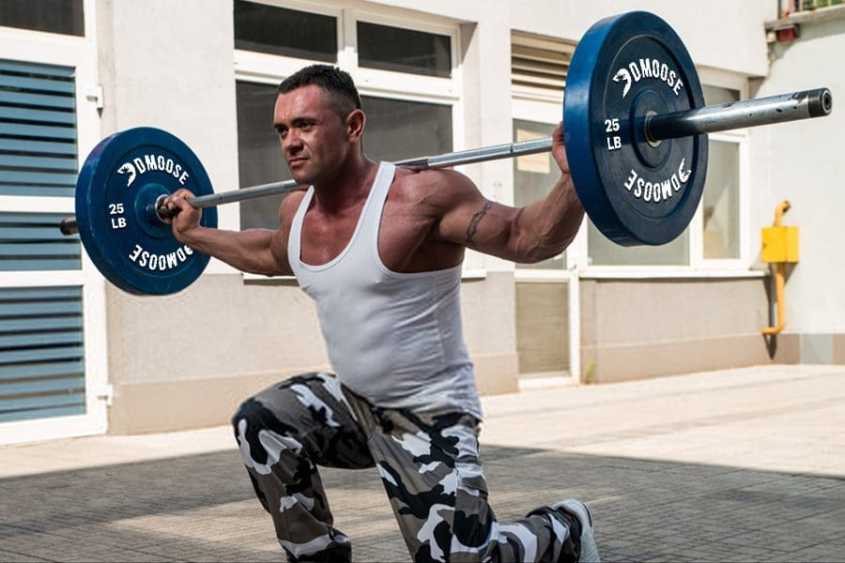
Overhead Lunge

Barbell Walking Lunges with Bumper Plates

  • Hold barbell overhead.
  • Lunge. In order of ascending difficulty, you can go backward, forward, or, heck, sideways–exerciser’s choice.
  • You have many options for changing it up. Holding one or two bumpers or kettlebells in each hand is an option. The single-arm version allows you to hold the object in one hand, which places more emphasis on your core.

You can even try some other workouts without barbells, like plate curl, pate push-ups, front shoulder raise, plate planks, and more. They can be unique for your training program bringing some change for increased motivation. But, everything depends on the correct selection of bumper plate so it can be comfortable a reliable for you and your training.

Shop Bumper Plates >>


Buying Tips and Traps to Avoid

Bumper plates are usually common for Olympic weightlifting. But buying them for your home gym is never a bad decision. They are good for many reasons and training types. But getting the right one matters the most, especially for newbies. Here are some tips to help you buy the best one for your home gym without getting into the trap:

Material

The popularity of these bumper plates is increasing day by day, due to which the manufacturers are doing different things to bring the cots down. Look for high-quality urethane bumper plates. They are odor-free, reliable, and flexible. Some manufacturers use low-quality rubber or urethane while adding cast iron core. So, check the purity of the material before buying.

Weight Accuracy

The stated weight should match the weight of the bumper plates. A slight difference is tolerable. But a weight variance of 3% or higher is not good.

Warranty

You should not buy a product for your gym without a warranty. Every good-quality bumper plate comes with a warranty. And that is what you deserve as a buyer.

Width & Diameter

The width and diameter of the plates should meet the IWF standards to avoid inconvenience. 450mm diameter and 50.4 mm collar opening is recommended for bumper plates, and they should be close to these values.

Color Coding Accuracy

Usually, black bumper plates are better to buy as a standard code, but you can look for various even colors. The only thing is that they should match the IWF standards.

Printed or Raised Letter

We usually see printed weight indications, but they fade away with time. So, if it’s possible, buy the ones with raised letters.

Steel Hub

Most of the trainers prefer steel hubs and not brass ones. Stainless steel with chrome or zinc plating is a fine option for reliable bumper plates.

Drop Test

Drop test is getting common; reputed manufacturers will have drop test data on the website. You should check for the maximum number of drops to get an idea.

DMOOSE brings you top-quality bumper plates to challenge your weight training, bodybuilding, strength training, Olympic lifting, and powerlifting routines. The most important thing about bumper plates is the quality construction. And here, you get the most durable and reliable bumper plates.

These long-lasting plates will stay silent while not bouncing back too much. The standard diameter matches the IWF standard so that you don’t face any inconvenience. Its 2-inch opening is suitable for the Olympic barbell.

Moreover, they are safe and stable to be used even in small spaces. Therefore, these exceptional bumper plates are what you need for your home gym. You don’t have to think twice while buying your home gym equipment from here.

Shop Bumper Plates >>


Conclusion

Choosing the right bumper plates for your home gym can be challenging. But you can make it easier by understanding the purpose. Once you know everything about bumper plates, you will be aware of the available options. It is vital to focus on the requirements to get the best one for your gym.

Don’t forget to keep the essential tips and factors in your mind before purchasing to meet the standards. Moreover, buying from reputed manufacture should be the only choice to avoid inconveniences. Bumper plates can be a great addition to your home gym; if chosen correctly. Throw some weight around your gym with the help of your favorite bumper plates and enjoy your training journey.

Strength Training Programs >>

More Articles >>