Tag: Strength Training

Top 3 Best Tricep Exercises | Science Based

When it comes to building strong, defined triceps, everyone seems to have their favourite tricep exercises. Personally, I’m a huge fan of movements that hit all parts of the muscle—triceps push-ups, dips, and triceps kickbacks are some of the best in my book. Each of these tricep exercises is backed by science and effective at engaging the muscle in different ways, helping you develop strength, size, and definition.

What Are the Triceps?

The triceps brachii, or simply “triceps,” is the large muscle located on the back of your upper arm. It plays a critical role in arm extension, helping you straighten your elbow and perform pushing movements. Understanding the anatomy of this muscle can help you pick and understand tricep exercises better. The triceps consist of three distinct parts:

Long Head

The long head originates from the scapula (shoulder blade) and spans across the shoulder and elbow joints. This part is responsible for arm extension and shoulder stabilization. It contributes to the bulk of the upper arm, particularly when viewed from the side.

Lateral Head

The lateral head is located on the outer side of the upper arm. It is highly active during heavy pressing movements and gives the triceps its characteristic “horseshoe” shape.

Medial Head

The medial head lies beneath the other two and is positioned closer to the inner arm. Though less visible, it plays a crucial role in overall arm stability and endurance during repetitive movements.

How to Target a Specific Part of the Triceps

Targeting specific parts of the triceps with exercises—the long head, lateral head, or medial head—comes down to arm and elbow positioning. Each variation emphasizes different portions of the muscle, allowing for focused development.

Arm Position

Exercises with the arms overhead, such as overhead triceps extensions, stretch and engage the long head more because of its connection to the scapula. This creates a greater range of motion for this portion of the muscle.

Elbow Positioning

Keeping the elbows close to the torso during movements like triceps pushdowns emphasizes the medial head. In contrast, flaring the elbows slightly outward during pressing exercises shifts more effort to the lateral head, which is highly activated during heavy, compound movements.

Top 3 Best Science-Based Triceps Exercises

When it comes to building strong, defined triceps, science can help guide your efforts. The American Council on Exercise (ACE) conducted a study to determine which triceps exercises are the most effective. Their research used electromyography (EMG) to measure muscle activation, revealing the top three exercises for targeting the triceps: triceps push-ups, dips, and triceps kickbacks. Here’s a detailed breakdown of these exercises, including how to perform them, the benefits, and which part of the triceps they work.

1. Triceps Push-Ups

Triceps Push-Ups Exercise

How to Perform:

  1. Start in a high plank position with your hands directly under your shoulders.
  2. Keep your body in a straight line from head to heels.
  3. Lower yourself toward the floor, keeping your elbows close to your body.
  4. Push back up to the starting position, maintaining core engagement throughout.

Benefits:

Triceps push-ups are a powerhouse for building strength because they rely solely on your body weight. This exercise also improves core stability and upper body strength while keeping the shoulder joint stable.

Muscle Focus:

By keeping your elbows tucked in, this triceps exercise primarily targets the medial and lateral heads of the triceps, ensuring balanced development.

2. Triceps Dips
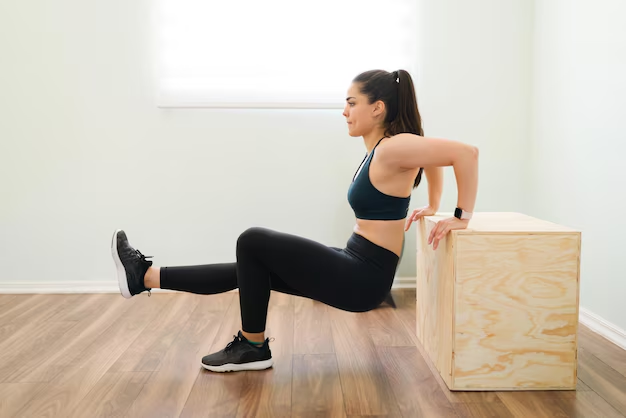
Triceps Dips Exercise

How to Perform:

  1. Use parallel bars, a sturdy bench, or even the edge of a couch for support.
  2. Place your hands shoulder-width apart and extend your legs out in front of you.
  3. Lower your body by bending your elbows to about a 90-degree angle.
  4. Push back up, fully extending your arms without locking the elbows.

Benefits:

Tricep Dips are a compound movement that not only isolates the triceps but also engages your chest and shoulders. They are versatile, requiring minimal equipment, and are excellent for building overall upper body strength.

Muscle Focus:

Dips work the long head of the triceps more effectively than most other exercises due to the overhead position of the arms, which stretches this portion of the muscle.

3. Triceps Kickbacks

Triceps Kickbacks Exercise

How to Perform:

  1. Hold a dumbbell in one hand and bend forward at the hips, keeping your back flat.
  2. Bend your elbow to 90 degrees, with your upper arm close to your torso.
  3. Extend your arm straight back, squeezing the triceps at the top.
  4. Slowly return to the starting position and repeat.

Benefits:

Triceps kickbacks are a highly effective isolation exercise. They target the triceps directly, making them ideal for fine-tuning definition and symmetry. You can easily adjust the weight to match your fitness level, making it suitable for beginners and advanced lifters alike.

Muscle Focus:

Kickbacks emphasize the lateral head of the triceps, helping create the coveted “horseshoe” shape that signifies well-developed arms.

How to Structure your Triceps Workout

Structuring a triceps workout effectively ensures balanced development and maximizes muscle activation. Start with compound exercises, like dips or close-grip bench presses, as these recruit the most muscle fibers and allow you to lift heavier weights when your energy is highest. Afterward, move to isolation exercises, like triceps pushdowns or kickbacks, to target specific parts of the muscle with precision.

Common mistakes with tricep exercises include overloading on isolation movements early in the session, which can exhaust smaller muscle fibers and limit your performance in compound exercises. Another pitfall is neglecting rest and recovery between sets; triceps are smaller muscles and need proper rest to sustain effort.

For the best results, aim for a mix of overhead movements (for the long head), pressing motions (for the lateral head), and close-grip exercises (for the medial head). Rotating these variations ensures well-rounded development and reduces the risk of overuse injuries.

3 Reasons Why you Should Focus on your Triceps

Training your triceps is essential for several reasons, whether you’re a casual gym-goer or a serious lifter.

Firstly, the triceps make up a significant portion of your upper arm. By training with the triceps exercises we mentioned above, you’ll improve overall arm size and definition, creating a more balanced and aesthetically pleasing physique. Strong triceps are key to achieving that “toned” look that many aim for.

Secondly, developing strong triceps betters your pushing power. The triceps are involved in almost every pressing movement, from push-ups to bench presses. A well-trained tricep improves performance in these exercises, helping you lift more weight and making other upper-body exercises more effective.

Lastly, strong triceps contribute to functional strength. Whether you’re pushing a heavy door, lifting boxes, or performing sports-related movements, having strong triceps improves your everyday ability to perform pushing motions with ease and reduces the risk of injury.

FAQ

Which tricep exercise is most effective?

The most effective triceps exercise depends on your goals. However, dips and close-grip bench presses are often considered top choices due to their ability to target multiple heads of the triceps with heavy resistance.

How do you hit all three tricep heads?

To target all three heads of the triceps, incorporate a variety of movements. Overhead exercises like triceps extensions hit the long head, while close-grip presses and dips focus on the lateral and medial heads. A well-rounded routine ensures balanced development.

Are 3 exercises enough for triceps?

Yes, three exercises can be enough, especially if they vary in movement patterns. For example, combining a compound movement (like dips), an overhead exercise (like triceps extensions), and an isolation movement (like pushdowns) can target all areas effectively.

How can I tone my triceps fast?

To tone the muscle quickly, focus on progressive overload—gradually increasing the weight or reps of the tricep exercises we mentioned. Consistency, along with a balanced diet and overall fat loss, will reveal leaner, more defined triceps over time.

Strength Programs >>

More Articles >>

Balancing Strength Training with Cardiovascular Workouts

Finding the right balance between strength training and cardiovascular workouts is key to achieving well-rounded fitness. Strength training builds muscle, increases metabolism, and supports overall health, while cardio improves heart health and enhances endurance. However, combining these two types of exercise in one routine can be challenging. Many people struggle with how much to focus on each type of workout, especially if they want to build muscle and maintain cardiovascular fitness. This article will help you understand how to balance strength and cardio effectively. We’ll cover the benefits of each, offer strategies for structuring a balanced weekly routine, and provide tips on choosing the right types of cardio. By understanding how to alternate intensity and timing, you can create a sustainable workout plan that improves your health, avoids burnout, and allows you to achieve your fitness goals.

Benefits of Strength Training with Cardiovascular Workouts

Strength training and cardiovascular workouts each offer unique benefits that contribute to overall fitness. Strength training increases muscle mass, enhances bone density, and boosts metabolism. A study published in the British Journal of Sports Medicine found that muscle-strengthening activities are associated with a 10–17% lower risk of all-cause mortality, cardiovascular disease, total cancer, diabetes, and lung cancer.  On the other hand, cardiovascular workouts, such as running or cycling, improve heart and lung function, enhance circulation, and support mental health. Regular cardio sessions effectively burn calories, increase endurance, and manage stress. Combining strength training with cardiovascular workouts can create a comprehensive fitness program supporting physical endurance and muscular strength, leading to a balanced and healthy lifestyle.

Cardio workouts improve heart and lung function and enhance circulation. Cardio workouts improve heart and lung function and enhance circulation.

Creating a Weekly Routine

A well-structured weekly routine is essential for combining strength and cardio effectively. To get the benefits of each without overdoing it, start with a split that includes strength three days a week and cardio two or three times. For example, a routine with strength workouts on Monday, Wednesday, and Friday and cardio on Tuesday and Saturday provides balance. On strength days, focus on different muscle groups to prevent fatigue; you could focus on the upper body one day, the lower body the next, and a full-body workout later in the week. On cardio days, the intensity and type of exercise vary to keep things interesting and manageable. Recovery is just as important as training, so be sure to schedule rest days. Rest allows your muscles to be repaired, helping you make gains without risking overuse injuries or fatigue.

Balancing strength training with cardiovascular workouts is much easier with a structured weekly routine. Balancing strength training with cardiovascular workouts is much easier with a structured weekly routine.

Timing Cardio and Strength Workouts

The timing of cardio and strength workouts can significantly impact your performance and recovery. Separating cardio and strength training on different days is generally recommended for optimal results. This approach allows you to give each workout your full focus and energy. However, if you need to combine both on the same day, consider doing your strength training first, followed by cardio. Strength training requires a lot of energy, especially when lifting heavy weights, so doing it first ensures you can give it your best effort. Cardio afterward can serve as a cool-down and won’t interfere as much with muscle recovery. When scheduling your workouts, pay attention to how your body responds. If you find yourself fatigued or sore, you might need to adjust the intensity or frequency of your sessions. Listening to your body’s feedback will help you find the ideal timing.

Choosing the Right Type of Cardio for Your Goals

Selecting the right type of cardio is key to complementing your strength workouts. Low-intensity steady-state (LISS) cardio, like walking or light jogging, builds endurance without overly taxing your muscles. It is a good choice for cardio days following strength training since it doesn’t interfere with muscle recovery. If you’re aiming for overall cardiovascular health without impacting your lifting performance, LISS can be the cardio workout that works best for you. On the other hand, high-intensity interval training (HIIT) involves short bursts of intense exercise with brief rest periods. HIIT sessions are perfect for boosting metabolism and saving time, though they can be more taxing on the body. They’re ideal on non-lifting days to prevent muscle fatigue. Matching your cardio choice to your goals will help you maximize the benefits of strength training and cardiovascular workouts. It will allow you to reach peak fitness without overdoing it.

Walking or light jogging is good for building endurance without overly taxing your muscles. Walking or light jogging is good for building endurance without overly taxing your muscles.

Adjusting Intensity and Volume for Optimal Balance

You must carefully control your workouts’ intensity and volume to create a balanced routine. Alternate between high and moderate-intensity days to keep your workouts effective but manageable. For instance, you might perform a high-intensity strength workout one day, followed by a moderate-intensity cardio session the next day. By varying the intensity, you allow your body to recover while staying active. Volume control is also important; overloading high-intensity workouts can quickly lead to burnout and injury. A good rule of thumb is to limit high-intensity workouts, like heavy lifting, to two or three times per week. Additionally, it’s important to incorporate a periodization plan. This means you focus on strength gains for a few weeks before switching to more cardio. It can keep your workouts engaging and effective. Pay attention to signs of overtraining, like prolonged soreness or trouble sleeping, to know when to dial back.

In Conclusion

Balancing strength training with cardiovascular workouts is a powerful approach that supports comprehensive fitness goals. With a well-rounded weekly routine that includes the right types, timing, and intensity of each workout, you can effectively build muscle, increase endurance, and improve cardiovascular health without risking overtraining or fatigue. This balance helps you achieve short-term fitness gains and sustainable, long-term progress. By paying attention to how your body responds, making adjustments as needed, and exploring different types of cardio and strength exercises, you can create a plan that fits seamlessly into your lifestyle. Embracing a balanced approach supports your physical health and boosts mental clarity, energy levels, and resilience. So, whether you’re new to fitness or aiming to elevate your current routine, a thoughtful mix of strength and cardio will keep you on track for years of rewarding, well-rounded health and fitness progress.

Strength Programs >>

More Articles >>

4 Tips for Young Athletes to Maximize Their Weight Training Program

One does not have to be an accomplished bodybuilder or even a professional athlete to derive the benefits of weight training. This form of exercise is primarily chosen to increase bone density, improve muscle strength, stabilize cardiovascular health, boost metabolism, and promote better sleep. 

Most professionals participate in resistance training up to five times a week. Those who have just started must take it slow and work their way up. In other words, weight training at least two to three times a week should be sufficient for new athletes. 

In the beginning, the idea of resistance training can seem a bit intimidating. No wonder a recent study found that 70% of Americans rarely lift weights. The key to enjoying all the aforementioned benefits of the training is to do it the proper way. 

In this article, we will discuss four useful tips for young athletes to get the most out of their weight training program. 

Check Your Technique and Use Proper Form

Given the adrenaline rush and enthusiasm of a new activity, many young athletes mimic their friends or others in the gym. It is indeed possible to acquire weight training skills by watching others in action. However, not everything that you see is correct. 

For instance: someone at the gym could be using improper lifting technique. Since habits die hard, it’s best to stay in the right lane from the first step itself. In other words, you can avoid painful sprains and injuries by working with a weight training specialist. 

The professional can also be a physical therapist or athletic trainer who has sufficient knowledge of correct lifting technique and form. Even if you have been weight training for some time now, consult with a specialist to double-check your technique. 

During the learning process, do your best to pick up each exercise correctly. This means you must move through the full range of motion while lifting weights. Keep in mind that good form will prevent you from getting hurt. When in doubt, just ask your personal trainer or fitness specialist.

Never Ignore Pain or Injuries

Despite your best efforts, some things are simply out of your control. There may be occasions when you hurt yourself during resistance training. Some common injuries associated with this practice include muscle sprains, ligament tears, mild joint pain, and soreness.

When done properly, a major benefit of weight training is that it strengthens muscles to reduce the risk of injuries. However, it is not uncommon for things to go wrong. Even if you experience minor pain (or anything out of the ordinary), do not ignore it. 

The immediate action is to stop doing the exercise. If needed, take a break for a day or two to understand your symptoms better. If the pain persists or you observe any visible injuries, seek medical support. A healthcare provider will examine you thoroughly and perhaps assign a nurse based on the interventions needed. 

Today, even family nurses with a post-master’s FNP are eligible to treat weight training injuries through specialist fitness courses. They will perform the necessary nursing interventions for fast and complete recovery.

Some of the common nursing interventions for weight training injuries include:

  • Medication and pharmacologic support
  • The implementation of RICE treatment – Rest, Ice, Compression, and Elevation
  • Teaching the patient a range of motion exercises for better joint movements
  • Physical therapy to encourage the healing process
  • Proper nutrition and hydration

According to Rockhurst University, qualified nurses are well-trained to apply evidence-based findings for personalized patient care. With proper medical support, you should be up and about within four weeks or less depending on the injuries. In any case, never ignore any abnormalities in your body during exercise.

Breathe, Relax, and Rest Well

It is natural to feel tempted to hold your breath while lifting weights. However, this is not ideal. Instead, you should practice breathing in before each repetition, bracing as you lower the weight and breathing out while lifting the load.

You must also get ample rest before each intense workout session. This is crucial for building muscle and strength. For instance, plan daily sessions for particular a muscle group. You can include all the major muscle groups in a single session twice or thrice a week.

Avoid working the same muscles multiple consecutive days. The gap training a muscle group will allow your body the time to recover from previous intense workouts.

Don’t Rush or Skip the Warmup

Never try to move the weight in haste or hurry. It’s important to do the same in a focused and controlled fashion by taking it slow. This will prevent you from relying on momentum and impart the strength needed for the muscles to lift. Between each exercise set, have at least one minute of rest.

Finally, the warmup is created for good reason. Cold muscles that haven’t been worked up are at a greater risk of injury than warm muscles. So, always participate in a 10-minute warmup session like aerobic stretching or brisk walking before lifting weights. 

Besides the tips mentioned in this article, always remember the golden rule; you must focus on the form, not the weight. As your resistance builds, gradually increase the weight to keep challenging your muscles. Lastly, stick to your weight training routine in a way that a full-body workout happens every week.

Strength Programs >>

More Articles >>

Empowering Your Recovery | Fitness Management After Cancer

Cancer, a formidable adversary to human health, confronts millions worldwide with its physical, emotional, and psychological challenges. However, in the journey of diagnosis, treatment, and recovery from cancer, fitness management serves as a beacon of hope. Physical activity’s profound impact on cancer recovery is now recognized as integral to holistic healing, not merely supplementary. It plays a pivotal role in shaping the trajectory of recovery.

In this article, we explore post-cancer fitness, revealing its transformative power in empowering individuals to regain health, vitality, and agency.

Benefits of Exercise After Cancer

According to Cancer.Net, as of 2022, approximately 18 million individuals were living with a history of cancer in the United States. Remarkably, about 67% of cancer survivors have surpassed the five-year mark post-diagnosis, with 18% surviving for two decades or more. Also, a significant portion, accounting for 64%, of survivors are aged 65 or older.

Regular exercise post-cancer treatment yields numerous physical, emotional, and psychological advantages. It mitigates the adverse effects of treatments like chemotherapy and radiation, which commonly induce fatigue, muscle weakness, and diminished endurance. Through consistent physical activity, individuals combat these challenges, enhancing their overall well-being and quality of life.

Exercise not only reduces the risk of cancer recurrence and enhances survival rates in specific cancer types but also bolsters mental well-being. Also, it alleviates anxiety, depression, and stress post-cancer, fostering a positive outlook and enhancing overall resilience and quality of life. It serves as a crucial component of holistic recovery, promoting well-being beyond physical health.

Exercise Guidelines for Cancer Survivors

Navigating the world of exercise post-cancer requires a nuanced approach tailored to individual needs and circumstances. While the benefits of physical activity are well-established, survivors need to adhere to specific guidelines to ensure safe and effective participation. A study by the National Institute of Health highlights the American College of Sports Medicine’s recommendation for cancer patients. They suggest 150 minutes of moderate-intensity aerobic activity weekly.

Also, survivors should prioritize activities that enhance flexibility, balance, and coordination to mitigate the risk of falls and injuries. It’s crucial to start slowly, gradually increasing the intensity and duration of exercise under the guidance of healthcare professionals or certified fitness trainers. By adhering to these guidelines, cancer survivors can harness the transformative power of physical activity to optimize their recovery and overall well-being.

Tailoring Exercise Routines to Individual Needs

Tailoring exercise routines to individual needs and abilities is crucial, acknowledging the diverse experiences and challenges encountered by cancer survivors. Cancer type, treatments, physical constraints, and preferences are vital considerations in crafting personalized fitness regimens. Consulting oncologists, physical therapists, and certified exercise specialists offer valuable guidance for crafting a safe exercise regimen.

MDPI’s study reveals that personalized exercise plans enhance motor competence. Understanding the purpose behind each task fulfills the need for autonomy. It can lead to significant improvements in physical function, fatigue, and quality of life among cancer survivors.

Flexibility and adaptability are crucial when customizing exercise routines for cancer survivors. This ensures the accommodation of energy levels, treatment side effects, and recovery progress. Prioritizing individualized approaches optimizes the benefits of physical activity while reducing the risk of injury or overexertion.

Incorporating Home Care Nurse Check-ups

In the domain of post-cancer recovery, incorporating regular home care nurse check-ups can provide invaluable support and guidance to survivors. These check-ups offer a holistic approach to monitoring physical and emotional well-being, addressing concerns, and adjusting treatment plans as needed. Home care nurses, with specialized training, assess vital signs, ensure medication adherence, and offer wound care or symptom management at home.

Also, in today’s digital age, accessing healthcare resources has become more convenient than ever. For those considering a career in nursing to provide this crucial support, online accelerated nursing programs offer a flexible and accessible pathway. The ABSN programs online allow aspiring nurses to study remotely, catering to varied schedules and preparing them for diverse healthcare roles. They equip students to provide high-quality care, including home care for cancer survivors.

According to the Saint Joseph’s College of Maine, their course provides an introduction to nursing and modern healthcare. It covers essential aspects such as patient-centered care, teamwork, evidence-based practice, quality improvement, safety, and informatics. Students gain insights into nursing as a profession and develop competencies crucial for their future careers.

Integrating home care nurse check-ups enhances post-cancer recovery support for survivors. This comprehensive approach fosters empowerment and well-being by addressing individual needs.

Sample Fitness Routines for Cancer Survivors

Here are some sample exercise routines to get you started, but remember, these are just a starting point. It’s important to tailor your program to your specific needs and consult with your doctor before beginning any new exercise routine.

Beginner

The beginner routine emphasizes low-impact cardio and light strength training for cancer survivors. The routine comprises brisk walking with arm swings on Monday, Wednesday, and Friday, complemented by gentle yoga or tai chi on Tuesday and Thursday. Weekends are designated for rest or light activities such as gardening.

Intermediate

The intermediate routine emphasizes moderate-intensity cardio and strength training for cancer survivors. This includes brisk walking or swimming for 45 minutes on Monday, Wednesday, and Friday. On Tuesday and Thursday, focus on strength training exercises targeting major muscle groups using body weight or light weights. Weekends offer opportunities for light activities such as hiking or biking.

Advanced

The advanced routine emphasizes high-intensity cardio and strength training for cancer survivors. It includes 30 minutes of HIIT or jogging on Monday, Wednesday, and Friday and strength training with moderate weights on Tuesday and Thursday. Weekends feature more strenuous activities such as tennis or dancing to further challenge and engage the body.

Frequently Asked Question

How soon after cancer treatment can I start exercising?

The best time to start exercising after cancer treatment depends on your situation and the type of treatment you receive. However, resume regular daily activities promptly following diagnosis and treatment. It’s always best to consult with your doctor before starting any new exercise program.

Are there any specific exercises I should avoid as a cancer survivor?

There isn’t a one-size-fits-all answer on exercises to avoid. It depends on your specific cancer treatment and any lingering side effects. For example, those experiencing bone loss from treatment should inquire about avoiding exercises that stress the neck and increase fall risk. Consulting a doctor or physical therapist is best to create a safe exercise plan.

Is it necessary to consult with a healthcare provider before starting an exercise routine?

While exercise is generally recommended, consulting a healthcare provider before starting a new routine is advisable, especially after a cancer diagnosis. They can assess your individual needs and limitations to ensure a safe and effective program that complements your recovery journey.

Empowering Your Journey to Wellness

Recovery after cancer necessitates resilience, determination, and a multifaceted approach to healing. Integrating fitness management into post-cancer care empowers survivors to regain control over their health and well-being. Physical activity becomes a transformative tool in navigating the path to wellness.

As we wrap up our discussion on post-cancer fitness management, it’s crucial to recognize that recovery is an ongoing journey. By embracing movement, resilience, and self-care principles, survivors can find renewed vitality and hope. Let’s support each other in embracing life after cancer with courage, optimism, and determination.

Strength Training Programs >>

More Articles >>

How to Improve Your Home Workouts with 1 Easy Step

With the time and resources it takes to go to a gym, more and more people are understandably turning to home workout routines to reach their fitness goals. However, it can be challenging to see progress with home workouts—especially for those with limited knowledge of workout routines.

Fortunately, there’s one easy way to vastly improve your home workout routine and see progress in a shorter amount of time: online personal training.

If you’re considering online personal training but are still weighing out its value to your home workout routines, then this article is for you. Keep reading to find out everything you need to know about online personal training. 

Inside this guide:

  • What Is Online Personal Training?
  • The Benefits of Online Personal Training
  • How to Get Started with an Online Personal Trainer

What Is Online Personal Training?

Contrary to popular belief, online personal training is not a workout routine conducted over Zoom or Skype. Instead, an online personal trainer utilizes a personal trainer software to deliver a personalized training plan catered to your fitness goals. 

These training programs often include workout plans, video demonstrations, and nutrition guides, to name a few. Most likely you will follow the plan remotely at your own schedule. But you can still opt to have one-on-one consultations with your personal trainer both offline and online depending on your preferences. Usually, in-person consultations are reserved for discussing forms, addressing obstacles, or reviewing progress. 

As mentioned before, online personal trainers use software to deliver the training plan. Most online personal trainer software tools also have built-in community and progress features that allow your online personal trainer to keep tabs on your progress and optimize your workout plans further. 

In other words, online personal training is just like having a direct personal trainer at the gym—except you get to enjoy the benefits from the comfort of your home!

The Benefits of Online Personal Training

Here are some of the key benefits of having an online personal trainer:

  • Convenient and Flexible: Unlike going to a gym, an online personal trainer gives you the freedom to work out whenever and wherever you want. This is highly beneficial to those with busy schedules that can’t accommodate usual gym business hours.  
  • Specifically Curated: An online personal trainer will set up initial consultations to discuss your fitness background, workout preferences, medical history, and fitness goals to ensure that your workout plan can yield the best results. 
  • Affordable: Compared to traditional personal trainers, online personal training is significantly more affordable. You can expect to spend anywhere between $25 and $150, depending on the workout plan you and your trainer agree on.
  • Highly Accessible: Online personal software tools are at your reach 24/7. Even if you’re on the go, you can still access your workout plan or personal trainer through mobile apps on Apple or Android. 

With these benefits in mind, it’s easier to stay on track with your workout routine and see concrete progress on a regular basis. 

How to Get Started with an Online Personal Trainer

Considering the convenience that comes with online personal training, it only makes sense that getting started is a quick and easy process, too. So If you’re set on improving your home workouts and achieving your fitness goals with an online personal trainer, these are the essentials:

  1. The 1st step is obviously to find a good online personal trainer. We recommend that you start local. If there’s a great trainer near you, ask if they have (or are willing to offer) an online personal training option. Many trainers will happily take the opportunity for a new client in this model. If you have specialized needs or have a preferred trainer that is not local then go for a remote personal trainer.
  2. During consultations with online personal trainers, make sure to be as detailed as possible when it comes to your medical history, fitness experience, and workout goals. Also, don’t be afraid to ask questions to help you understand how your fitness program can yield the results that you want.
  3.  Make sure to always follow through with your workouts and hold yourself accountable. Although it can sometimes be challenging to work out without the physical presence of your personal trainer, consistency is the key to seeing great progress. 

Taking these steps to heart is a surefire way to greatly improve your home workouts and see substantial progress in your home workout routine. Get started with your online personal training journey now!

Strength Programs >>

More Articles >>