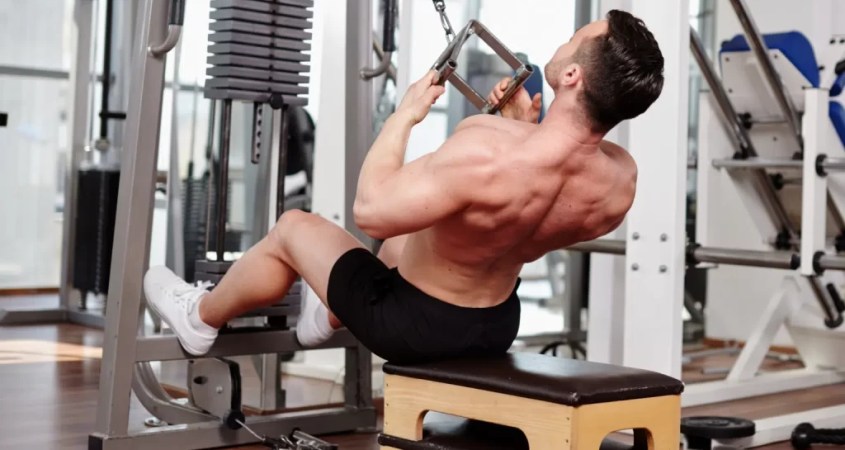
Tag: Gym

Unlocking Strength: How Cable Machines Build Muscle with Precision and Control

Cable machines are a cornerstone of modern gyms, designed to deliver consistent resistance through a system of pulleys and adjustable weight stacks. Unlike free weights, which rely on gravity, cables provide controlled tension across multiple planes of motion. This makes them stand out as versatile tools for developing strength with accuracy and stability.

For lifters at any stage, the promise is clear: cable machines bring precision, control, and adaptability that free weights alone can’t always match. Whether you want to fine-tune your form, isolate hard-to-target muscles, or add variety to your training, cables create opportunities to train smarter.

You should care about them because they let you move naturally, challenge your muscles in every direction, and build strength without the same risk of uncontrolled movement.

What makes cable machines different from free weights?

What is a cable machine? Cable machines are strength-training systems that use pulleys, cables, and a weight stack to create adjustable resistance for a wide variety of exercises. Unlike fixed-path machines, they allow you to move freely while still providing guided resistance.

At their core, cable machines differ from dumbbells, barbells, and resistance bands because they deliver constant tension throughout every phase of the lift. With free weights, resistance varies depending on leverage and gravity. Bands change resistance based on stretch length. Cables, however, maintain steady pressure and allow for more fluid, multi-directional exercises.

This consistency makes them uniquely effective for targeting muscles at angles free weights often miss, while also letting you adjust load and path to suit your body.

Here’s how they compare:

  • Free weights – Offer natural movement patterns, but resistance drops at certain points in the range of motion.
  • Resistance bands – Portable and inexpensive, but resistance is variable and less precise.
  • Cable machines – Provide constant tension, adjustable angles, and a wide variety of controlled exercise options.

How do cable machines actually work?

A cable machine operates through a simple yet effective mechanical system. A weight stack connects to one or more pulleys via steel cables. When you pull on a handle, the force transfers through the pulley system, lifting the selected weight plates. The smooth travel of the cable ensures resistance is steady across the entire motion, unlike free weights where leverage points create sticking spots.

This system allows you to adjust both resistance and direction instantly, making it one of the most versatile strength-training tools.

Main mechanical components include:

  • Pulleys – Guide the cable and control resistance direction.
  • Cables – Connect the handle to the weight stack.
  • Weight stack – Plates that provide adjustable resistance.
  • Handles/attachments – Grips or bars used to pull or push.
  • Carabiners – Connect attachments securely.
  • Frame – Provides stability and support.
  • Adjustment pins – Let you select weight or pulley position.

What are the main parts of a cable machine?

To understand how these machines function, it helps to look closely at each component:

  • Pulleys – Rotating wheels that reduce friction and guide cable direction.
  • Cables – Coated steel wires that transfer force efficiently.
  • Weight stack – Series of plates linked to a selector pin for quick changes.
  • Handles – From straight bars to rope grips, these allow different movements.
  • Carabiners – Small but vital connectors for swapping attachments.
  • Frame – The steel structure keeping the system steady.
  • Adjustment pins – Used to change pulley height or lock the selected weight.

What muscles can you target with cable machines?

Cable machines allow you to hit every major muscle group with precision. Unlike some equipment that locks you into a single path, cables can be adjusted to mimic natural joint movement, letting you strengthen muscles from multiple angles. They’re equally useful for isolation drills and full-body functional training.

By adjusting pulley height, handle type, and stance, you can engage different areas of the body:

  • Upper body – Chest flys, rows, shoulder raises, and triceps pushdowns.
  • Core – Woodchoppers, cable crunches, and anti-rotation holds.
  • Lower body – Glute kickbacks, lunges, and hip abductions.

Can cable machines build full-body strength?

Yes. While often used for isolation work, cable machines can also support compound movements. They let you replicate exercises like squats, bench presses, and deadlifts with added control and tension.

For example, a cable chest press challenges the chest, shoulders, and triceps, while cable squats combine lower-body strength with core engagement. Isolation moves like bicep curls or lateral raises can then fine-tune specific muscles. This combination makes cable training effective for building both size and functional strength.

What are the main types of cable machines?

What are the main types of cable machines?

Different models offer unique benefits, so choosing the right one depends on your training goals and available space.

Single-stack cable machines

Compact, with one weight stack. Great for beginners or home gyms, though limited in versatility.

Dual-stack functional trainers

Feature two adjustable columns, allowing independent or linked resistance. Highly versatile and common in commercial gyms.

Cable crossovers

Wide-frame systems designed for chest and shoulder training. Excellent for flys but require significant space.

Adjustable pulley systems

Offer flexible pulley positioning, enabling a wide variety of exercises at different angles.

Specialized cable attachments

Machines dedicated to one purpose, like lat pulldown towers or seated row stations. Perfect for focused strength work.

What advantages do cable machines offer for muscle building?

Cable systems bring several benefits that make them indispensable for strength training:

  • Constant tension – Keeps muscles engaged through the entire movement.
  • Safety – Resistance is controlled, reducing risks of dropping weight.
  • Joint-friendly – Adjustable angles align better with natural joint paths.
  • Progressive overload – Small weight increments support steady growth.
  • Versatility – One machine can replace multiple free-weight exercises.

How do cable machines help improve form and reduce injury risk?

The guided resistance path means you don’t need to stabilize the weight as much as with free weights. This allows for better control, particularly during rehab or for those with mobility issues. Adjustable pulleys also let you match resistance to your body mechanics, which helps maintain joint alignment and minimize stress.

How to use cable machines effectively for strength training?

Getting results from cable training isn’t just about pulling handles—it’s about setting up properly and moving with control.

Steps to follow:

  • Adjust pulley height and machine settings.
  • Select appropriate weight with the pin.
  • Attach the correct handle for the exercise.
  • Position your body with stable footing.
  • Perform movements with controlled tempo.
  • Apply progressive overload over time.

What are the most important setup tips?

  • Adjust pulleys to match joint height.
  • Ensure pins are fully secured before lifting.
  • Test weight with a light rep before starting.

What are the most effective cable exercises for each muscle group?

Chest-focused cable exercises

  • Cable chest press
  • Cable flys

Back-focused cable exercises

Shoulder-focused cable exercises

Arm-focused cable exercises

Leg and glute-focused cable exercises

  • Cable kickbacks
  • Cable lunges

Core and stability-focused exercises

  • Cable crunches
  • Pallof press

How do cable machines compare to other training equipment?

  • Dumbbells – Offer natural movement but lack constant tension.
  • Barbells – Best for maximum load, but less versatile.
  • Resistance bands – Great for portability but not precise.
  • Fixed-path machines – Provide stability but limit movement freedom.

Cables strike a balance by combining the natural feel of free weights with the safety of machines.

Can cable machines support progressive overload and hypertrophy?

Can cable machines support progressive overload and hypertrophy?

Yes. You can track incremental weight increases just like free weights. Beyond adding plates, cables also make it easy to apply advanced techniques like tempo variations or unilateral training.

What training techniques work best on cable machines?

  • Supersets for time efficiency.
  • Drop sets for fatigue training.
  • Isometric holds for stability.
  • Time under tension to maximize growth.

What are common mistakes to avoid on cable machines?

  • Setting pulleys at the wrong height.
  • Using jerking motions instead of controlled reps.
  • Ignoring core stability during moves.
  • Choosing weights that are too heavy.
  • Gripping poorly or with unstable wrists.

Are cable machines good for beginners or only advanced lifters?

They’re accessible for every level. Beginners benefit from the safety and guidance, while advanced athletes can apply precision overload and variety.

Tips for new users:

  • Start with lighter weight to learn form.
  • Focus on slower, controlled movements.
  • Use mirrors or trainer feedback for alignment.

What role do cable machines play in rehabilitation and functional fitness?

Their controlled resistance makes them valuable for recovery programs. Therapists use them to rebuild strength without overloading joints. Athletes also benefit from the ability to mimic sport-specific motions, like rotational swings or pushing and pulling patterns, under resistance.

What attachments and accessories enhance cable workouts?

  • Rope handles – Ideal for triceps and core.
  • Straight bars – Great for biceps and back.
  • V-bars – Useful for rows and pulldowns.
  • Ankle cuffs – For glute and leg work.
  • Single D-handles – Versatile for unilateral training.

How do you maintain and care for a cable machine?

  • Inspect cables regularly for wear.
  • Lubricate pulleys to ensure smooth travel.
  • Tighten bolts and connections.
  • Check selector pins for stability.

Commercial gyms should maintain equipment weekly, while home users can do monthly checks.

What are alternatives to cable machines if you don’t have access?

  • Resistance bands for portable tension.
  • Suspension trainers for bodyweight leverage.
  • Dumbbells for free movement.
  • Plate-loaded machines for focused strength.

Each alternative works, but none match the precision and adjustability of cables.

Conclusion

Cable machines stand out as versatile tools that combine safety, control, and effectiveness in one package. They allow you to train every muscle group, support beginners and advanced lifters alike, and even play a role in rehabilitation.

With their constant tension and adjustable mechanics, they’re a smart investment for anyone serious about strength training. If you’re looking for a way to train with precision, reduce injury risk, and unlock new levels of performance, cable machines deliver the balance of science and strength.

Strength Programs >>

More Articles >>

The Ultimate Guide to Buying Used Gym Equipment: Tips for Fitness Enthusiasts and Gym Owners

Building a gym—whether at home or in a commercial space—can be a costly venture, but buying used gym equipment offers a savvy alternative. Fitness enthusiasts and gym owners alike are discovering that pre-owned equipment can provide top-tier functionality at a fraction of the price. This guide dives into everything you need to know about making smart purchases, from evaluating the condition of equipment to ensuring safe setup. Let’s explore how you can save money, stay sustainable, and build a fully functional gym with used equipment.

Why Should You Consider Buying Used Gym Equipment?

Investing in used gym equipment from BUGE is a practical and financially sound decision for anyone looking to create or upgrade a fitness space. Here are the key advantages:

  • Affordability Compared to New Equipment: Used equipment can cost 30-70% less than its brand-new counterparts, allowing you to maximize your budget.
  • Access to Premium Brands at Lower Prices: High-quality brands like Precor, Life Fitness, and Hammer Strength become more accessible when purchased second-hand.
  • Environmentally Friendly Choice: Buying used equipment reduces waste, making it a more sustainable option for eco-conscious buyers.

Whether you’re starting small or expanding an established gym, used equipment offers an unbeatable balance of cost and quality.

What Are the Main Types of Gym Equipment to Look For?

Understanding the categories of gym equipment available is essential for making informed decisions. Here are the main types of equipment to consider:

  • Cardio Machines: Essential for endurance and cardiovascular health, these include treadmills, elliptical trainers, and rowing machines.
  • Strength Training Equipment: Ideal for building muscle, options include dumbbells, barbells, bumper plates, kettlebells, and resistance bands.
  • Functional Fitness Gear: Perfect for versatile workouts, these include medicine balls, plyometric boxes, and balance trainers.

Cardio Machines

Cardio machines are a staple of any gym setup. When buying used, prioritize models with minimal wear on moving parts and reliable electronic functionality. Test treadmills for belt smoothness, check for noise in elliptical trainers, and ensure rowing machines glide seamlessly.

Strength Training Equipment

Strength equipment often has a longer lifespan due to its robust design. Inspect for rust or corrosion on metal parts and verify that adjustable weights or resistance mechanisms function correctly.

Functional Fitness Gear

Functional fitness equipment is versatile and typically more affordable, even when new. Look for high-quality medicine balls and plyometric boxes that show minimal wear, ensuring their durability for explosive movements.

How to Evaluate Used Gym Equipment?

Ensuring the quality of used gym equipment is crucial to avoid future costs or risks. Follow these steps to assess the condition and functionality of pre-owned gear.

What Should You Inspect for Wear and Tear?

Before committing to a purchase, check for these signs of wear:

  • Moving Parts: Examine belts, cables, and pulleys for fraying or stiffness.
  • Rust or Corrosion: Look for rust on metal components, especially in humid climates.
  • Electronic Displays: Ensure all screens and digital features work as intended.

How to Test for Proper Functionality?

Whenever possible, perform an in-person test of the equipment:

  • Run treadmills or use elliptical machines for at least five minutes to identify any mechanical issues.
  • Adjust weight stacks on strength equipment to ensure smooth operation.
  • Test resistance bands and cables for elasticity and durability.

Where Can You Buy Used Gym Equipment?

Where To Buy Used Gym Equipment

Finding the right source for used gym equipment is as important as selecting the equipment itself. Here are the most common options, along with their pros and cons:

  • Online Marketplaces: Websites like eBay or Facebook Marketplace offer wide selections, but quality can vary.
  • Specialty Resellers: Businesses that specialize in refurbished or second-hand gym equipment often provide warranties and professional inspections.
  • Local Classified Ads: Platforms like Craigslist can yield hidden gems but require due diligence.
  • Gym Liquidation Sales: When gyms close or upgrade, they often sell equipment at discounted prices. These sales are an excellent opportunity for bulk purchases.

What Are the Most Common Mistakes When Buying Used Gym Equipment?

Avoiding these pitfalls will save you time, money, and frustration:

  • Failing to Test Equipment: Always test the functionality before buying to avoid hidden issues.
  • Ignoring Warranty or Service Options: Some resellers offer limited warranties—don’t skip this added protection.
  • Overlooking Space and Weight Considerations: Ensure the equipment fits your space and floor can handle the weight.

How to Set a Budget for Buying Used Gym Equipment?

Establishing a budget before diving into the buying process is crucial. A clear financial plan helps prioritize your needs and avoid overspending. Here’s how to allocate your funds wisely:

How to Determine Which Equipment is Essential?

Focus on the equipment that aligns with your fitness goals or the needs of your gym clients. Consider these tips:

  • Assess Your Fitness Needs: For home gyms, prioritize versatile equipment like adjustable dumbbells or multifunctional machines.
  • Cater to Client Demand: Commercial gym owners should invest in popular items like treadmills, benches, and cable machines.
  • Start Small: If your budget is tight, buy essential equipment first and expand later as funds allow.

How to Negotiate When Buying Used Gym Equipment?

Negotiation can help you secure better deals. Use these strategies to get the best price:

  • Do Your Research: Know the market value of the equipment to ensure you’re negotiating fairly.
  • Point Out Flaws: Politely highlight any visible wear and tear as leverage for a discount.
  • Bundle Purchases: If buying multiple items, request a bulk discount.

Negotiation is a skill—approach it with confidence and politeness to achieve your desired outcome.

How to Transport and Install Used Gym Equipment?

Transportation and installation are often overlooked but critical steps in the buying process. Proper planning ensures safe and efficient setup.

What Are the Safety Tips for Moving Heavy Equipment?

Moving gym equipment requires caution to prevent injuries or damage. Follow these safety practices:

  • Use Proper Lifting Techniques: Bend your knees and lift with your legs, not your back.
  • Enlist Help: Large items like treadmills or weight machines require at least two people to move.
  • Protect Floors and Walls: Use padding or sliders to avoid scratches and dents during transportation.

If the equipment is particularly bulky or heavy, consider hiring professionals for delivery and installation.

How to Maintain Used Gym Equipment?

How to Maintain Used Gym Equipment?

Regular maintenance is essential for extending the lifespan of your used gym equipment. Develop a consistent maintenance routine to keep everything in top condition.

Maintenance Tips to Extend Equipment Lifespan

  • Clean Regularly: Wipe down surfaces to remove sweat and dirt that can lead to corrosion.
  • Lubricate Moving Parts: Apply appropriate lubricants to belts, cables, and joints to reduce wear.
  • Check for Loose Parts: Inspect nuts, bolts, and screws, tightening them as needed.
  • Schedule Professional Servicing: For complex machines like treadmills, periodic servicing by professionals is recommended.

Should You Consider Refurbished Gym Equipment?

Refurbished equipment is another option to consider, often providing a middle ground between new and used. These items are typically repaired and tested to ensure functionality.

  • Pricing: Refurbished equipment is more expensive than used but significantly cheaper than new.
  • Warranty Options: Many refurbished items come with warranties, adding peace of mind.
  • Quality Differences: Refurbished equipment often has updated parts, making it a more reliable choice for high-traffic gyms.

What Are the Pros and Cons of Buying Used vs. New Gym Equipment?

Weighing the benefits and drawbacks of used and new equipment can help you decide which is best for your situation.

Pros of Buying Used Equipment

  • Cost-effective.
  • Environmentally friendly.
  • Access to premium brands.

Cons of Buying Used Equipment

  • Potential wear and tear.
  • Limited or no warranty.
  • Risk of hidden defects.

Pros of Buying New Equipment

  • Latest features and technology.
  • Full warranty coverage.
  • Customization options.

Cons of Buying New Equipment

  • High upfront costs.
  • Longer return on investment.

Are There Financing Options for Used Gym Equipment?

Yes, financing can help spread the cost of large purchases, making used gym equipment even more accessible. Explore these options:

  • Leasing Agreements: Some sellers offer lease-to-own options for high-ticket items.
  • Third-Party Financing: Look for financing plans from banks or online lenders.
  • Seller Financing: Certain resellers may provide in-house financing options.

Carefully review interest rates and terms to choose the best financing plan for your budget.

What Are the Best Practices for Setting Up a Home Gym with Used Equipment?

Creating a home gym with used equipment is an efficient way to maximize space and minimize costs. Follow these tips for a functional setup:

Essentials for a Home Gym Setup

  • Multi-functional Equipment: Invest in items like adjustable benches or compact cable machines.
  • Space-Saving Solutions: Use wall-mounted racks for weights and foldable cardio machines.
  • Safety Features: Install rubber flooring to reduce impact and protect your equipment.

Plan your layout in advance to ensure optimal use of space while maintaining safety.

What Are the Legal and Safety Considerations When Buying Used Gym Equipment?

Purchasing used gym equipment involves certain legal and safety responsibilities. Keep these considerations in mind:

  • Liability Issues: Ensure the equipment meets safety standards to protect users from injury.
  • Certifications: Check for certifications like CE or UL, indicating compliance with safety regulations.
  • Insurance: Update your insurance policy to cover liability associated with used equipment.

Being proactive about legal and safety concerns protects both you and your equipment users.

What Are Some Common Accessories to Look For?

In addition to core gym equipment, accessories enhance your setup’s versatility and functionality. Consider adding:

  • Floor Mats: Protect floors and provide a comfortable workout surface.
  • Storage Racks: Keep weights, bars, and smaller items organized.
  • Safety Accessories: Invest in collars for barbells and padded grips for comfort.

These small additions can significantly improve your gym’s usability and appeal.

Conclusion

Buying used gym equipment is an excellent way to create a cost-effective and high-quality fitness space. By carefully evaluating your options, setting a realistic budget, and maintaining your equipment, you can enjoy long-term value and functionality. Whether you’re a fitness enthusiast setting up a home gym or a gym owner expanding your inventory, thoughtful planning and research are key to making the most of your investment. Take the leap and start building your dream gym today!

Strength Programs >>

More Articles >>

Building the Ultimate Home Gym: A Guide to Creating Your Perfect Workout Space

Creating a home gym is one of the best investments you can make for your fitness and overall health. Not only does it provide the convenience of working out on your own schedule, but it also eliminates the hassle of gym memberships and commuting. A home gym allows you to tailor your workout environment to fit your needs, style, and goals—whether you’re into strength training, cardio, or flexibility.

While the thought of building a home gym might seem overwhelming, it’s easier than you think. With some careful planning and strategic purchases, you can create an effective, motivating space that suits your budget and lifestyle. This guide will walk you through the key considerations for setting up the ultimate home gym, ensuring you have everything you need to succeed.

Why Invest in a Home Gym?

Working out at home offers numerous benefits beyond convenience. According to a study by the American College of Sports Medicine, the number of people engaging in home-based workouts has increased by over 40% in recent years. But this surge isn’t just about convenience—it’s about creating a personal space that motivates and inspires you.

A home gym allows for:

  • Flexibility: Work out on your own schedule, without worrying about gym hours or wait times for equipment.
  • Personalization: Tailor the space to your specific fitness needs, whether that’s weightlifting, yoga, or HIIT.
  • Cost-effectiveness: While there’s an initial investment, a home gym can save you money in the long run by eliminating membership fees and travel costs.

The ability to create a workout environment that is comfortable and motivating is one of the biggest advantages of having your own gym. Plus, you can add personal touches, such as neon name signs, to give the space character and make it feel like your own dedicated fitness zone.

Choosing the Right Space

Before purchasing any equipment, it’s essential to select the right space for your gym. This will depend on the available room in your home and the type of workouts you plan to do. Whether it’s a spare room, basement, garage, or even a corner of your living room, the space should be large enough to accommodate your equipment and allow for free movement.

When deciding on your gym space, keep the following considerations in mind:

  • Flooring: Choose durable, non-slip flooring that can handle heavy weights and high-impact exercises. Rubber flooring or foam tiles are great options for shock absorption.
  • Ventilation: Proper ventilation is crucial, especially if you plan to do intense workouts. Make sure there’s enough airflow to keep the room cool and fresh.
  • Lighting: Bright lighting is important for visibility and energy. If natural light is an option, take advantage of it to make the space feel open and inviting.

Essential Equipment for the Ultimate Home Gym

Once you’ve chosen the perfect space, it’s time to think about equipment. The key to building a versatile home gym is to invest in equipment that supports a wide range of exercises without taking up too much space. Here’s a list of essential pieces to get you started:

1. Adjustable Dumbbells

Dumbbells are one of the most versatile pieces of equipment you can have in a home gym. They allow you to target multiple muscle groups, making them ideal for strength training. Opt for adjustable dumbbells, which save space and offer a wide range of weight options in one set.

2. Barbell and Weight Plates

If you’re serious about strength training, a barbell and a set of weight plates are non-negotiable. Look for an Olympic barbell and bumper plates for durability. This setup will allow you to perform exercises like squats, deadlifts, and bench presses.

3. Resistance Bands

Resistance bands are a low-cost, space-saving addition to any home gym. They’re great for building strength, improving mobility, and adding variety to your workouts. Plus, they’re portable, making them ideal for travel workouts.

4. Adjustable Bench

An adjustable bench allows you to perform a variety of exercises at different angles, such as bench press, rows, and step-ups. It’s a versatile piece of equipment that complements both dumbbells and barbells.

5. Cardio Machine

Depending on your space and budget, adding a cardio machine like a treadmill, rowing machine, or stationary bike can boost your endurance and cardiovascular health. Choose a machine that fits your workout preferences and doesn’t overwhelm the room.

6. Pull-Up Bar

A pull-up bar is a simple but effective tool for upper body strength. Many options are available, from door-mounted bars to free-standing rigs.

7. Yoga Mat

Whether you’re doing bodyweight exercises, stretching, or practicing yoga, a high-quality mat will provide comfort and stability during your workout.

Personalizing Your Home Gym

Once you have the essential equipment in place, it’s time to personalize your gym. A well-designed space can motivate you to stick to your fitness routine and make your workouts more enjoyable. Here are some tips for making your home gym feel inspiring:

  1. Decorate with motivational posters: Surround yourself with quotes or images that inspire you to push harder and stay consistent.
  2. Install a large mirror: Not only does a mirror make the space look larger, but it also helps with form correction during exercises.
  3. Create storage solutions: Keep your space tidy by investing in storage racks for weights and other equipment. This prevents clutter and allows you to easily access what you need. For small accessories and delicate electronics, add a labeled, stackable custom soft case to protect timers, cameras, wraps, bands, and cable attachments—keeping everything organized and ready for grab‑and‑go sessions in your home gym.
  4. Add ambiance: Lighting can make a big difference. Consider installing bright, functional lights for workouts, but also add softer lighting, such as string lights, for a more relaxed atmosphere during cooldowns.
  5. Personalize with custom touches: For a unique touch, consider incorporating neon name signs that display your name or a motivational phrase. Not only does this add character, but it also makes your gym feel truly your own.

Making the Most of Small Spaces

You don’t need a huge space to create an effective home gym. Even in a small room, you can get a great workout if you’re strategic about equipment and layout. The key is to focus on multifunctional equipment that offers versatility without taking up too much room.

For example, adjustable dumbbells, a compact weight bench, and resistance bands are all space-efficient tools that offer a full-body workout. Consider using vertical storage racks to keep your weights organized, or choose foldable equipment that can be tucked away when not in use.

In smaller spaces, it’s also essential to keep the layout functional. Arrange your equipment in a way that allows for clear movement, and use the walls for mirrors or storage to maximize floor space.

The Cost of Building a Home Gym

While building a home gym requires an upfront investment, it can save you money in the long run compared to monthly gym memberships and travel expenses. The cost will vary depending on the equipment you choose, but it’s possible to build an effective gym on almost any budget.

A basic setup with essentials like adjustable dumbbells, resistance bands, and a pull-up bar can cost as little as $500. However, for a more comprehensive setup with a barbell, weight plates, and a cardio machine, expect to spend upwards of $1,500 to $3,000.

Regardless of your budget, focus on purchasing high-quality equipment that will last. Over time, your home gym will pay for itself through the convenience and savings it provides.

Conclusion: A Gym Tailored to You

Building the ultimate home gym is about more than just assembling equipment—it’s about creating a space that motivates and inspires you to reach your fitness goals. Whether you’re lifting weights, doing yoga, or just starting your fitness journey, a personalized home gym allows you to work out on your own terms.

By choosing versatile equipment, optimizing your space, and adding personal touches like neon name signs, you can transform any room in your home into a dynamic fitness haven. As long as you stay consistent, your home gym will serve as the foundation for a healthier, stronger you.

Strength Programs >>

More Articles >>

How A Proper Nutrition Plan Maximizes Your Gym Workouts

Venturing into a fitness journey paves the way to a healthy lifestyle, the muscular physique you have been dreaming of, and enhanced physical performance.

Many people wonder if a successful fitness journey is just about hitting the gym for 2-3 hours a day, lifting heavy weights and breaking heavy sweat.

But the reality is far from it.

The truth is you need to combine your gym workouts with an effective nutrition plan to nail your fitness journey.

So let’s talk about how pairing an effective nutrition plan with a gym workout can help you reach your goals!

Correlation between Muscle Building and Diet Plan

Combining healthy nutrition with your workouts is the best way to get the most out of your efforts at the gym.

Nutrition refers to providing the body with the necessary nutrients to help it perform optimally. This includes different types of nutrients that mainly include the right amount of carbohydrates, proteins, fats, vitamins and minerals to fuel your body to perform your gym workouts at your best.

By hitting the gym, you are working towards enhanced muscle strength, an active lifestyle and a better physique. And, without assuming an effective diet plan, you risk overall physical well-being, let alone transforming a lean physique into an attractive silhouette (of your body). Even if you have a membership to a well-equipped gym in Vaughan, without a proper nutrition plan, your results will be minimal.

Proper nutrition improves your gym workouts, as it supplies our body with the necessary energy required to exercise with greater intensity without exhausting ourselves too early.

Types of Workout Nutrition

Logically, you consume a diet in two phases when it comes to gym workouts; pre-workout nutrition and post-workout nutrition.

Pre-Workout Nutrition

As its name suggests, pre-workout nutrition refers to consuming the right nutrients before hitting the gym. It plays a vital role in maintaining the right energy levels and enhancing performance during workouts. A perfect pre-workout diet is not about eating just anything. Rather, it is carefully choosing food made of ingredients that support your body during the upcoming workout. 

Impact of Consuming the Right Nutrients Before Exercise

Selecting the right pre-workout routine impacts your energy levels positively during the exercise. You are advised to consume a balanced mix of macro-nutrients such as carbohydrates, proteins, and fat that supply your body with the energy needed to perform at its best.

Carbohydrates serve as the primary source to fuel your muscles during exercise, whereas proteins are responsible for repairing and building muscle tissues. 

On top of that, ensuring you have an adequate intake of these nutrients helps to prevent fatigue and maintain decent energy levels throughout the whole session.

Recommended Diet and Timing for Optimal Pre-workout Nutrition

Carbo-hydrates

Opt for foods enriched with complex carbohydrates such as whole grains, fruits, and vegetables. These foods provide a steady release of energy during the workout.

Proteins

Go for lean protein resources like chicken, turkey, and Fish or plant-based options like legumes.

Fats

Incorporate healthier fats from sources like avocados, nuts, and seeds.

As far as timing is concerned, it is recommended to consume a pre-workout meal 1-2 hours before entering the gym.

Post-Workout Nutrition

Did you hit the gym, do an intensive workout, and consider it enough for muscle growth? Wrong! Now, the real importance of an excellent diet kicks in. It is no other than post-workout nutrition. 

Post-workout nutrition plays a vital role in repairing your body muscles and enhancing muscle growth.

The importance of post-workout nutrition cannot be overstated: all your hard work is of no avail if you are consuming random snacks, overlooking the crucial impact of a properly calculated diet.

Impact of Consuming the Right Nutrients after Exercise

Intense workouts trigger your body for growth, but without proper nutrients, your body won’t have what it needs to do so. That is why it is so important to refuel and repair your muscles with quality carbohydrates and protein within 2 hours after your workout is complete.

Recommended Meals for Post-workout Nutrition

Your body needs a decent amount of proteins and carbohydrates to build muscle after a hard workout.

Here are a few post-workout options you should consider trying:

  1. Eggs and Wholegrain toast
  2. Dried Fruits and Nuts
  3. Chocolate Milk 
  4. Meat or Fish and Rice

Conclusion

Pairing a balanced diet plan with a proper workout is an essential part of a long fitness journey. A wholesome diet that maintains a decent balance between macro-nutrients and micro-nutrients is the key to a successful and result-driven gym workout. 

Besides that, make sure to avoid consuming excess alcohol and tobacco and getting inadequate amounts of sleep, as they can adversely affect your efforts at a healthier lifestyle.

Strength Programs >>

More Articles >>

Essential Guide to 6 Pack Gym Bags for Fitness Lovers

When we talk about 6 pack gym bags, it’s not just a conversation about any ordinary bag. It’s about transforming how you carry your fitness life around with you. These aren’t just storage; they’re an upgrade to your entire gym experience. Imagine having everything from your protein shaker to a spare set of clothes neatly organized and ready at a moment’s notice. That’s what these bags offer – convenience, organization, and style all rolled into one.

Gone are the days of fumbling through an old duffel looking for that elusive water bottle or post-workout snack. The world has moved on to smarter solutions, making every trip to the gym more efficient than ever before.

Table Of Contents

What Is a 6 Pack Gym Bag?

A 6 pack gym bag is a game-changer for fitness enthusiasts. It’s not your average gym bag – this bad boy is designed to make your life easier and your workouts more efficient. The bag measures 17″x9″x13.5″ and weighs about five pounds. It is constructed from polyester and ballistic nylon. Truth be told, it’s pretty darn sleek looking. While it comes in four colors – blue, hot pink, grey, and black – the black is by far the most elegant and professional looking, in my opinion. The inside of the bag is lined with a reflective, cooling material to keep everything well insulated.

Benefits of Using a 6 Pack Gym Bag

Overall this is a great bag. It does exactly what it’s designed to do, accommodates everything from supplements to an entire day’s worth of meals, and it looks sleek enough that everybody at the gym or your office is going to ask you where you got it. A 6 pack gym bag is perfect for those who want to stay organized and prepared for their workouts. With separate compartments for your meals, supplements, and workout gear, you’ll never forget anything important again. Plus, the insulated material keeps your food fresh and your post-workout shake cold. No more lukewarm protein shakes or soggy sandwiches.

Top 6 Pack Gym Bags on the Market

With so many options out there, it can be overwhelming to choose the right 6 pack gym bag for you. But don’t sweat it – we’ve got you covered.

6 Pack Fitness Innovator Mini Backpack

The Six Pack Bags Innovator 500 is available at body beautiful apparel. This bad boy has all the features you need in a compact size. Perfect for those who like to travel light. Those looking for an affordable yet versatile gym bag will love the Fitmark The Shield Backpack. Packing your stuff for a workout or a day at work just got cooler, thanks to this bag’s neat compartments and smooth style.

Isolator Fitness 6 Meal ISOBAG

The cleverly and appropriately-named Six Pack Fitness has come up with a solution for the nutritionally obsessed athlete. A high-quality bag meant to help you transport your food, supplements, workout shakes, and more. Six Pack Fitness has come up with a solution for the nutritionally obsessed athlete. The ThinkFit Insulated Meal Prep Lunch Box is perfect for those who meal prep and want to stay on track with their nutrition goals.

MIER Adult Lunch Box Insulated Lunch Bag

Gymshark is known for its affordable yet quality range of kit, and this classic holdall-style gym bag is no exception. With more pockets than you can shake a stick at (including a wet pocket for swimming or sweaty gear, a shoe compartment, mesh pockets for essentials and a zip pocket for valuables — see, we told you), and a durable, reinforced base, it’s ready to go as hard as you are. It’s pretty roomy too — our tester also used it for a long weekend away.

What to Pack in Your 6 Pack Gym Bag

Now that you’ve got your perfect 6 pack gym bag, it’s time to fill it up with all the essentials. But what exactly should you pack? The best way to pack your gym bag is to have a list of items that you will need for the gym. For example, a towel, sneakers, water, and a post-workout outfit. I usually make a list of what I need and will leave this list below.

  • A towel
  • Sneakers
  • Shoes
  • Stainless Steel Thermos
  • Enough clothes to wear twice in case you get too sweaty or smelly, including shoes that can be worn outside the gym.
  • Deodorant
  • Extra food if required, like protein bars.

Hydration and Nutrition

No doubt many of you have experienced the same dilemma with food that I have. You don’t trust your workplace, friends, or restaurants to have the foods you need, so you diligently pack food to take with you everywhere you go. You end up with gym bags and briefcases full of food containers. Or, you end up with food mashed into your work clothes and dirty socks touching your eating utensils. Make sure to pack plenty of water and some healthy snacks like fruit, nuts, or protein bars. If you’re meal prepping, don’t forget to include your pre and post-workout meals.

A typical large gym or locker room can fill up with piles of clothes, shoes, toiletries, notebooks, water bottles and towels – all spread out across rows of lockers without any rhyme or reason. Pack some basic toiletries like deodorant, body spray, and a small towel; if you wear fragrance, keep it minimal with a light spritz from budget‑friendly cologne picks for men so you feel fresh without overpowering the room. If you plan on showering at the gym, don’t forget your shower essentials like shampoo, soap, and flip flops.

Recovery and Therapy Tools

Koala Outdoor offers free shipping on orders over $100. If you’re serious about your fitness, you might want to pack some recovery tools like a foam roller or massage ball. These goodies can ease those aches in your muscles and help you become more limber.

How to Choose the Right 6 Pack Gym Bag for Your Needs

With so many options out there, how do you choose the right 6 pack gym bag for your needs? Here are some things to consider: Make sure your bags match your lifestyle. If you need something simple for carrying around shoes and clothes throughout the day – pick something basic. If you need more room for storing things like equipment after your workout, go for the larger bags that you can find on Koala Outdoor. Think about what type of workouts you do and what gear you need to bring with you. If you’re a weightlifter, you might need more space for your lifting belt and chalk. If you’re a runner, you might prioritize a bag with a separate shoe compartment.

Look for Adequate Storage Space

If you want bags for basic essentials, there are plenty of options that offer room for a pair of sneakers and other items like water, as well as small pockets for things like keys or phone chargers. For those looking for more storage room for items such as equipment or clothes post-workout, duffle sports bags might be better suited instead or the Evatac Combat Backpack. Make sure the bag you choose has enough space for all your gear, meals, and supplements. Look for bags with multiple compartments and pockets to keep everything organized.

Gym bags are typically made with thick material which have great durability. They can be large enough to fit clothing, shoes, towels, etc. It is not necessary to have a bag that has compartments or pockets because it can easily get crowded in the bag when all of your belongings are thrown into it at once. When picking out a bag, aim for one crafted from sturdy materials that’ll hold up against the wear and tear of everyday life. Bonus points if the material is easy to clean and machine washable.

Opt for Comfortable Carrying Options

There are even gym backpacks that provide you with extra support while working out (so your straps don’t fall off your shoulder). Consider how you’ll be carrying your bag – do you prefer a backpack style or a duffle bag with a shoulder strap? Make sure the straps are comfortable and adjustable.

Tips for Organizing and Maintaining Your 6 Pack Gym Bag

Now that you’ve got your perfect 6 pack gym bag packed and ready to go, here are some tips for keeping it organized and in tip-top shape: It is important to pack up all necessary items in your gym kit before heading out. Making sure you have everything you will need to get through a workout ahead of time makes getting up and going easier which means more motivation. It can also save time by allowing you to go right from the car into the gym, or making it easy for you to change after a workout if you’ve got wet clothes after your gym sesh. Develop a system for packing your bag so you always know where everything is. Tuck your snacks and toiletries into smaller bags or containers to keep everything organized by category.

Regularly Clean and Sanitize Your Bag

If you find yourself rushing in the morning and having to leave for work without packing up, or if you need to change clothes after a workout, it’s enough of an inconvenience forgetting something at home. Taking your bag with you ensures that all of your belongings are there and ready to be worn when you’re finished. Gym bags can get pretty gross pretty quickly. Make sure to regularly clean and sanitize your bag, especially if you’re storing sweaty clothes or shoes in it.

Replace Worn-Out Items Promptly

Packing your gym bag is an easy way to make sure you have everything you need. It’s also important to pack the right items in it if you want a hassle-free experience at the gym and when traveling. If you notice any items in your bag are starting to wear out or break down, replace them promptly. This includes things like old sneakers, fraying towels, or leaky shaker bottles. With these tips in mind, you’ll be able to keep your 6 pack gym bag organized, clean, and ready for action. Happy working out.

Key Takeaway:

A 6 pack gym bag is a must-have for anyone serious about their fitness. It’s designed to keep you organized and your meals fresh, with compartments for everything from supplements to workout gear. Whether you’re hitting the gym or heading to work, this bag has got you covered.

Conclusion

The journey through the world of 6 pack gym bags is much like uncovering hidden treasures in plain sight – surprising yet incredibly satisfying once discovered.

This isn’t just another accessory but rather a necessity for those serious about their fitness regime. We’ve unpacked (pun intended) what makes these innovative carriers stand out – smart compartments for meal prep containers, dedicated spots for hydration bottles, and even ventilated sections for shoes and sweaty gear.

So when we talk about 6 pack gym bags again, remember this chat as the turning point where upgrading made total sense—bridging functionality with lifestyle seamlessly.

Strength Programs >>

More Articles >>