Category: Strength Training

Strength Training Articles

Strength training articles for beginners, powerlifters, and athletes! Learn how to get stronger and build muscle for powerlifting, bodybuilding, weight lifting, and all strength sports! It’s time to get stronger!

All Articles >>

Search Strength Training Articles

More results...

Generic selectors
Exact Matches Only
Search Content Titles
Search All Content
Post Type Selectors

All Strength Training Articles


Unlocking Strength: How Cable Machines Build Muscle with Precision and Control

Cable machines are a cornerstone of modern gyms, designed to deliver consistent resistance through a system of pulleys and adjustable weight stacks. Unlike free weights, which rely on gravity, cables provide controlled tension across multiple planes of motion. This makes them stand out as versatile tools for developing strength with accuracy and stability.

For lifters at any stage, the promise is clear: cable machines bring precision, control, and adaptability that free weights alone can’t always match. Whether you want to fine-tune your form, isolate hard-to-target muscles, or add variety to your training, cables create opportunities to train smarter.

You should care about them because they let you move naturally, challenge your muscles in every direction, and build strength without the same risk of uncontrolled movement.

What makes cable machines different from free weights?

What is a cable machine? Cable machines are strength-training systems that use pulleys, cables, and a weight stack to create adjustable resistance for a wide variety of exercises. Unlike fixed-path machines, they allow you to move freely while still providing guided resistance.

At their core, cable machines differ from dumbbells, barbells, and resistance bands because they deliver constant tension throughout every phase of the lift. With free weights, resistance varies depending on leverage and gravity. Bands change resistance based on stretch length. Cables, however, maintain steady pressure and allow for more fluid, multi-directional exercises.

This consistency makes them uniquely effective for targeting muscles at angles free weights often miss, while also letting you adjust load and path to suit your body.

Here’s how they compare:

  • Free weights – Offer natural movement patterns, but resistance drops at certain points in the range of motion.
  • Resistance bands – Portable and inexpensive, but resistance is variable and less precise.
  • Cable machines – Provide constant tension, adjustable angles, and a wide variety of controlled exercise options.

How do cable machines actually work?

A cable machine operates through a simple yet effective mechanical system. A weight stack connects to one or more pulleys via steel cables. When you pull on a handle, the force transfers through the pulley system, lifting the selected weight plates. The smooth travel of the cable ensures resistance is steady across the entire motion, unlike free weights where leverage points create sticking spots.

This system allows you to adjust both resistance and direction instantly, making it one of the most versatile strength-training tools.

Main mechanical components include:

  • Pulleys – Guide the cable and control resistance direction.
  • Cables – Connect the handle to the weight stack.
  • Weight stack – Plates that provide adjustable resistance.
  • Handles/attachments – Grips or bars used to pull or push.
  • Carabiners – Connect attachments securely.
  • Frame – Provides stability and support.
  • Adjustment pins – Let you select weight or pulley position.

What are the main parts of a cable machine?

To understand how these machines function, it helps to look closely at each component:

  • Pulleys – Rotating wheels that reduce friction and guide cable direction.
  • Cables – Coated steel wires that transfer force efficiently.
  • Weight stack – Series of plates linked to a selector pin for quick changes.
  • Handles – From straight bars to rope grips, these allow different movements.
  • Carabiners – Small but vital connectors for swapping attachments.
  • Frame – The steel structure keeping the system steady.
  • Adjustment pins – Used to change pulley height or lock the selected weight.

What muscles can you target with cable machines?

Cable machines allow you to hit every major muscle group with precision. Unlike some equipment that locks you into a single path, cables can be adjusted to mimic natural joint movement, letting you strengthen muscles from multiple angles. They’re equally useful for isolation drills and full-body functional training.

By adjusting pulley height, handle type, and stance, you can engage different areas of the body:

  • Upper body – Chest flys, rows, shoulder raises, and triceps pushdowns.
  • Core – Woodchoppers, cable crunches, and anti-rotation holds.
  • Lower body – Glute kickbacks, lunges, and hip abductions.

Can cable machines build full-body strength?

Yes. While often used for isolation work, cable machines can also support compound movements. They let you replicate exercises like squats, bench presses, and deadlifts with added control and tension.

For example, a cable chest press challenges the chest, shoulders, and triceps, while cable squats combine lower-body strength with core engagement. Isolation moves like bicep curls or lateral raises can then fine-tune specific muscles. This combination makes cable training effective for building both size and functional strength.

What are the main types of cable machines?

What are the main types of cable machines?

Different models offer unique benefits, so choosing the right one depends on your training goals and available space.

Single-stack cable machines

Compact, with one weight stack. Great for beginners or home gyms, though limited in versatility.

Dual-stack functional trainers

Feature two adjustable columns, allowing independent or linked resistance. Highly versatile and common in commercial gyms.

Cable crossovers

Wide-frame systems designed for chest and shoulder training. Excellent for flys but require significant space.

Adjustable pulley systems

Offer flexible pulley positioning, enabling a wide variety of exercises at different angles.

Specialized cable attachments

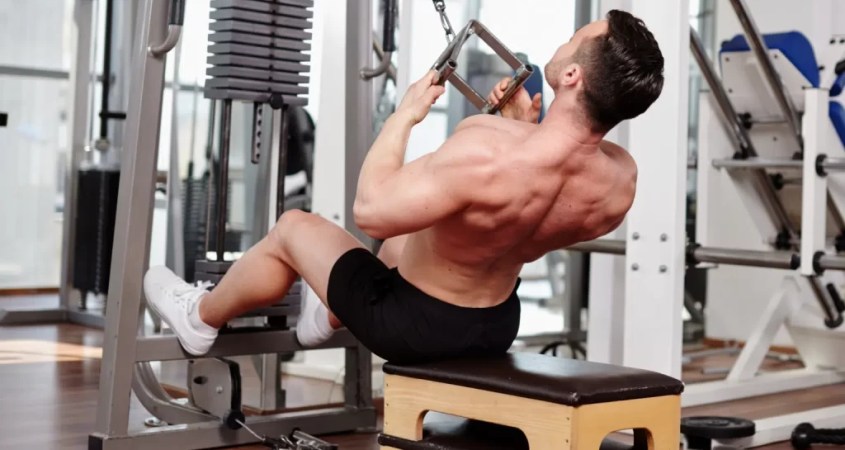
Machines dedicated to one purpose, like lat pulldown towers or seated row stations. Perfect for focused strength work.

What advantages do cable machines offer for muscle building?

Cable systems bring several benefits that make them indispensable for strength training:

  • Constant tension – Keeps muscles engaged through the entire movement.
  • Safety – Resistance is controlled, reducing risks of dropping weight.
  • Joint-friendly – Adjustable angles align better with natural joint paths.
  • Progressive overload – Small weight increments support steady growth.
  • Versatility – One machine can replace multiple free-weight exercises.

How do cable machines help improve form and reduce injury risk?

The guided resistance path means you don’t need to stabilize the weight as much as with free weights. This allows for better control, particularly during rehab or for those with mobility issues. Adjustable pulleys also let you match resistance to your body mechanics, which helps maintain joint alignment and minimize stress.

How to use cable machines effectively for strength training?

Getting results from cable training isn’t just about pulling handles—it’s about setting up properly and moving with control.

Steps to follow:

  • Adjust pulley height and machine settings.
  • Select appropriate weight with the pin.
  • Attach the correct handle for the exercise.
  • Position your body with stable footing.
  • Perform movements with controlled tempo.
  • Apply progressive overload over time.

What are the most important setup tips?

  • Adjust pulleys to match joint height.
  • Ensure pins are fully secured before lifting.
  • Test weight with a light rep before starting.

What are the most effective cable exercises for each muscle group?

Chest-focused cable exercises

  • Cable chest press
  • Cable flys

Back-focused cable exercises

Shoulder-focused cable exercises

Arm-focused cable exercises

Leg and glute-focused cable exercises

  • Cable kickbacks
  • Cable lunges

Core and stability-focused exercises

  • Cable crunches
  • Pallof press

How do cable machines compare to other training equipment?

  • Dumbbells – Offer natural movement but lack constant tension.
  • Barbells – Best for maximum load, but less versatile.
  • Resistance bands – Great for portability but not precise.
  • Fixed-path machines – Provide stability but limit movement freedom.

Cables strike a balance by combining the natural feel of free weights with the safety of machines.

Can cable machines support progressive overload and hypertrophy?

Can cable machines support progressive overload and hypertrophy?

Yes. You can track incremental weight increases just like free weights. Beyond adding plates, cables also make it easy to apply advanced techniques like tempo variations or unilateral training.

What training techniques work best on cable machines?

  • Supersets for time efficiency.
  • Drop sets for fatigue training.
  • Isometric holds for stability.
  • Time under tension to maximize growth.

What are common mistakes to avoid on cable machines?

  • Setting pulleys at the wrong height.
  • Using jerking motions instead of controlled reps.
  • Ignoring core stability during moves.
  • Choosing weights that are too heavy.
  • Gripping poorly or with unstable wrists.

Are cable machines good for beginners or only advanced lifters?

They’re accessible for every level. Beginners benefit from the safety and guidance, while advanced athletes can apply precision overload and variety.

Tips for new users:

  • Start with lighter weight to learn form.
  • Focus on slower, controlled movements.
  • Use mirrors or trainer feedback for alignment.

What role do cable machines play in rehabilitation and functional fitness?

Their controlled resistance makes them valuable for recovery programs. Therapists use them to rebuild strength without overloading joints. Athletes also benefit from the ability to mimic sport-specific motions, like rotational swings or pushing and pulling patterns, under resistance.

What attachments and accessories enhance cable workouts?

  • Rope handles – Ideal for triceps and core.
  • Straight bars – Great for biceps and back.
  • V-bars – Useful for rows and pulldowns.
  • Ankle cuffs – For glute and leg work.
  • Single D-handles – Versatile for unilateral training.

How do you maintain and care for a cable machine?

  • Inspect cables regularly for wear.
  • Lubricate pulleys to ensure smooth travel.
  • Tighten bolts and connections.
  • Check selector pins for stability.

Commercial gyms should maintain equipment weekly, while home users can do monthly checks.

What are alternatives to cable machines if you don’t have access?

  • Resistance bands for portable tension.
  • Suspension trainers for bodyweight leverage.
  • Dumbbells for free movement.
  • Plate-loaded machines for focused strength.

Each alternative works, but none match the precision and adjustability of cables.

Conclusion

Cable machines stand out as versatile tools that combine safety, control, and effectiveness in one package. They allow you to train every muscle group, support beginners and advanced lifters alike, and even play a role in rehabilitation.

With their constant tension and adjustable mechanics, they’re a smart investment for anyone serious about strength training. If you’re looking for a way to train with precision, reduce injury risk, and unlock new levels of performance, cable machines deliver the balance of science and strength.

Strength Programs >>

More Articles >>

Beginner’s Dilemma: Starting with HIIT or Traditional Exercise?

The fitness industry presents newcomers with a paradox: the same experts who praise the efficiency of high-intensity interval training often warn about its risks for beginners. This leaves first-time exercisers torn between jumping into trendy workouts or sticking with conventional approaches. Understanding how to navigate this choice requires examining fundamental physiological principles rather than following marketing hype.

The Allure and Reality of High-Intensity Training

Modern fitness gyms brim with specialized HIIT gym equipment designed to maximize effort in minimal time. While these tools enable impressive results for conditioned athletes, they present hidden challenges for novices. The very efficiency that makes high-intensity intervals appealing – maximum metabolic impact in short durations – demands movement competency and recovery capacity that beginners typically lack. Without proper preparation, what should be a time-saving solution becomes a risk of injury.

Foundation Before Intensity

Movement quality must precede workout intensity. Traditional exercise builds the joint stability, motor control, and cardiovascular baseline that high-intensity training demands. Consider how children learn sports – they master basic skills through repetition before attempting complex plays. The same progression applies to fitness. Starting with controlled, moderate-paced activities allows the body to develop the resilience needed for more demanding workouts.

The Gradual Adaptation Principle

Human physiology responds best to progressive challenges. Beginner exercisers experience rapid initial improvements in strength and endurance regardless of workout type. Traditional training methods capitalise on these “newbie gains” while minimising injury risk. Jumping straight into high-intensity work often leads to excessive soreness or burnout before establishing consistent exercise habits. A measured approach yields better long-term adherence.

HIIT Cardiovascular Readiness Factors

While HIIT famously improves VO2 max efficiently, untrained individuals often lack the aerobic base to sustain proper form during intense intervals. Conventional steady-state cardio builds the capillary density and mitochondrial efficiency that make high-intensity work productive rather than destructive. Think of it as constructing the engine before testing its limits.

Neuromuscular Considerations

Complex movements performed at high speed require coordination that beginners haven’t developed. Traditional strength training establishes the neural pathways that enable safe, explosive movements later on. Without this foundation, high-intensity workouts often degrade into dangerous compensatory patterns. Quality repetitions at manageable intensities create the movement literacy HIIT demands.

Psychological Readiness Assessment

Exercise newcomers frequently overestimate their capabilities while underestimating recovery needs. Traditional workouts provide more predictable stress-recovery cycles, allowing beginners to learn their body’s signals. The addictive intensity of HIIT can mask warning signs of overtraining in inexperienced exercisers. Establishing baseline fitness through conventional methods develops crucial self-awareness.

Equipment Accessibility Factors

Most HIIT protocols assume access to specialised gear and coaching. Beginners working out at home or in limited facilities often find traditional bodyweight and basic resistance training more accessible. Mastering fundamental exercises with minimal equipment builds competence that transfers well to more advanced workouts when ready.

The HIIT Hybrid Approach Solution

Rather than an either-or choice, many fitness professionals now recommend a phased integration approach. Begin with traditional exercise to establish a solid foundation for fitness, then gradually incorporate HIIT elements as your competency improves. This might involve adding short bursts of intensity to steady-state cardio or incorporating one high-intensity day into a mostly moderate program. The transition should feel challenging but never overwhelming.

Listening to Your Body’s Feedback

The path forward becomes clear when we prioritise sustainability over shortcuts. While HIIT’s allure is undeniable, its true value emerges only when layered upon solid fundamentals developed through traditional training. Beginners who patiently build their aerobic base, movement competency, and recovery capacity through conventional methods position themselves to harness the benefits of high-intensity training when they are ready to do so safely. Lasting fitness isn’t about how fast you start, but how wisely you progress—laying the proper foundation ensures that those intense workouts will enhance, rather than undermine, your long-term health and performance.

Strength Programs >>

More Articles >>

Strength Training vs Cardio

Which is more Beneficial for Students?

Should I do strength training or cardio? Many students who have finally decided to set aside time for exercise find themselves stuck with this tricky question. Let’s figure out which one is the best workout option for you.

It has been scientifically proven that exercise is good for your overall health. Understanding which type of exercise is good for you can help you make the most out of the physical activity. Strength training and cardio both are the most popular workouts, deciding which one is better for you can be hard.

Student life is packed with an intense academic schedule, assignments, presentations and personal responsibilities. This hectic schedule leaves little or sometimes no time for physical activity. However, maintaining an exercise routine and sticking to it is essential to maintain your overall health. Strength training and cardiovascular (cardio) workouts are the two most popular forms of exercise for students. Choosing between the two can help you build a routine that is right for you.

Strength training vs cardio, which option is better for me? The answer is not as simple as choosing one over the other. Both forms of workouts are beneficial and when combined, they can complement each other. With a comprehensive fitness routine, you can improve your physical health and achieve mental clarity.

Let’s explore the advantages of strength training vs cardio, and how they can work together to improve your fitness, resilience, and energy levels throughout your academic journey.

What is Strength Training?

Strength training, also known as resistance training or weight lifting, involves workouts that aim to improve muscle strength and endurance. These exercises typically target specific muscle groups and are performed using weights such as dumbbells, barbells, or machines, resistance bands, or even your own bodyweight.

Strength training can involve a range of exercises, including:

Choosing which strength training exercise to do solely depends on your fitness goals. It is advised to dedicate two days a week to perform strength training exercises. 

Primary Benefits of Strength Training Exercises

Improved Posture and Reduced Pain

Strength training focuses on building your core and upper body muscles, helping to correct posture imbalances and alleviate the discomfort associated with sitting for prolonged periods. Long hours of studying, sitting in lecture halls, and hunched over textbooks or laptops can lead to poor posture and back pain. Students can perform strength training exercises to improve their posture.

Enhanced Muscle Strength and Endurance

Students face physical and mental fatigue during intense study sessions or exams. Building muscle strength improves your ability to endure long study sessions, carry heavy lab equipment, or even stand for extended periods during presentations, clinical rotations or hospital rounds.

Increased Metabolism and Fat Loss

Strength training plays a crucial role in weight loss by increasing lean muscle mass, which in turn boosts your metabolism. A higher metabolic rate means your body continues to burn calories even at rest, making it easier to shed excess weight. Unlike cardio, which primarily burns calories during exercise, strength training helps maintain long-term fat loss by improving muscle-to-fat ratio. By incorporating strength training into your fitness routine, you can achieve sustainable weight loss while maintaining muscle definition and overall physical fitness.

Mental Resilience and Stress Relief

Research shows that strength training can reduce stress and increase feelings of empowerment. The discipline and focus required during lifting can have some positive effects on your brain, leading to improved mental health. It helps manage the anxiety and depression that often medical students face during medical school, providing a healthy outlet to cope with the pressures and emotional challenges of their rigorous academic environment.

What is Cardio?

Cardio, also known as cardiovascular exercise, or aerobic exercise involves workouts that increase heart rate and help your heart, lungs, and circulatory system to perform at their best. It is one of the most effective ways to improve your physical and mental health.

Common forms of cardio include:

Cardio exercises are generally continuous and moderate in intensity. The ultimate goal of cardio workouts is to keep your heart rate increased for a longer period of time. It is advised to set aside at least 150 minutes of moderate cardio workouts and 75 minutes of vigorous cardiovascular activities a week.  

Primary Benefits of Cardio Exercises

Improved Cardiovascular Health

Cardiovascular exercise plays a major role in improving your heart health. Regular cardio activity lowers the risk of heart disease, hypertension, and stroke, which are critical concerns due to the sedentary lifestyle.

Increased Energy and Endurance

One of the most notable benefits of cardio is its ability to increase stamina and energy. If you are studying in a Caribbean medical school, you have to dedicate long hours for study sessions or attending clinical shifts. Performing cardio exercises can help you to enhance your endurance, making these tasks feel less exhausting.

Enhanced Brain Function and Focus

Several studies have proven that cardio exercises can increase blood flow to the brain, improve cognitive function, memory, and focus. Being a student, you are supposed to memorize and retain vast amounts of information, incorporating cardio workouts into your busy routine can sharpen your mental clarity and memory retention.

Stress Reduction and Mood Boost

Like strength training, cardio workouts can reduce stress by triggering the release of natural mood elevators – endorphins. Regular cardio can also help combat feelings of anxiety and depression, which are common in the high-stress academic environment.

How Strength Training and Cardio Complement Each Other?

While both strength training and cardio offer distinct advantages, combining them into a balanced fitness routine allows you to reap the full spectrum of health benefits. 

Let’s check out how these two popular exercises complement one another:

1. Balanced Physical Fitness

Cardio and strength training exercises focus on different aspects of fitness. Cardio improves your cardiovascular health, stamina, and fat-burning capacity, while strength training focuses on building muscle, increasing bone density, and enhancing overall body strength. By including both in your workout routine, you’ll ensure that your body is getting a comprehensive workout that supports all areas of physical health.

  • Cardio: Builds aerobic capacity, boosts endurance, and burns calories.
  • Strength Training: Increases strength, builds muscle mass, and improves posture and balance.

A well-rounded fitness program that includes both forms of exercise can prevent muscle imbalances and overuse injuries that might occur if you were to focus on just one type of workout.

2. Increased Recovery and Reduced Injury Risk

Cardio can play a crucial role in promoting recovery after a strength training session. Low- to moderate-intensity cardio workouts can help supply more blood flow to muscles. It will eventually improve the process of nutrient delivery and waste removal, which speeds up the process of recovery and alleviates soreness. On the other hand, strength training builds and strengthens muscles, tendons, and ligaments, providing a more solid foundation for performing cardio activities without injury.

3. Mental Clarity and Stress Management

Both forms of exercise can improve your mental health. Cardio helps clear your mind, relieves stress, and enhances your ability to focus. Strength training, on the other hand, builds mental resilience and reduces anxiety. By combining the two, you’ll be able to improve both your physical fitness and mental health, which is essential for managing the rigors of medical school.

How to Integrate Strength Training and Cardio into Your Fitness Routine?

As a student, it’s essential to find a workout routine that fits within your busy schedule. The good news is that combining strength training and cardio doesn’t require hours at the gym each day. Here are a few ways to integrate both types of exercise into your busy routine:

Dedicate Specific Days for Both Activities

Set aside specific days for cardio and strength training. For example, you might do cardio workouts for three days a week and strength training exercises for two days. This strategy will help you maintain a perfect between these two, allowing your body to recover while still engaging in both types of exercise.

Combine Both in a Single Workout

If you’re pressed for time, consider combining cardio and strength training in a single session. High-Intensity Interval Training (HIIT) is an excellent way to incorporate both strength exercises and short bursts of cardio. For example, you could alternate between a set of push-ups and a 1-minute sprint on the treadmill, which offers both muscle-building and cardiovascular benefits.

Short, Efficient Sessions

Due to your busy study schedule and never-ending assignments, you may not have time for long workouts. Focus on short, efficient sessions. Strength training for 20-30 minutes, followed by 15-20 minutes of cardio, can give you a full-body workout without taking too much time.

Strength Training vs Cardio – Conclusion

While strength training and cardio each offer their unique benefits, the key to a well-rounded fitness routine for students lies in combining both. Both cardio and strength training workouts can help you stay healthy, physically fit and academically strong.

Strength training helps you:

  • Build Muscle Mass
  • Improve Posture
  • Relieve Stress

While cardio workouts help you:

  • Burn Calories
  • Boost Your Cardiovascular Health
  • Increase Energy
  • Enhance Mental Clarity

Integrating both types of exercise into your hectic routine will help you develop a strong, resilient body and mind capable of handling the physical and mental demands of challenging academic life. Remember, consistency is key. Even with a busy study schedule, carving out time for both strength training and cardio will pay off in terms of improved physical health, mental well-being, and academic performance. So, gear up for the gym to pick up weights and make your fitness a priority—it’s just as essential as your education.

Strength Training Programs >>

More Articles >>

Leg Recovery for Lifters: How Compression Socks Aid in Muscle Repair

Your legs are the foundation of your strength—whether you’re squatting heavy, deadlifting PRs, or powering through conditioning workouts. But let’s face it: intense training leaves your muscles battered, swollen, and screaming for relief. 

While there are ways to maximize performance and recovery, compression socks are a recovery tool that’s gained traction in gyms worldwide. 

But do they actually work? Let’s break down the science, benefits, and practical tips for lifters looking to optimize leg recovery—without the hype.

Why Recovery Matters (And Why Lifters Struggle)

Lifting heavy weights creates microtears in muscle fibers—this damage is necessary for growth, but it also leads to soreness, inflammation, and fatigue. For lifters, poor recovery can mean stalled progress, nagging injuries, or even overtraining. 

Legs are particularly vulnerable due to their size and role in compound movements. Delayed onset muscle soreness (DOMS), swelling, and reduced mobility are common complaints. 

While sleep, nutrition, and stretching are recovery staples, compression socks offer a simple, wearable solution to speed up the repair process.

How Compression Socks Work: Science Made Simple

Compression socks apply graduated pressure to your legs—tightest at the ankles, gradually decreasing up the calf. This design isn’t just for comfort; it’s rooted in physiology. Here’s how they support recovery:

  1. Boost Circulation
    The pressure helps veins push deoxygenated blood and metabolic waste (like lactic acid) back to the heart, improving oxygen-rich blood flow to muscles. Think of it as a “reset” button for tired legs.
  2. Reduce Swelling
    Intense training causes fluid buildup in muscle tissue. Compression socks limit this swelling by preventing excessive fluid leakage from blood vessels, which can ease post-work stiffness.
  3. Shorten DOMS Duration
    A 2020 meta-analysis in Sports Medicine found
    compression garments reduce DOMS severity by up to 30% when worn post-exercise. For lifters, this means less “wincing while walking” the day after leg day.
  4. Support Muscle Alignment
    The gentle pressure may stabilize muscle groups during movement, reducing vibration and minor strain during lifts.

When (and How) to Wear Compression Socks for Maximum Benefit

Timing and fit matter. Here’s how to integrate them into your routine:

  • During Training: Some lifters wear compression socks while lifting to improve circulation and reduce fatigue during high-volume sessions (e.g., 20-rep squats).
  • Post-Workout: Slip them on within 1–2 hours post-training to combat inflammation. Aim for 2–4 hours of wear.
  • On Rest Days: Wearing them while sedentary (e.g., desk work) can aid recovery by promoting blood flow.

Pro Tip: Opt for 15–20 mmHg pressure (moderate compression) for recovery. Ensure they’re snug but not restrictive—you should still wiggle your toes comfortably.

Compression Socks vs. Other Recovery Methods

Compression socks aren’t a magic fix, but they pair well with:

  • Elevation: Prop your legs up post-workout to enhance fluid drainage.
  • Foam Rolling: Combine compression with myofascial release for deeper relief.
  • Hydration/Nutrition: Adequate water and protein intake remain critical for muscle repair.

Debunking Myths

  • “Tighter is better”: Too much pressure can restrict blood flow. Stick to moderate compression unless prescribed otherwise.
  • “They replace rest”: Nope. Compression socks enhance recovery but can’t substitute sleep or rest days.
  • “Only for runners”: Lifters benefit too! Lower-body hypertrophy training stresses muscles similarly to endurance sports.

Choosing the Right Pair: A Lifter’s Checklist

  1. Material: Moisture-wicking fabrics (e.g., nylon-spandex blends) prevent chafing during sweaty workouts. For lifters prioritizing targeted support, men’s compression socks for muscle recovery often use advanced blends that balance breathability and durability.
  2. Fit: Measure your calf circumference and ankle size. Sizes often range from S–XL.
  3. Length: Knee-high socks offer full calf coverage, while shorter sleeves target specific areas.
  4. Durability: Reinforced heels/toes withstand heavy use—a must for frequent leg-day warriors.

FAQs from Lifters

Q: Can I wear them for bench press or upper-body days?

A: Focus on leg days, but there’s no harm in wearing them anytime—especially if you’re on your feet often.

Q: Will they improve my squat performance?

A: Research is mixed. Some lifters report reduced fatigue during workouts, but they’re not a strength booster.

Q: How do I wash them?

A: Machine-wash cold and air-dry to maintain elasticity.

The Bottom Line

Compression socks are a practical, research-backed tool for lifters battling leg fatigue and soreness. While they won’t replace the basics (sleep, protein, and smart programming), they can help you recover faster and train harder—with less downtime.

 If you’re prone to swollen calves, DOMS, or heavy leg days, give them a try. Your gains (and your future self) will thank you.

Ready to test the waters? Start with a mid-range pair, wear them post-training, and track how your legs feel. Recovery is personal—find what works for you, and keep lifting! 💪🩳

Strength Programs >>

More Articles >>

Top 3 Best Tricep Exercises | Science Based

When it comes to building strong, defined triceps, everyone seems to have their favourite tricep exercises. Personally, I’m a huge fan of movements that hit all parts of the muscle—triceps push-ups, dips, and triceps kickbacks are some of the best in my book. Each of these tricep exercises is backed by science and effective at engaging the muscle in different ways, helping you develop strength, size, and definition.

What Are the Triceps?

The triceps brachii, or simply “triceps,” is the large muscle located on the back of your upper arm. It plays a critical role in arm extension, helping you straighten your elbow and perform pushing movements. Understanding the anatomy of this muscle can help you pick and understand tricep exercises better. The triceps consist of three distinct parts:

Long Head

The long head originates from the scapula (shoulder blade) and spans across the shoulder and elbow joints. This part is responsible for arm extension and shoulder stabilization. It contributes to the bulk of the upper arm, particularly when viewed from the side.

Lateral Head

The lateral head is located on the outer side of the upper arm. It is highly active during heavy pressing movements and gives the triceps its characteristic “horseshoe” shape.

Medial Head

The medial head lies beneath the other two and is positioned closer to the inner arm. Though less visible, it plays a crucial role in overall arm stability and endurance during repetitive movements.

How to Target a Specific Part of the Triceps

Targeting specific parts of the triceps with exercises—the long head, lateral head, or medial head—comes down to arm and elbow positioning. Each variation emphasizes different portions of the muscle, allowing for focused development.

Arm Position

Exercises with the arms overhead, such as overhead triceps extensions, stretch and engage the long head more because of its connection to the scapula. This creates a greater range of motion for this portion of the muscle.

Elbow Positioning

Keeping the elbows close to the torso during movements like triceps pushdowns emphasizes the medial head. In contrast, flaring the elbows slightly outward during pressing exercises shifts more effort to the lateral head, which is highly activated during heavy, compound movements.

Top 3 Best Science-Based Triceps Exercises

When it comes to building strong, defined triceps, science can help guide your efforts. The American Council on Exercise (ACE) conducted a study to determine which triceps exercises are the most effective. Their research used electromyography (EMG) to measure muscle activation, revealing the top three exercises for targeting the triceps: triceps push-ups, dips, and triceps kickbacks. Here’s a detailed breakdown of these exercises, including how to perform them, the benefits, and which part of the triceps they work.

1. Triceps Push-Ups

Triceps Push-Ups Exercise

How to Perform:

  1. Start in a high plank position with your hands directly under your shoulders.
  2. Keep your body in a straight line from head to heels.
  3. Lower yourself toward the floor, keeping your elbows close to your body.
  4. Push back up to the starting position, maintaining core engagement throughout.

Benefits:

Triceps push-ups are a powerhouse for building strength because they rely solely on your body weight. This exercise also improves core stability and upper body strength while keeping the shoulder joint stable.

Muscle Focus:

By keeping your elbows tucked in, this triceps exercise primarily targets the medial and lateral heads of the triceps, ensuring balanced development.

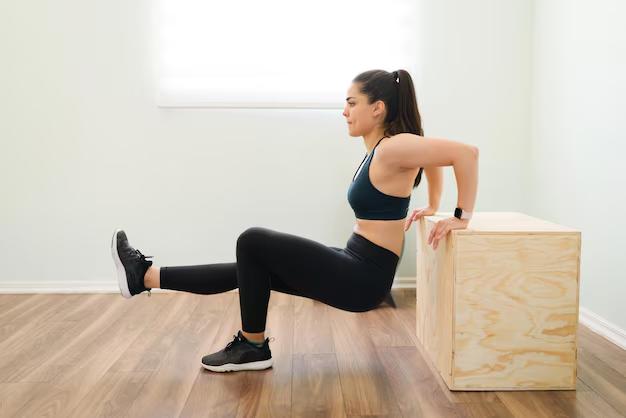
2. Triceps Dips

Triceps Dips Exercise

How to Perform:

  1. Use parallel bars, a sturdy bench, or even the edge of a couch for support.
  2. Place your hands shoulder-width apart and extend your legs out in front of you.
  3. Lower your body by bending your elbows to about a 90-degree angle.
  4. Push back up, fully extending your arms without locking the elbows.

Benefits:

Tricep Dips are a compound movement that not only isolates the triceps but also engages your chest and shoulders. They are versatile, requiring minimal equipment, and are excellent for building overall upper body strength.

Muscle Focus:

Dips work the long head of the triceps more effectively than most other exercises due to the overhead position of the arms, which stretches this portion of the muscle.

3. Triceps Kickbacks

Triceps Kickbacks Exercise

How to Perform:

  1. Hold a dumbbell in one hand and bend forward at the hips, keeping your back flat.
  2. Bend your elbow to 90 degrees, with your upper arm close to your torso.
  3. Extend your arm straight back, squeezing the triceps at the top.
  4. Slowly return to the starting position and repeat.

Benefits:

Triceps kickbacks are a highly effective isolation exercise. They target the triceps directly, making them ideal for fine-tuning definition and symmetry. You can easily adjust the weight to match your fitness level, making it suitable for beginners and advanced lifters alike.

Muscle Focus:

Kickbacks emphasize the lateral head of the triceps, helping create the coveted “horseshoe” shape that signifies well-developed arms.

How to Structure your Triceps Workout

Structuring a triceps workout effectively ensures balanced development and maximizes muscle activation. Start with compound exercises, like dips or close-grip bench presses, as these recruit the most muscle fibers and allow you to lift heavier weights when your energy is highest. Afterward, move to isolation exercises, like triceps pushdowns or kickbacks, to target specific parts of the muscle with precision.

Common mistakes with tricep exercises include overloading on isolation movements early in the session, which can exhaust smaller muscle fibers and limit your performance in compound exercises. Another pitfall is neglecting rest and recovery between sets; triceps are smaller muscles and need proper rest to sustain effort.

For the best results, aim for a mix of overhead movements (for the long head), pressing motions (for the lateral head), and close-grip exercises (for the medial head). Rotating these variations ensures well-rounded development and reduces the risk of overuse injuries.

3 Reasons Why you Should Focus on your Triceps

Training your triceps is essential for several reasons, whether you’re a casual gym-goer or a serious lifter.

Firstly, the triceps make up a significant portion of your upper arm. By training with the triceps exercises we mentioned above, you’ll improve overall arm size and definition, creating a more balanced and aesthetically pleasing physique. Strong triceps are key to achieving that “toned” look that many aim for.

Secondly, developing strong triceps betters your pushing power. The triceps are involved in almost every pressing movement, from push-ups to bench presses. A well-trained tricep improves performance in these exercises, helping you lift more weight and making other upper-body exercises more effective.

Lastly, strong triceps contribute to functional strength. Whether you’re pushing a heavy door, lifting boxes, or performing sports-related movements, having strong triceps improves your everyday ability to perform pushing motions with ease and reduces the risk of injury.

FAQ

Which tricep exercise is most effective?

The most effective triceps exercise depends on your goals. However, dips and close-grip bench presses are often considered top choices due to their ability to target multiple heads of the triceps with heavy resistance.

How do you hit all three tricep heads?

To target all three heads of the triceps, incorporate a variety of movements. Overhead exercises like triceps extensions hit the long head, while close-grip presses and dips focus on the lateral and medial heads. A well-rounded routine ensures balanced development.

Are 3 exercises enough for triceps?

Yes, three exercises can be enough, especially if they vary in movement patterns. For example, combining a compound movement (like dips), an overhead exercise (like triceps extensions), and an isolation movement (like pushdowns) can target all areas effectively.

How can I tone my triceps fast?

To tone the muscle quickly, focus on progressive overload—gradually increasing the weight or reps of the tricep exercises we mentioned. Consistency, along with a balanced diet and overall fat loss, will reveal leaner, more defined triceps over time.

Strength Programs >>

More Articles >>