Category: Articles

New Articles

Read all the new articles and Mathias Method Strength Blog Posts! Learn everything you need to know about how to get stronger in training and life!

All articles cover subjects such as strength training, diet and nutrition, health and wellness, motivation and inspiration and so much more!

All Articles >>

Search All Articles

More results...

Generic selectors
Exact Matches Only
Search Content Titles
Search All Content
Post Type Selectors

All New Articles and Blog Posts


Balancing Strength Training with Cardiovascular Workouts

Finding the right balance between strength training and cardiovascular workouts is key to achieving well-rounded fitness. Strength training builds muscle, increases metabolism, and supports overall health, while cardio improves heart health and enhances endurance. However, combining these two types of exercise in one routine can be challenging. Many people struggle with how much to focus on each type of workout, especially if they want to build muscle and maintain cardiovascular fitness. This article will help you understand how to balance strength and cardio effectively. We’ll cover the benefits of each, offer strategies for structuring a balanced weekly routine, and provide tips on choosing the right types of cardio. By understanding how to alternate intensity and timing, you can create a sustainable workout plan that improves your health, avoids burnout, and allows you to achieve your fitness goals.

Benefits of Strength Training with Cardiovascular Workouts

Strength training and cardiovascular workouts each offer unique benefits that contribute to overall fitness. Strength training increases muscle mass, enhances bone density, and boosts metabolism. A study published in the British Journal of Sports Medicine found that muscle-strengthening activities are associated with a 10–17% lower risk of all-cause mortality, cardiovascular disease, total cancer, diabetes, and lung cancer.  On the other hand, cardiovascular workouts, such as running or cycling, improve heart and lung function, enhance circulation, and support mental health. Regular cardio sessions effectively burn calories, increase endurance, and manage stress. Combining strength training with cardiovascular workouts can create a comprehensive fitness program supporting physical endurance and muscular strength, leading to a balanced and healthy lifestyle.

Cardio workouts improve heart and lung function and enhance circulation. Cardio workouts improve heart and lung function and enhance circulation.

Creating a Weekly Routine

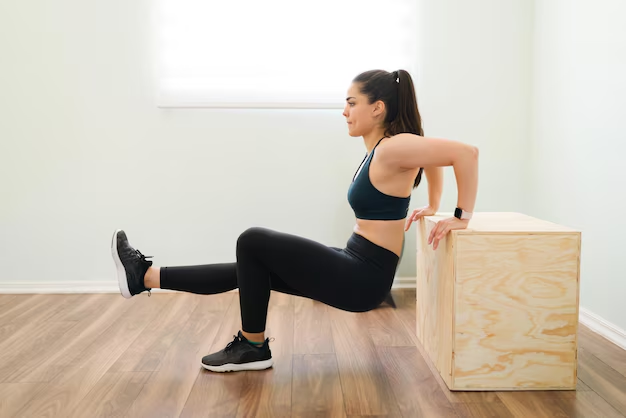
A well-structured weekly routine is essential for combining strength and cardio effectively. To get the benefits of each without overdoing it, start with a split that includes strength three days a week and cardio two or three times. For example, a routine with strength workouts on Monday, Wednesday, and Friday and cardio on Tuesday and Saturday provides balance. On strength days, focus on different muscle groups to prevent fatigue; you could focus on the upper body one day, the lower body the next, and a full-body workout later in the week. On cardio days, the intensity and type of exercise vary to keep things interesting and manageable. Recovery is just as important as training, so be sure to schedule rest days. Rest allows your muscles to be repaired, helping you make gains without risking overuse injuries or fatigue.

Balancing strength training with cardiovascular workouts is much easier with a structured weekly routine. Balancing strength training with cardiovascular workouts is much easier with a structured weekly routine.

Timing Cardio and Strength Workouts

The timing of cardio and strength workouts can significantly impact your performance and recovery. Separating cardio and strength training on different days is generally recommended for optimal results. This approach allows you to give each workout your full focus and energy. However, if you need to combine both on the same day, consider doing your strength training first, followed by cardio. Strength training requires a lot of energy, especially when lifting heavy weights, so doing it first ensures you can give it your best effort. Cardio afterward can serve as a cool-down and won’t interfere as much with muscle recovery. When scheduling your workouts, pay attention to how your body responds. If you find yourself fatigued or sore, you might need to adjust the intensity or frequency of your sessions. Listening to your body’s feedback will help you find the ideal timing.

Choosing the Right Type of Cardio for Your Goals

Selecting the right type of cardio is key to complementing your strength workouts. Low-intensity steady-state (LISS) cardio, like walking or light jogging, builds endurance without overly taxing your muscles. It is a good choice for cardio days following strength training since it doesn’t interfere with muscle recovery. If you’re aiming for overall cardiovascular health without impacting your lifting performance, LISS can be the cardio workout that works best for you. On the other hand, high-intensity interval training (HIIT) involves short bursts of intense exercise with brief rest periods. HIIT sessions are perfect for boosting metabolism and saving time, though they can be more taxing on the body. They’re ideal on non-lifting days to prevent muscle fatigue. Matching your cardio choice to your goals will help you maximize the benefits of strength training and cardiovascular workouts. It will allow you to reach peak fitness without overdoing it.

Walking or light jogging is good for building endurance without overly taxing your muscles. Walking or light jogging is good for building endurance without overly taxing your muscles.

Adjusting Intensity and Volume for Optimal Balance

You must carefully control your workouts’ intensity and volume to create a balanced routine. Alternate between high and moderate-intensity days to keep your workouts effective but manageable. For instance, you might perform a high-intensity strength workout one day, followed by a moderate-intensity cardio session the next day. By varying the intensity, you allow your body to recover while staying active. Volume control is also important; overloading high-intensity workouts can quickly lead to burnout and injury. A good rule of thumb is to limit high-intensity workouts, like heavy lifting, to two or three times per week. Additionally, it’s important to incorporate a periodization plan. This means you focus on strength gains for a few weeks before switching to more cardio. It can keep your workouts engaging and effective. Pay attention to signs of overtraining, like prolonged soreness or trouble sleeping, to know when to dial back.

In Conclusion

Balancing strength training with cardiovascular workouts is a powerful approach that supports comprehensive fitness goals. With a well-rounded weekly routine that includes the right types, timing, and intensity of each workout, you can effectively build muscle, increase endurance, and improve cardiovascular health without risking overtraining or fatigue. This balance helps you achieve short-term fitness gains and sustainable, long-term progress. By paying attention to how your body responds, making adjustments as needed, and exploring different types of cardio and strength exercises, you can create a plan that fits seamlessly into your lifestyle. Embracing a balanced approach supports your physical health and boosts mental clarity, energy levels, and resilience. So, whether you’re new to fitness or aiming to elevate your current routine, a thoughtful mix of strength and cardio will keep you on track for years of rewarding, well-rounded health and fitness progress.

Strength Programs >>

More Articles >>

Building the Ultimate Home Gym: A Guide to Creating Your Perfect Workout Space

Creating a home gym is one of the best investments you can make for your fitness and overall health. Not only does it provide the convenience of working out on your own schedule, but it also eliminates the hassle of gym memberships and commuting. A home gym allows you to tailor your workout environment to fit your needs, style, and goals—whether you’re into strength training, cardio, or flexibility.

While the thought of building a home gym might seem overwhelming, it’s easier than you think. With some careful planning and strategic purchases, you can create an effective, motivating space that suits your budget and lifestyle. This guide will walk you through the key considerations for setting up the ultimate home gym, ensuring you have everything you need to succeed.

Why Invest in a Home Gym?

Working out at home offers numerous benefits beyond convenience. According to a study by the American College of Sports Medicine, the number of people engaging in home-based workouts has increased by over 40% in recent years. But this surge isn’t just about convenience—it’s about creating a personal space that motivates and inspires you.

A home gym allows for:

  • Flexibility: Work out on your own schedule, without worrying about gym hours or wait times for equipment.
  • Personalization: Tailor the space to your specific fitness needs, whether that’s weightlifting, yoga, or HIIT.
  • Cost-effectiveness: While there’s an initial investment, a home gym can save you money in the long run by eliminating membership fees and travel costs.

The ability to create a workout environment that is comfortable and motivating is one of the biggest advantages of having your own gym. Plus, you can add personal touches, such as neon name signs, to give the space character and make it feel like your own dedicated fitness zone.

Choosing the Right Space

Before purchasing any equipment, it’s essential to select the right space for your gym. This will depend on the available room in your home and the type of workouts you plan to do. Whether it’s a spare room, basement, garage, or even a corner of your living room, the space should be large enough to accommodate your equipment and allow for free movement.

When deciding on your gym space, keep the following considerations in mind:

  • Flooring: Choose durable, non-slip flooring that can handle heavy weights and high-impact exercises. Rubber flooring or foam tiles are great options for shock absorption.
  • Ventilation: Proper ventilation is crucial, especially if you plan to do intense workouts. Make sure there’s enough airflow to keep the room cool and fresh.
  • Lighting: Bright lighting is important for visibility and energy. If natural light is an option, take advantage of it to make the space feel open and inviting.

Essential Equipment for the Ultimate Home Gym

Once you’ve chosen the perfect space, it’s time to think about equipment. The key to building a versatile home gym is to invest in equipment that supports a wide range of exercises without taking up too much space. Here’s a list of essential pieces to get you started:

1. Adjustable Dumbbells

Dumbbells are one of the most versatile pieces of equipment you can have in a home gym. They allow you to target multiple muscle groups, making them ideal for strength training. Opt for adjustable dumbbells, which save space and offer a wide range of weight options in one set.

2. Barbell and Weight Plates

If you’re serious about strength training, a barbell and a set of weight plates are non-negotiable. Look for an Olympic barbell and bumper plates for durability. This setup will allow you to perform exercises like squats, deadlifts, and bench presses.

3. Resistance Bands

Resistance bands are a low-cost, space-saving addition to any home gym. They’re great for building strength, improving mobility, and adding variety to your workouts. Plus, they’re portable, making them ideal for travel workouts.

4. Adjustable Bench

An adjustable bench allows you to perform a variety of exercises at different angles, such as bench press, rows, and step-ups. It’s a versatile piece of equipment that complements both dumbbells and barbells.

5. Cardio Machine

Depending on your space and budget, adding a cardio machine like a treadmill, rowing machine, or stationary bike can boost your endurance and cardiovascular health. Choose a machine that fits your workout preferences and doesn’t overwhelm the room.

6. Pull-Up Bar

A pull-up bar is a simple but effective tool for upper body strength. Many options are available, from door-mounted bars to free-standing rigs.

7. Yoga Mat

Whether you’re doing bodyweight exercises, stretching, or practicing yoga, a high-quality mat will provide comfort and stability during your workout.

Personalizing Your Home Gym

Once you have the essential equipment in place, it’s time to personalize your gym. A well-designed space can motivate you to stick to your fitness routine and make your workouts more enjoyable. Here are some tips for making your home gym feel inspiring:

  1. Decorate with motivational posters: Surround yourself with quotes or images that inspire you to push harder and stay consistent.
  2. Install a large mirror: Not only does a mirror make the space look larger, but it also helps with form correction during exercises.
  3. Create storage solutions: Keep your space tidy by investing in storage racks for weights and other equipment. This prevents clutter and allows you to easily access what you need. For small accessories and delicate electronics, add a labeled, stackable custom soft case to protect timers, cameras, wraps, bands, and cable attachments—keeping everything organized and ready for grab‑and‑go sessions in your home gym.
  4. Add ambiance: Lighting can make a big difference. Consider installing bright, functional lights for workouts, but also add softer lighting, such as string lights, for a more relaxed atmosphere during cooldowns.
  5. Personalize with custom touches: For a unique touch, consider incorporating neon name signs that display your name or a motivational phrase. Not only does this add character, but it also makes your gym feel truly your own.

Making the Most of Small Spaces

You don’t need a huge space to create an effective home gym. Even in a small room, you can get a great workout if you’re strategic about equipment and layout. The key is to focus on multifunctional equipment that offers versatility without taking up too much room.

For example, adjustable dumbbells, a compact weight bench, and resistance bands are all space-efficient tools that offer a full-body workout. Consider using vertical storage racks to keep your weights organized, or choose foldable equipment that can be tucked away when not in use.

In smaller spaces, it’s also essential to keep the layout functional. Arrange your equipment in a way that allows for clear movement, and use the walls for mirrors or storage to maximize floor space.

The Cost of Building a Home Gym

While building a home gym requires an upfront investment, it can save you money in the long run compared to monthly gym memberships and travel expenses. The cost will vary depending on the equipment you choose, but it’s possible to build an effective gym on almost any budget.

A basic setup with essentials like adjustable dumbbells, resistance bands, and a pull-up bar can cost as little as $500. However, for a more comprehensive setup with a barbell, weight plates, and a cardio machine, expect to spend upwards of $1,500 to $3,000.

Regardless of your budget, focus on purchasing high-quality equipment that will last. Over time, your home gym will pay for itself through the convenience and savings it provides.

Conclusion: A Gym Tailored to You

Building the ultimate home gym is about more than just assembling equipment—it’s about creating a space that motivates and inspires you to reach your fitness goals. Whether you’re lifting weights, doing yoga, or just starting your fitness journey, a personalized home gym allows you to work out on your own terms.

By choosing versatile equipment, optimizing your space, and adding personal touches like neon name signs, you can transform any room in your home into a dynamic fitness haven. As long as you stay consistent, your home gym will serve as the foundation for a healthier, stronger you.

Strength Programs >>

More Articles >>

Men’s Workout Outfit Ideas: 4 Gym Looks to Try Right Now!

Once upon a time, a pair of heavy sweatpants and a few stained vest singlets made up men’s gym wardrobe. Those outfits weren’t versatile for sure. The good thing is that we are no longer in this athletic doldrum. Gym gear today is aerodynamic, sweat-wicking, and, of course, good to look at. And what’s great is that they don’t even cost an arm and a leg. Surprisingly, many brands sell high-quality gym wear at quite affordable rates. 

So, do you wish to level up your gym look? Here, we’ve rounded up some stylish and practical men’s workout outfit ideas that will keep you looking good while you break a sweat. 

#1 Classic Tank Top with Athletic Shorts

The classic tank top and athletic shorts combo are a tried-and-true workout staple. This combo is simple, comfortable, and perfect for nearly any type of workout.

Tank tops give your arms the freedom to move and keep you cool when you break a sweat. Recently, Lenny Kravitz was spotted wearing a mesh tank top while lifting weights in a gym. 

Whether you’re lifting weights or running sprints, a tank helps you stay ventilated. Plus, if you’ve been working on your upper body, it’s a nice way to show off those gains. 

The trick is finding the right top, however. Men’s Health advises opting for cooling and comfortable clothes that are neither too flashy nor tight. 

Athletic shorts, on the other hand, offer the perfect balance between mobility and coverage. 

Mid-length shorts—around seven to nine inches—give plenty of room to move without feeling too revealing or restrictive.  

Together, this combo is light, breathable, and effortless. It’s the no-fuss option when you just want to focus on your workout and still look good doing it. 

#2 The Minimalist All-Black Ensemble

Nothing beats an all-black workout outfit if you’re aiming for that effortlessly cool, minimalistic look. 

Black is timeless, and it has that slimming effect. It also hides sweat stains better than most colors, so even during the toughest workout, you stay looking fresh. That is why it’s a go-to for anyone who likes a clean, modern look. Tom Hiddleston was once spotted in an all-black ensemble on a jog while in Australia. 

Pair black gym t-shirts with black joggers or shorts for a streamlined look that’s both stylish and functional. 

Finish the ensemble with a solid pair of black sneakers for a sleek, monochromatic vibe. Bonus points if your shoes have subtle reflective elements for those late-evening runs. 

Throw in some black compression gear, like sleeves or socks, to keep the look sharp. 

When it comes to workout t-shirts, consider synthetic, moisture-wicking fabrics like polyester. These fabrics don’t bleed, and they are hard to discolor. 

Tech Essential is one fabric that you can consider. This fabric, in particular, is designed for gym training. It features a blend of cotton and polyester, so it’s soft-to-the-touch and breathable, says ASRV. On top of that, it’s anti-odor and sweat-wicking. 

#3 Hoodies and Joggers for Athleisure Vibes

Athleisure is all about combining workout gear with streetwear, and it’s a trend that’s here to stay. 

Hoodies and joggers are the ultimate duo when it comes to nailing those athleisure vibes. A simple hoodie and joggers can take you from the gym to errands without missing a beat. This combo perfectly balances comfort, style, and functionality.  

For cooler days or pre-run warm-ups, opt for a lightweight, fitted hoodie. It’s breathable enough for post-workout wear without feeling too bulky. 

Maverick Li, a former Style & Commerce Editor of Men’s Health, advises men to look for hoodies made from Terry cloth, cotton fleece, or a cotton-polyester blend. These materials will keep you warm as well as comfortable. 

In regard to joggers, pick slim-fit ones. They are less bulky and more streamlined. Finish off with sleek trainers for that polished, casual look. 

#4 The Retro Tracksuit

Retro-style tracksuits are making a comeback. 

Ari Serrano, 30, the host of What New York Wears, told the New York Post that he had noted an uptick of people wearing tracksuits in the gym. When he sees somebody wearing a tracksuit, he believes they take their workouts seriously. 

Tracksuits make for great outdoor running gear when it’s chilly. You can wear the jacket zipped up for a sleek, fitted look or leave it open with a T-shirt underneath for a more relaxed vibe.

The best part? They are a full outfit in one. No need to worry about matching pieces—just throw on your tracksuit and a pair of fresh sneakers, and you’re ready to go. It’s functional, stylish, and perfect for anyone who loves a little old-school flair in their workout wardrobe.

Ready To Go Workout In Style?

There you have it! Five men’s workout outfit ideas to inspire your next gym session. Whether you’re into sleek all-black looks or prefer athleisure vibes, these workout outfit ideas will help you refresh your gym wardrobe. So, ready to hit the gym in style?

Shop Gym Wear >>

Strength Programs >>

More Articles >>

How to Become a Fitness Instructor

In today’s health-conscious society, the role of a fitness instructor has never been more vital. Whether you’re motivated by a personal passion for fitness or inspired to help others achieve their health goals, becoming a fitness instructor is a rewarding and dynamic career choice. This article will guide you through the steps to becoming a fitness instructor, from acquiring the necessary qualifications to finding Jobs in Fitness Instructing.

Understanding the Role

A fitness instructor’s primary responsibility is to design and implement exercise programs that help clients achieve their fitness goals. This role can vary significantly depending on the setting—whether it be a gym, fitness center, private practice, or corporate environment. Key responsibilities often include:

  • Assessing clients’ fitness levels and health conditions.
  • Creating personalized fitness plans.
  • Demonstrating and teaching proper exercise technique.
  • Motivating and supporting clients to maintain their fitness regimes.
  • Monitoring clients’ progress and adjusting programs as needed.

Educational Requirements

While passion and personal fitness can take you far, formal education and certification are crucial for a successful career in fitness instructing. Here’s what you need to know about the educational requirements:

High School Diploma or Equivalent

The journey typically starts with a high school diploma or equivalent. Basic knowledge of biology, physical education, and health can be beneficial.

Postsecondary Education

Although not always required, pursuing a degree in exercise science, kinesiology, physical education, or a related field can provide a solid foundation and make you more competitive in the job market. These programs cover essential topics like anatomy, physiology, nutrition, and biomechanics.

Certification

Certification is a must-have for fitness instructors. It validates your expertise and assures clients of your professionalism and commitment. Several organizations offer certification programs, and the choice may depend on your specific interests and career goals.

Popular Certification Bodies

  1. American Council on Exercise (ACE)
  2. National Academy of Sports Medicine (NASM)
  3. American College of Sports Medicine (ACSM)
  4. National Strength and Conditioning Association (NSCA)

Each organization has its own requirements, including exams and continuing education.

Specializations

To stand out in the competitive fitness industry, consider specializing in a particular area. Specializations can include:

  • Personal Training: One-on-one training tailored to individual clients.
  • Group Fitness: Leading exercise classes for groups, such as aerobics, spinning, or Zumba.
  • Strength and Conditioning: Focused on improving athletic performance.
  • Yoga or Pilates: Teaching these specific disciplines.
  • Special Populations: Working with seniors, children, or clients with specific health conditions.

Practical Experience

Hands-on experience is invaluable in the fitness industry. Many certification programs require a certain number of practical hours. You can gain this experience through:

  • Internships: Often part of degree programs, internships provide real-world experience.
  • Entry-Level Jobs: Positions like gym assistant or fitness class assistant can offer a foot in the door.
  • Volunteering: Volunteering at community centers or local gyms can also build experience and networks.

Skills and Attributes

Successful fitness instructors possess a mix of technical knowledge and personal attributes. Key skills and qualities include:

  • Communication Skills: The ability to convey instructions clearly and motivate clients.
  • Interpersonal Skills: Building rapport with clients is crucial.
  • Analytical Skills: Assessing clients’ needs and progress to adjust programs.
  • Physical Fitness: Maintaining your own fitness to demonstrate exercises effectively.
  • Patience and Empathy: Understanding and supporting clients through their fitness journey.

Finding Jobs in Fitness Instructing

Once you’re certified and experienced, the next step is to find the right job. There are various avenues to explore when searching for Jobs in Fitness Instructing.

Online Job Portals

Websites like Active Careers list numerous fitness instructor positions. These platforms allow you to filter jobs based on location, specialization, and other preferences.

Networking

Networking is powerful in the fitness industry. Attend industry events, join professional organizations, and connect with fellow instructors and fitness professionals.

Local Gyms and Fitness Centers

Directly approaching local gyms and fitness centers can be effective. Many establishments prefer hiring instructors who show initiative and have a personal interest in their facilities.

Social Media

Leverage social media platforms to showcase your expertise. Platforms like LinkedIn, Instagram, and Facebook can help you connect with potential employers and clients.

Building Your Brand

In the digital age, personal branding is essential for fitness instructors. Creating an online presence can attract clients and employers alike.

Social Media Presence

Share fitness tips, workout videos, and client success stories on social media. This not only demonstrates your expertise but also engages potential clients.

Website and Blog

A professional website with a blog can showcase your knowledge and services. Regularly updating your blog with fitness-related content can boost your online visibility.

Testimonials and Reviews

Encourage satisfied clients to leave testimonials and reviews. Positive feedback can significantly enhance your credibility and attract new clients.

Continuing Education

The fitness industry continually evolves, with new research and trends regularly emerging. Staying updated through continuing education is crucial.

Advanced Certifications

Pursue advanced certifications to deepen your expertise and open up new career opportunities.

Workshops and Seminars

Attend workshops, seminars, and conferences to learn about the latest trends and techniques in fitness training.

Online Courses

Many institutions offer online courses in various fitness-related topics. These can be a convenient way to continue learning without disrupting your work schedule.

Conclusion

Becoming a fitness instructor requires dedication, education, and a passion for helping others achieve their fitness goals. By following the steps outlined in this article—understanding the role, obtaining the necessary education and certification, gaining practical experience, and continually updating your knowledge—you can build a successful career in fitness instructing. As you embark on this journey, remember to leverage resources like Jobs in Fitness Instructing to find opportunities that align with your career aspirations. Whether you’re just starting or looking to advance your career, the fitness industry offers a dynamic and rewarding path for those committed to promoting health and wellness.

Strength Programs >>

More Articles >>

Ready, Set, Grip | The Ultimate Beginner’s Guide to Armwrestling

Are you ready to flex those muscles and engage in one of the most intense and exhilarating sports around? Welcome to the world of armwrestling! Whether you’re a fitness enthusiast looking for a new challenge or a complete beginner fascinated by the sheer power and technique involved, this guide will help you get started on your armwrestling journey.

In this blog post, we’ll explore the basics of armwrestling, provide essential tips for beginners, and share insights into the techniques and strategies used by the pros. By the end, you’ll be well-equipped to grip, pull, and pin like a pro. Let’s get started!

What is Armwrestling?

Armwrestling is more than just a test of strength; it’s a sport that combines technique, mental toughness, and strategy. Two opponents face off, each gripping the other’s hand with their elbows placed firmly on a flat surface. The goal is to pin the opponent’s arm onto the surface, demonstrating superior strength and technique. Check out this armwrestling blog to get a better idea of the basics behind it!

Origins and Evolution

The origins of armwrestling can be traced back to ancient Egypt, where it was depicted in tomb paintings. Over centuries, it evolved into a formal sport with organized competitions and dedicated athletes. Today, armwrestling has a global following, with events ranging from local tournaments to international championships.

Basic Rules and Etiquette

Understanding the basic rules and etiquette of armwrestling is crucial for beginners. Here’s a quick rundown:

  • Both competitors must keep their elbows on the designated pad.
  • The match starts on the referee’s signal.
  • No body contact or using the other hand for leverage.
  • Matches are typically best out of three rounds.

Respecting your opponent and adhering to these rules ensures a fair and enjoyable match for everyone involved.

Benefits of Armwrestling

Engaging in armwrestling offers numerous benefits beyond the obvious physical gains. Let’s take a look at some of the key advantages:

Physical Strength and Endurance

Armwrestling is a fantastic way to build upper body strength, particularly in the arms, shoulders, and chest. The resistance and effort required during matches help improve muscle endurance and overall physical conditioning.

Mental Toughness and Focus

Successfully pinning your opponent requires mental fortitude and focus. Armwrestling teaches you to stay calm under pressure, strategize effectively, and push through physical and mental barriers.

Social Interaction and Community

Participating in armwrestling events and competitions allows you to connect with like-minded individuals who share your passion for the sport. The camaraderie and support within the armwrestling community are truly unparalleled.

Essential Armwrestling Techniques

To excel in armwrestling, mastering basic techniques is essential. Here are some fundamental moves to get you started:

The Toproll

The toproll is a popular technique that involves turning your opponent’s wrist and hand inwards, forcing their arm into a weaker position. This move requires a combination of wrist strength and leverage.

The Hook

The hook technique focuses on pulling your opponent’s arm towards your body while maintaining a tight grip. This move relies on bicep strength and proper body positioning.

The Press

The press involves using your body’s weight to apply downward pressure on your opponent’s arm. This technique requires strong triceps and shoulder muscles.

Tips for Perfecting Your Technique

  • Practice regularly with different opponents to refine your skills.
  • Focus on strengthening your wrist, forearm, and bicep muscles.
  • Pay attention to your body positioning and leverage during matches.

Training and Conditioning for Armwrestling

To become a formidable armwrestler, dedicating time to training and conditioning is crucial. Here’s a comprehensive training plan for beginners:

Strength Training Exercises

Incorporate exercises that target your armwrestling muscles into your routine:

Flexibility and Mobility

Maintaining flexibility and mobility is essential for preventing injuries and improving performance. Include stretching exercises that target your arms, shoulders, and wrists in your training regimen.

Endurance and Stamina

Building stamina is crucial for enduring long matches. Incorporate cardiovascular exercises such as running, cycling, or swimming to enhance your overall endurance.

Nutrition and Recovery

Proper nutrition and recovery play a vital role in optimizing your armwrestling performance. Here are some key tips:

Balanced Diet

Consume a balanced diet that includes lean proteins, complex carbohydrates, and healthy fats. Focus on nutrient-dense foods that provide sustained energy and support muscle growth.

Hydration

Staying hydrated is essential for maintaining muscle function and preventing cramps. Drink plenty of water throughout the day, especially before and after training sessions.

Rest and Recovery

Allow your muscles sufficient time to recover between training sessions. Incorporate rest days into your routine and prioritize quality sleep to support muscle repair and growth.

Finding Armwrestling Competitions

Ready to put your skills to the test in a competitive setting? Here are some tips for finding armwrestling competitions:

Local Tournaments

Check with local gyms, community centers, and sports clubs for information on upcoming armwrestling tournaments. Participating in local events is a great way to gain experience and connect with fellow enthusiasts.

Online Resources

Explore online platforms and forums dedicated to armwrestling for information on regional and national competitions. Websites like the World Armwrestling Federation and Armwrestling USA provide valuable event listings and updates.

Joining Armwrestling Clubs

Consider joining an armwrestling club or team to gain access to regular training sessions, expert coaching, and competitive opportunities. Clubs often host their own events and provide a supportive environment for skill development.

Common Misconceptions About Armwrestling

Armwrestling is often misunderstood due to misconceptions and myths. Let’s debunk some common myths:

It’s All About Strength

While strength is important, technique, leverage, and mental strategy play equally crucial roles in armwrestling success. Properly executing techniques can outmatch raw strength.

It’s Unsafe

When practiced with proper form and adherence to rules, armwrestling is a safe sport. Injuries can be minimized through proper training, warm-up, and listening to your body.

It’s Only for Men

Armwrestling is a sport for everyone, regardless of gender. Women have excelled in the sport and continue to make significant contributions to the armwrestling community.

Building Confidence and Overcoming Challenges

Starting a new sport can be intimidating, but building confidence and overcoming challenges is part of the process. Here are some tips:

Set Realistic Goals

Set achievable goals for your armwrestling journey. Celebrate small victories along the way and stay motivated by tracking your progress.

Seek Guidance

Don’t hesitate to seek guidance from experienced armwrestlers and coaches. Learning from others’ experiences can accelerate your growth and improve your technique.

Stay Positive

Maintain a positive mindset and focus on continuous improvement. Challenges and setbacks are natural, but a positive attitude will keep you motivated and determined.

Staying Informed and Engaged

To stay informed and engaged in the world of armwrestling, consider the following:

Follow Armwrestling News

Stay updated with the latest news, events, and developments in the armwrestling world by following reputable sources and websites. Keeping informed about the sport’s trends and advancements enhances your understanding and excitement.

Join Online Communities

Join online forums, social media groups, and communities dedicated to armwrestling. Engage in discussions, share your experiences, and connect with fellow enthusiasts who share your passion.

Attend Workshops and Seminars

Participate in workshops, seminars, and training sessions organized by experienced armwrestlers and coaches. Learning from experts firsthand can provide valuable insights and enhance your skills.

Congratulations! You’ve reached the end of our beginner’s guide to armwrestling. We hope this comprehensive resource has equipped you with the knowledge and motivation to embark on your armwrestling journey. Remember, armwrestling is not just about strength; it’s about technique, strategy, and mental toughness. By following the tips and insights shared in this guide, you’ll be well on your way to becoming a confident and skilled armwrestler.

If you’re ready to take your armwrestling skills to the next level, consider joining our exclusive community of enthusiasts. Sign up today and gain access to expert tips, training resources, and exciting competitions. The world of armwrestling awaits—grip, pull, and pin your way to greatness!

Happy armwrestling!

Strength Programs >>

More Articles >>