Tag: Build Muscle

Top 3 Best Tricep Exercises | Science Based

When it comes to building strong, defined triceps, everyone seems to have their favourite tricep exercises. Personally, I’m a huge fan of movements that hit all parts of the muscle—triceps push-ups, dips, and triceps kickbacks are some of the best in my book. Each of these tricep exercises is backed by science and effective at engaging the muscle in different ways, helping you develop strength, size, and definition.

What Are the Triceps?

The triceps brachii, or simply “triceps,” is the large muscle located on the back of your upper arm. It plays a critical role in arm extension, helping you straighten your elbow and perform pushing movements. Understanding the anatomy of this muscle can help you pick and understand tricep exercises better. The triceps consist of three distinct parts:

Long Head

The long head originates from the scapula (shoulder blade) and spans across the shoulder and elbow joints. This part is responsible for arm extension and shoulder stabilization. It contributes to the bulk of the upper arm, particularly when viewed from the side.

Lateral Head

The lateral head is located on the outer side of the upper arm. It is highly active during heavy pressing movements and gives the triceps its characteristic “horseshoe” shape.

Medial Head

The medial head lies beneath the other two and is positioned closer to the inner arm. Though less visible, it plays a crucial role in overall arm stability and endurance during repetitive movements.

How to Target a Specific Part of the Triceps

Targeting specific parts of the triceps with exercises—the long head, lateral head, or medial head—comes down to arm and elbow positioning. Each variation emphasizes different portions of the muscle, allowing for focused development.

Arm Position

Exercises with the arms overhead, such as overhead triceps extensions, stretch and engage the long head more because of its connection to the scapula. This creates a greater range of motion for this portion of the muscle.

Elbow Positioning

Keeping the elbows close to the torso during movements like triceps pushdowns emphasizes the medial head. In contrast, flaring the elbows slightly outward during pressing exercises shifts more effort to the lateral head, which is highly activated during heavy, compound movements.

Top 3 Best Science-Based Triceps Exercises

When it comes to building strong, defined triceps, science can help guide your efforts. The American Council on Exercise (ACE) conducted a study to determine which triceps exercises are the most effective. Their research used electromyography (EMG) to measure muscle activation, revealing the top three exercises for targeting the triceps: triceps push-ups, dips, and triceps kickbacks. Here’s a detailed breakdown of these exercises, including how to perform them, the benefits, and which part of the triceps they work.

1. Triceps Push-Ups

Triceps Push-Ups Exercise

How to Perform:

  1. Start in a high plank position with your hands directly under your shoulders.
  2. Keep your body in a straight line from head to heels.
  3. Lower yourself toward the floor, keeping your elbows close to your body.
  4. Push back up to the starting position, maintaining core engagement throughout.

Benefits:

Triceps push-ups are a powerhouse for building strength because they rely solely on your body weight. This exercise also improves core stability and upper body strength while keeping the shoulder joint stable.

Muscle Focus:

By keeping your elbows tucked in, this triceps exercise primarily targets the medial and lateral heads of the triceps, ensuring balanced development.

2. Triceps Dips
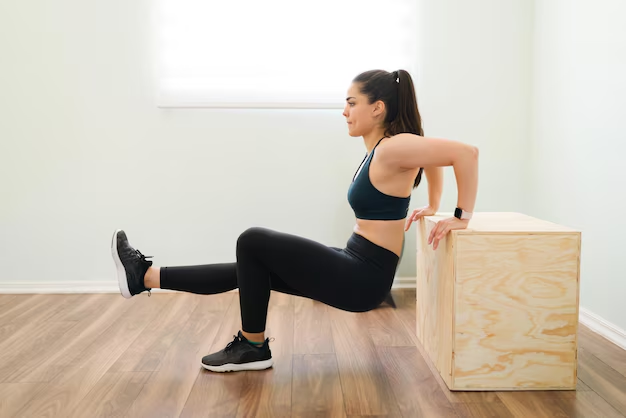
Triceps Dips Exercise

How to Perform:

  1. Use parallel bars, a sturdy bench, or even the edge of a couch for support.
  2. Place your hands shoulder-width apart and extend your legs out in front of you.
  3. Lower your body by bending your elbows to about a 90-degree angle.
  4. Push back up, fully extending your arms without locking the elbows.

Benefits:

Tricep Dips are a compound movement that not only isolates the triceps but also engages your chest and shoulders. They are versatile, requiring minimal equipment, and are excellent for building overall upper body strength.

Muscle Focus:

Dips work the long head of the triceps more effectively than most other exercises due to the overhead position of the arms, which stretches this portion of the muscle.

3. Triceps Kickbacks

Triceps Kickbacks Exercise

How to Perform:

  1. Hold a dumbbell in one hand and bend forward at the hips, keeping your back flat.
  2. Bend your elbow to 90 degrees, with your upper arm close to your torso.
  3. Extend your arm straight back, squeezing the triceps at the top.
  4. Slowly return to the starting position and repeat.

Benefits:

Triceps kickbacks are a highly effective isolation exercise. They target the triceps directly, making them ideal for fine-tuning definition and symmetry. You can easily adjust the weight to match your fitness level, making it suitable for beginners and advanced lifters alike.

Muscle Focus:

Kickbacks emphasize the lateral head of the triceps, helping create the coveted “horseshoe” shape that signifies well-developed arms.

How to Structure your Triceps Workout

Structuring a triceps workout effectively ensures balanced development and maximizes muscle activation. Start with compound exercises, like dips or close-grip bench presses, as these recruit the most muscle fibers and allow you to lift heavier weights when your energy is highest. Afterward, move to isolation exercises, like triceps pushdowns or kickbacks, to target specific parts of the muscle with precision.

Common mistakes with tricep exercises include overloading on isolation movements early in the session, which can exhaust smaller muscle fibers and limit your performance in compound exercises. Another pitfall is neglecting rest and recovery between sets; triceps are smaller muscles and need proper rest to sustain effort.

For the best results, aim for a mix of overhead movements (for the long head), pressing motions (for the lateral head), and close-grip exercises (for the medial head). Rotating these variations ensures well-rounded development and reduces the risk of overuse injuries.

3 Reasons Why you Should Focus on your Triceps

Training your triceps is essential for several reasons, whether you’re a casual gym-goer or a serious lifter.

Firstly, the triceps make up a significant portion of your upper arm. By training with the triceps exercises we mentioned above, you’ll improve overall arm size and definition, creating a more balanced and aesthetically pleasing physique. Strong triceps are key to achieving that “toned” look that many aim for.

Secondly, developing strong triceps betters your pushing power. The triceps are involved in almost every pressing movement, from push-ups to bench presses. A well-trained tricep improves performance in these exercises, helping you lift more weight and making other upper-body exercises more effective.

Lastly, strong triceps contribute to functional strength. Whether you’re pushing a heavy door, lifting boxes, or performing sports-related movements, having strong triceps improves your everyday ability to perform pushing motions with ease and reduces the risk of injury.

FAQ

Which tricep exercise is most effective?

The most effective triceps exercise depends on your goals. However, dips and close-grip bench presses are often considered top choices due to their ability to target multiple heads of the triceps with heavy resistance.

How do you hit all three tricep heads?

To target all three heads of the triceps, incorporate a variety of movements. Overhead exercises like triceps extensions hit the long head, while close-grip presses and dips focus on the lateral and medial heads. A well-rounded routine ensures balanced development.

Are 3 exercises enough for triceps?

Yes, three exercises can be enough, especially if they vary in movement patterns. For example, combining a compound movement (like dips), an overhead exercise (like triceps extensions), and an isolation movement (like pushdowns) can target all areas effectively.

How can I tone my triceps fast?

To tone the muscle quickly, focus on progressive overload—gradually increasing the weight or reps of the tricep exercises we mentioned. Consistency, along with a balanced diet and overall fat loss, will reveal leaner, more defined triceps over time.

Strength Programs >>

More Articles >>

Tips for Building Muscle

Building muscle is a goal for many people, whether for improving athletic performance, enhancing physical appearance, or boosting overall health. Muscle building involves more than just lifting weights; it requires a comprehensive approach that includes proper nutrition, consistent exercise, and adequate recovery. Incorporating advanced tools like the HIFEM Machine can further elevate results by delivering targeted electromagnetic stimulation to build muscle and enhance tone in ways traditional workouts may miss. By following the right strategies, anyone can achieve significant muscle growth and strength gains. This article will provide practical tips for effectively building muscle, helping you to maximize your efforts and see better results.

Set Clear Goals

Setting clear, specific goals is crucial when embarking on a muscle-building journey. Goals help to focus your efforts, track your progress, and keep you motivated. Without a clear target, it can be easy to lose direction and become discouraged. Start by identifying what you want to achieve. Do you want to increase overall muscle mass, improve strength in specific areas, or enhance your endurance?

Once you have a general idea, break it down into smaller, measurable goals. For example, if your overall goal is to gain muscle mass, you might set a target of gaining one pound of muscle per month. This gives you a clear benchmark to aim for and helps you monitor your progress over time. Remember to set realistic expectations. Building muscle is a gradual process that requires patience and consistency. By setting achievable goals, you can stay motivated and committed to your muscle-building plan.

Educate Yourself

Educating yourself about muscle-building techniques and principles is essential for success. Understanding how muscles grow and the types of exercises that promote growth can help you create an effective workout plan. Additionally, knowledge about nutrition, recovery, and the science behind muscle building can enhance your results.

Interestingly, broadening your knowledge base can also include non-fitness-related topics. For instance, researching topics like muscle anatomy or even looking into counseling degrees online can provide valuable insights into mental resilience and discipline. These skills are crucial for staying motivated and overcoming obstacles in your fitness journey. The more informed you are, the better equipped you’ll be to make smart decisions about your workouts and overall fitness strategy.

Follow a Structured Workout Plan

A structured workout plan is a cornerstone of effective muscle building. Randomly lifting weights without a clear plan can lead to inconsistent results and increase the risk of injury. A well-designed workout plan ensures that all muscle groups are targeted systematically and that you progressively overload your muscles to stimulate growth.

Your workout plan should include a mix of exercises, focusing on both compound and isolation movements. Compound exercises, such as squats, deadlifts, and bench presses, engage multiple muscle groups and are highly effective for building overall strength and mass. Isolation exercises, like bicep curls and leg extensions, target specific muscles for more detailed development.

Consistency is key. Follow your workout plan diligently, aiming to exercise each muscle group at least twice a week. Make sure to track your progress, noting any increases in weight, reps, or sets, and adjust your plan as needed to continue challenging your muscles.

Focus on Compound Movements

Compound movements are essential for building muscle efficiently. These exercises involve multiple joints and muscle groups, allowing you to lift heavier weights and stimulate more muscle fibers compared to isolation exercises. Incorporating compound movements into your workout routine can lead to faster and more balanced muscle growth.

Some of the most effective compound exercises include squats, deadlifts, bench presses, overhead presses, and pull-ups. Squats and deadlifts, for example, engage the legs, core, and lower back, promoting significant strength and muscle gains. Bench presses and overhead presses work the chest, shoulders, and triceps, while pull-ups target the back and biceps.

Focusing on compound movements helps you build a strong foundation of muscle and strength. These exercises should form the core of your workout routine, complemented by isolation exercises for targeted muscle development.

Prioritize Protein Intake

Protein is a crucial nutrient for muscle repair and growth. When you exercise, especially during weightlifting, you create small tears in your muscle fibers. Protein helps repair these tears, leading to muscle growth and increased strength. Ensuring adequate protein intake is essential for maximizing your muscle-building efforts.

Aim to consume a source of protein with every meal and snack. Good sources of protein include chicken, fish, eggs, dairy products, legumes, and nuts. Timing is also important. Consuming protein-rich meals or snacks around your workouts can enhance muscle recovery and growth. Aim to have a protein shake or a protein-rich snack within 30 minutes to an hour after your workout to support muscle repair and growth.

Get Enough Rest and Recovery

Rest and recovery are critical components of any muscle-building program. When you exercise, especially during intense weightlifting sessions, you cause small tears in your muscle fibers. Without adequate rest, your muscles cannot recover properly, which can lead to overtraining, fatigue, and injury.

Aim for at least 7-9 hours of sleep each night, as sleep is when your body performs most of its recovery and repair processes. Additionally, incorporate rest days into your workout routine. These days allow your muscles to recover and prepare for the next workout. Overtraining can hinder progress and increase the risk of injury, so it’s crucial to listen to your body and give it the rest it needs.

Stay Hydrated

Hydration plays an important role in muscle function and overall health. Water is essential for transporting nutrients to your muscles, removing waste products, and regulating your body temperature. Dehydration can impair muscle function, reduce strength, and hinder your performance during workouts.

To stay properly hydrated, aim to drink at least 8-10 glasses of water per day, and increase your intake during and after exercise to replace fluids lost through sweat. Consider carrying a water bottle with you throughout the day to remind yourself to drink regularly. Proper hydration supports optimal muscle function and recovery, helping you achieve your muscle-building goals more effectively.

Maintain a Balanced Diet

A balanced diet is crucial for muscle building and overall health. Incorporate a variety of foods into your diet to ensure you get all the necessary nutrients. Include complex carbohydrates like whole grains, fruits, and vegetables, which provide sustained energy. Healthy fats from sources like avocados, nuts, and olive oil are also important. Additionally, ensure you are getting enough vitamins and minerals, which support overall health and muscle function.

Conclusion

Building muscle requires a comprehensive approach that includes setting clear goals, educating yourself, following a structured workout plan, focusing on compound movements, prioritizing protein intake, getting enough rest, staying hydrated, monitoring progress, maintaining a balanced diet, and seeking professional advice. By incorporating these tips into your routine, you can effectively build muscle, improve your overall fitness, and achieve your health and wellness goals. Staying committed to these principles will help you see progress and maintain motivation, leading to a stronger, healthier, and more confident you.

Strength Program >>

More Articles >>

Exploring the Potential Health Benefits of Creatine-rich Foods

Creatine, often associated with fitness, serves as more than just a muscle-building supplement. It’s a compound naturally produced by the body and present in various foods, crucial for energy production, especially in muscle cells. Recent research suggests potential health benefits beyond muscle enhancement, ranging from improved brain function to metabolic support and even disease prevention. Additionally, considering a Brain Supplement for improved brain function can further enhance these benefits and support overall cognitive health.

Think of your body as a high-performance vehicle fueled by creatine-rich foods, similar to premium fuel for a car. These foods, including red meat and fish, contribute to overall health and well-being. Regardless of dietary preferences, optimizing creatine intake offers a spectrum of benefits worth exploring for improved health and vitality.

Nutritional Profile of Creatine-Rich Foods

Creatine is integral to your body’s energy system, especially for enhancing physical performance. Food containing creatine at high levels also comes with various other important nutrients.

Meat and Fish Sources

Beef, pork, and chicken are potent meat sources of creatine, providing roughly 1-2 grams per pound. When you enjoy these meats, you’re also getting a healthy dose of protein, B vitamins, iron, and zinc. For fish lovers, salmon and tuna are excellent choices. They are rich in creatine and omega-3 fatty acids, vital for heart health.

  • Beef: 2-2.5 g of creatine per pound
  • Chicken: 0.5-1 g per pound
  • Tuna: 1.5 g per 3.5 oz serving

In addition to creatine, the nutritional value of these meats and fish includes high-quality protein that supports muscle repair and growth. They are also important sources of vitamin B12, essential for nerve function and blood cell production.

Plant-Based Alternatives

While plant-based sources contain less creatine than meats and fish, they still contribute to your creatine intake and can be valuable in a balanced diet. Foods like nuts, seeds, and legumes also provide fiber, healthy fats, and minerals.

  • Nuts and seeds: Minimal creatine content but offer protein, healthy fats, and fiber
  • Legumes: Slight creatine with added benefits of iron, magnesium, and potassium

You can bolster your plant-sourced diet with a variety of nuts, seeds, and legumes to ensure you’re getting a spectrum of nutrients beyond creatine. The key is variety and balance; every food brings something beneficial to the table.

Enjoying a mixed diet with these creatine-rich foods will not only support your energy needs but can lead to overall improved health due to their diverse and nutritious profiles.

Health Advantages of Creatine Intake

Exploring creatine-rich foods unveils a treasure trove of benefits for your muscles, brain, and metabolism that could change how you fuel your body.

Muscle Growth and Performance

Creatine is your muscles’ best friend. Think of it as a power-up that helps you do more reps or sprint that extra mile. It’s proven to:

  • Boost muscle strength: Regular consumption can lead to improved muscle strength, especially when combined with resistance training.
  • Enhance exercise performance: Creatine increases the body’s ability to produce energy rapidly, helping you level up your workouts.

Cognitive and Neurological Benefits

But creatine isn’t just about brawn; it has a brainy side too. It’s kind of like a cognitive conditioner, enhancing your noggin’s performance.

  • Memory support: Studies suggest that creatine supplementation could improve short-term memory.
  • Mood regulation: There’s evidence pointing to creatine playing a role in neurological health and potentially supporting mood stabilization.

Metabolic and Cellular Effects

On a cellular level, creatine is like a microscopic mechanic for your cells, keeping things running smoothly.

  • Cellular energy: Creatine aids in the production of ATP, which is like premium fuel for your cells.
  • Oxidative stress reduction: It may help combat oxidative stress, which is like putting up a shield against cellular wear and tear.

Safe Consumption and Supplementation

When exploring creatine-rich foods and supplements, it’s important to know how much your body needs and the safest ways to include creatine in your diet. It’s also important to understand the best time to take creatine for muscle gain as it may differ from person to person.

Recommended Dietary Intakes

Creatine is not an essential nutrient, as your body can synthesize it. However, you can also obtain creatine from various foods, especially meats and fish. For optimal health benefits without overconsumption, it’s recommended to consume these creatine-rich foods as part of a balanced diet. The average diet provides approximately 1 gram of creatine per day, with higher intakes for those who consume more meat and fish.

  • Normal daily food intake: ~1 gram of creatine
  • Active adults/athletes: May benefit from 2-3 grams per day
  • Bodybuilders & Strength Athletes: 3-7 grams per day

Supplemental Creatine Forms

If you decide to complement your diet with a creatine supplement, there are a variety of forms to choose from. The most researched and commonly consumed is creatine monohydrate. It has a long-standing reputation for safety and efficacy.

  • Creatine Monohydrate: Mix with water or juice, recommended 3-5 grams per day
  • Micronized Creatine: Smaller particles for better solubility and absorption

Remember to stay hydrated and consult a healthcare provider before starting any new supplement, especially if you have pre-existing health conditions.

Emerging Research and Future Directions

Emerging research on creatine-rich foods suggests a promising horizon for your health, with studies continuously uncovering novel benefits and innovative applications giving rise to new dietary implications.

Recent Scientific Studies

Recent investigations have centered on the impact of dietary creatine on muscle strength and cognitive function. One 2021 study in the Journal of Nutrition found that regular consumption of creatine from sources like fish and red meat improved memory and intelligence test scores in participants aged 19-22. Another 2022 trial highlighted how creatine supplementation could delay muscle fatigue during high-intensity exercise.

  • Key Findings:
    • Improved cognitive function in young adults
    • Enhanced endurance against muscle fatigue

Innovative Applications

Scientific progress has paved the way for creatine to step outside the gym and into the general wellness sphere. For example, food technology is evolving to enhance creatine content naturally in crops through genetic modification. There’s also a growing trend of fortified foods and beverages that cater to health-conscious individuals seeking convenient sources of creatine in their diet.

  • Up-and-coming Trends:
    • Genetically modified crops with increased creatine levels
    • Fortified functional foods and drinks

Conclusion

Exploring the potential health benefits of creatine-rich foods reveals a spectrum of advantages beyond muscle enhancement. Creatine, a compound crucial for energy production, offers benefits ranging from improved brain function to metabolic support and disease prevention. Incorporating creatine-rich foods like red meat and fish into your diet can contribute to overall health and vitality, regardless of dietary preferences. Considering the diverse nutritional profile of these foods, optimizing creatine intake offers a promising pathway toward enhanced well-being and performance.

Strength Programs >>

More Articles >>

10+ Best Herbal Supplements For Muscle Building 2024

In today’s fast-paced and hectic world, it can be challenging to find the time and energy to focus on building muscle. Many people turn to supplements as a way to enhance their workouts and see faster results in the gym. However, with so many options available in the market, it can be overwhelming to choose the right natural herbal supplement for your specific needs.

Fortunately, nature has provided us with a wide range of herbs that can help boost muscle growth and strength. These herbal supplements have been used for centuries in traditional medicine and have now gained popularity in the fitness industry as well. In this article, we will discuss the 10+ best herbal supplements for muscle building that you should consider adding to your routine in 2024.

Herbal Supplements for Muscle Building

As holistic fitness trends continue to rise, herbal supplements are becoming increasingly popular in muscle building and bodybuilding.

These natural products offer an alternative to synthetic supplements, aligning with the shift towards organic and sustainable practices.

Herbal supplements aid in muscle growth and strength and contribute to overall health, providing essential nutrients and boosting immunity. Embracing this trend can lead to both improved performance and enhanced well-being.

Best Herbal Supplements For Muscle Building

10 Best Herbal Supplements For Muscle Building

Apigenin

Apigenin, a natural compound abundant in various fruits and vegetables like parsley, celery, and chamomile tea, has become a valuable muscle-building asset. Its remarkable ability to stimulate muscle hypertrophy and delay muscle atrophy makes it a powerful ally.

By elevating protein synthesis, a pivotal mechanism for fostering muscle growth, and suppressing the synthesis of myostatin, a protein known to impede muscle development, Apigenin presents a promising avenue for augmenting muscle mass and strength. 

Integrating Apigenin into your fitness routine has the potential to deliver remarkable outcomes, establishing it as a strongly endorsed enhancement for committed fitness enthusiasts.

Tongkat Ali

Tongkat Ali, scientifically known as Eurycoma longifolia, is a remarkable herbal supplement renowned for its muscle growth benefits. Traditionally recognized for its aphrodisiac properties, recent research has revealed its potential in supporting bodybuilding efforts.

Through its stimulation of testosterone production, Tongkat Ali plays a pivotal role in governing the processes of muscle growth, enhancing strength, and facilitating efficient recovery [1] . Elevating testosterone levels can lead to more efficient workouts, increased endurance, and accelerated muscle gains.

Additionally, Tongkat Ali possesses anti-stress properties that help manage cortisol levels, inhibiting muscle loss and promoting faster recovery [3] . For high-quality Tongkat Ali, consider Vinatura Supplements‘s Tongkat Ali Fadogia Agrestis 1200 mg, a reliable source to enhance your muscle-building regimen.

Tongkat Ali Fadogia Vinatura Supplement

Ashwagandha

Ashwagandha, a time-honored medicinal herb, is celebrated for its extraordinary muscle-building properties. Its ability to elevate testosterone levels plays a pivotal role in fostering muscle growth and enhancing strength.

Extensive research underscores its potential to reduce body fat, amplify endurance, and optimize body composition. Moreover, Ashwagandha’s stress-relieving attributes aid in expediting post-workout recovery. [2]

Integrating this supplement into your fitness routine promises to unlock substantial improvements in muscle growth and overall physical performance, differentiating you from the rest.

Cistanche

Cistanche Tubulosa, also known as desert ginseng, is prominent in traditional Chinese medicine due to its remarkable properties. This herb has long been revered for its ability to increase testosterone levels and enhance cognitive function naturally. Numerous scientific studies have been conducted to validate these effects.

Echinacosides and acteosides are two critical constituents of Cistanche that contribute to its efficacy in promoting healthy testosterone levels. As a result, many men today are incorporating dietary supplements containing Cistanche into their routines to support muscle growth.

One of the popular Cistanche supplements that offers benefits for both testosterone and brain health is Vinatura Cistanche Tubulosa with Horny Goat Weed 1250 mg. Each package of Cistanche Horny Goat Weed supplement at Vinatura contains 60 capsules, providing a convenient and flexible 30-day supply for bodybuilders.

By harnessing the power of Cistanche Tubulosa, individuals can tap into its potential to optimize their overall well-being and performance.

Cistanche Tubulosa with Horny Goat Weed Vinatura Supplements

Fenugreek

Fenugreek is acknowledged as a revered botanical in ancient medicinal traditions and holds remarkable potential for muscle building. It elevates testosterone levels, fostering muscle growth and fat reduction. Studies reveal Fenugreek’s ability to amplify strength and enhance body composition.

Its abundant dietary fiber facilitates digestion, optimizing the absorption of vital proteins and nutrients crucial for muscle development. Additionally, its anti-inflammatory properties expedite recovery after intense workouts.

Unlike any other path, you can initiate a unique fitness transformation journey by incorporating Fenugreek supplements into your dietary regimen.

Corydalis

Originating from China, Corydalis is an ancient Chinese herbal remedy known for its promising benefits in supporting muscle development. Studies indicate its potential to alleviate exercise-related pain and facilitate recovery, promoting optimal results.

Moreover, its soothing properties contribute to restful sleep, supporting muscle growth and repair.

Give integrating Corydalis into your exercise routines a try, and you’ll be amazed by its remarkable benefits.

Shatavari 

Derived from the Ayurvedic tradition, shatavari unlocks exclusive benefits for muscle building. It reigns over stress hormones, harmonizes testosterone levels, and cultivates hormonal equilibrium, fueling muscle growth.

Moreover, its antioxidant prowess soothes inflammation and expedites post-workout recovery, ensuring your muscles bounce back stronger. Shatavari’s knack for enhancing digestion and nutrient absorption grants bodybuilders an extra edge.

Revamp your fitness routine with Shatavari and unlock the potential to elevate muscle growth and amplify your workout performance.

Natural Herbal Supplements

Echinacea

With immune-boosting effects, Echinacea also offers benefits for muscle building. Its high alkylamide content increases the production of erythropoietin (EPO), a hormone that stimulates red blood cell growth.

This leads to enhanced oxygen supply to muscles, boosting workout performance and promoting muscle growth and endurance.

Moreover, its anti-inflammatory properties aid in post-workout recovery. Integrating Echinacea into your routine could be a game-changer for muscle building.

Jiaogulan

Jiaogulan has the scientific name Gynostemma pentaphyllum and is a powerful adaptogen celebrated for its muscle-building benefits. It enhances endurance, reduces fat, and promotes lean muscle growth.

Jiaogulan enhances training performance and facilitates muscle recovery by boosting nitric oxide production. Additionally, it plays a role in regulating stress hormones, contributing to an optimal hormonal balance that supports muscle development.

Including Jiaogulan in your fitness routine could significantly enhance your muscle-building results.

Best Herbal Supplements For Muscle Building

Saffron and Cinnamon

Saffron is a precious spice, offering potential muscle-building benefits. Its antioxidant properties aid in muscle recovery and repair. Additionally, saffron may enhance mood and energy levels, promoting better workout performance.

Cinnamon is a common spice in your kitchen that is beneficial for building muscle. It increases insulin sensitivity and promotes better nutrient absorption and muscle growth. Moreover, its anti-inflammatory properties aid post-workout recovery, facilitating faster muscle repair.

Turmeric

Turmeric contains a lot of curcumin, which brings outstanding benefits for muscle development. Its potent anti-inflammatory properties accelerate post-workout recovery, minimizing muscle damage and soreness.

Moreover, it amplifies protein synthesis, fostering muscle growth and enhancing strength.

With its exceptional antioxidant qualities, turmeric becomes an invaluable asset for muscle rejuvenation, making it an indispensable component of any fitness routine.

More Muscle Building Supplements >>

Conclusion

In conclusion, natural herbal supplements offer promise for enhancing muscle-building efforts. Tongkat Ali and Ashwagandha boost testosterone, Fenugreek aids digestion, Corydalis alleviates pain, and Shatavari regulates stress.

Even common spices like Saffron, Cinnamon, and Turmeric hold the potential for muscle growth and recovery. These supplements, exercise, and a balanced diet can significantly enhance your bodybuilding journey. You can even use a Nature’s Sunshine promo code from Shopper.com to save on your purchase of premium herbal supplements.

The right choice depends on health goals, body type, and personal preference.

References

[1] Henkel, R. R., Wang, R., Bassett, S. H., Chen, T., Liu, N., Zhu, Y., & Tambi,M.I. (2013). Tongkat Ali as a Potential Herbal Supplement for Physically Active Male and Female Seniors-A Pilot Study. Phytotherapy Research, 28(4), 544–550. https://doi.org/10.1002/ptr.5017

[2] Długolęcka, B., Jówko, E., Kotowska, J., & Dariusz Gierczuk. (2023). Effects of Ashwagandha (Withania Somnifera) Supplementation on Body Composition and Blood Health Indices in Professional Wrestlers. Polish Journal of Sport and Tourism, 30(4), 26–32. https://doi.org/10.2478/pjst-2023-0022

[3] Talbott, S. M., Talbott, J. A., George, A., & Pugh, M. (2013). Effect of Tongkat Ali on stress hormones and psychological mood state in moderately stressed subjects. Journal of the International Society of Sports Nutrition, 10, 28. https://doi.org/10.1186/1550-2783-10-28


Strength Programs >>

More Articles >>

Muscle Hypertrophy and Strength Gain 101

As we quickly approach fall season for many high school and Collegiate athletes across the country, strength gain and muscle hypertrophy are common goals for many athletes. What are some ways that we can promote strength gain as gym-goers and athletes? Let’s take a look…

This is a Guest Post from EverybodysPersonalTrainer.com


Keys To Building Muscle Size and Strength

Linear Progression

Before we can discuss muscle hypertrophy and strength, we need to first take a look at the physiological response our muscles have to exercise. When a load is placed upon a muscle belly, the muscle tissue is broken down and thus needs time to recover. During this recovery process, your muscles adapt by growing bigger and stronger; through muscle hypertrophy.

So it goes without saying that one of the most important ways to increase muscle size and strength is to linearly increase the load upon the muscle in the form of increased poundage.

Proper Rest

Ample rest and recovery time between bouts of exercise is also very important for strength and muscle gain. Have you ever heard the saying that you grow and become stronger outside of the gym? Therein does lie the truth. Much of the adaptation that is being made is happening on those rest and recovery days outside of the gym.

Proper Nutrition

Now that we have discussed load and weight-bearing activity as well as rest and recovery, we now have to consider proper nutrition. Protein is responsible for building, maintaining, and repairing muscle tissue. As a strength athlete or gym-goer looking to promote strength gain, it is very important to get at least 1 to 1.5 grams of protein per pound of bodyweight daily. Ideally spacing these meals at 2-3 hour intervals throughout the day is best.

According to personal trainer Eric Leader, post-workout protein and carbohydrates are essential. It is said that the 30 minutes after a bout of exercise is typically called “the anabolic window” and is an excellent time to take in additional protein.

Consistency

Finally, consistency over time may be the most important factor to increase muscle size and strength. As long as you exercise consistently over time, you will experience results. The name of the game is to stay vigilant and to stay in it for the long haul.

Get a Workout Program >>

More Articles >>